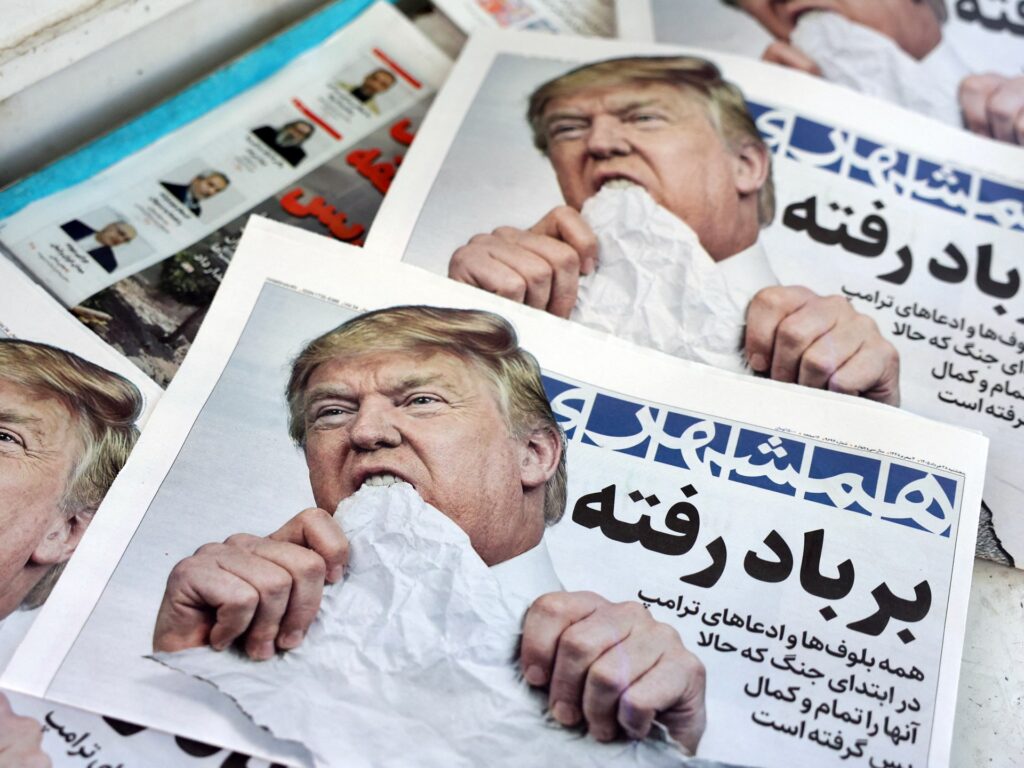
Commercial ships began moving through the Strait of Hormuz after the U.S. and Iran signed a memorandum to extend a ceasefire and begin new talks. The agreement faces early tests over Iran’s nuclear program and Israel’s continued military presence in southern Lebanon.
Posts tagged as “Golden Age of the Middle East”
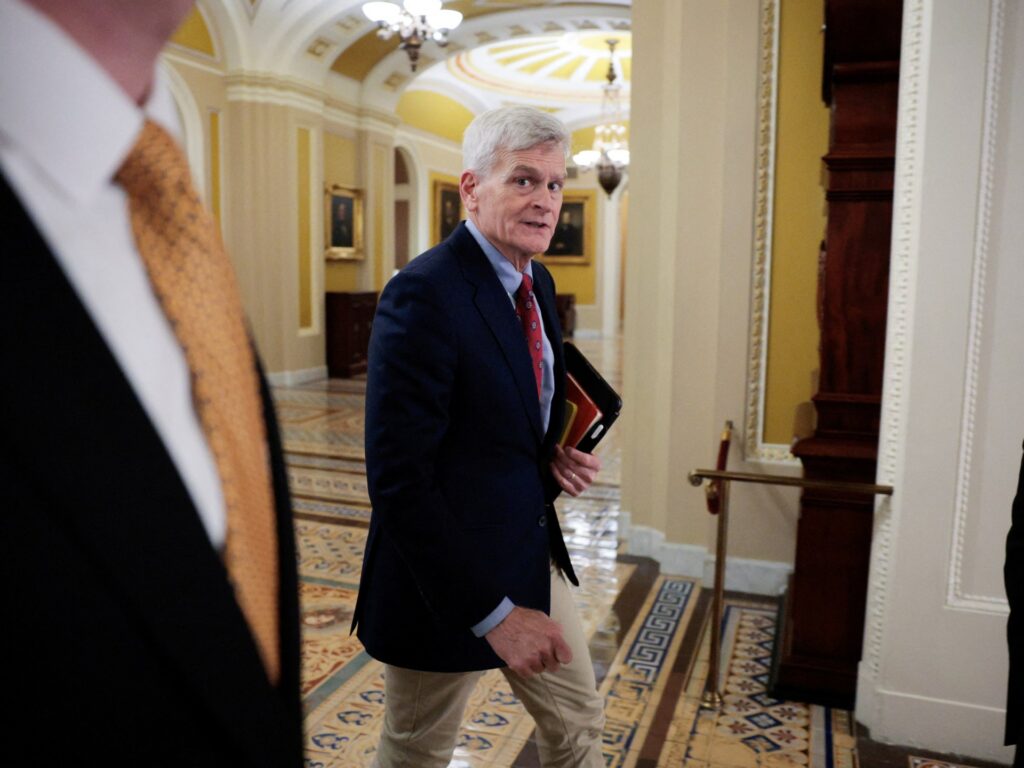
President Donald Trump’s interim agreement with Iran has drawn criticism from several Republicans over a planned $300bn reconstruction fund and concerns about Tehran’s nuclear programme. The 14-point memorandum commits both sides to end military operations and gives them 60 days to negotiate a final deal.
Trump and Iranian President Masoud Pezeshkian signed a 60-day initial agreement to halt the war, reopen the Strait of Hormuz and begin talks on Iran’s nuclear program. The deal drew praise from G7 leaders and sharp criticism from U.S. lawmakers and Iranian hardliners.
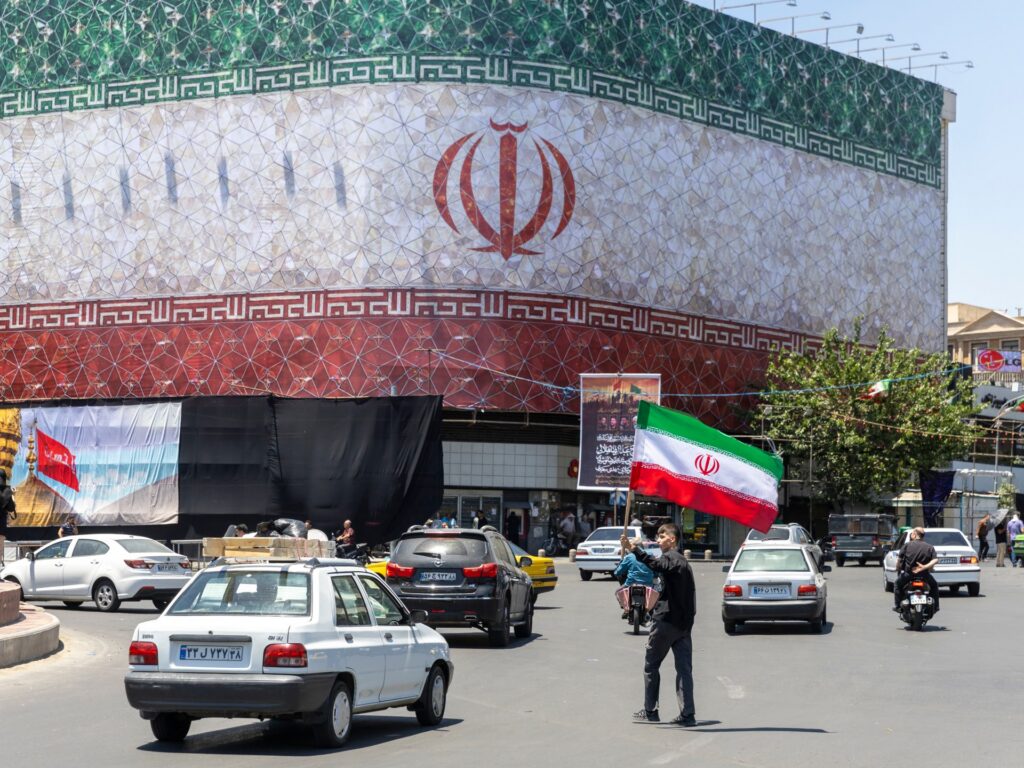
The United States and Iran have electronically signed a memorandum intended to halt the war and launch 60 days of talks toward a final agreement. The document includes sanctions relief, nuclear commitments, Strait of Hormuz provisions and a proposed $300 billion reconstruction plan for Iran.
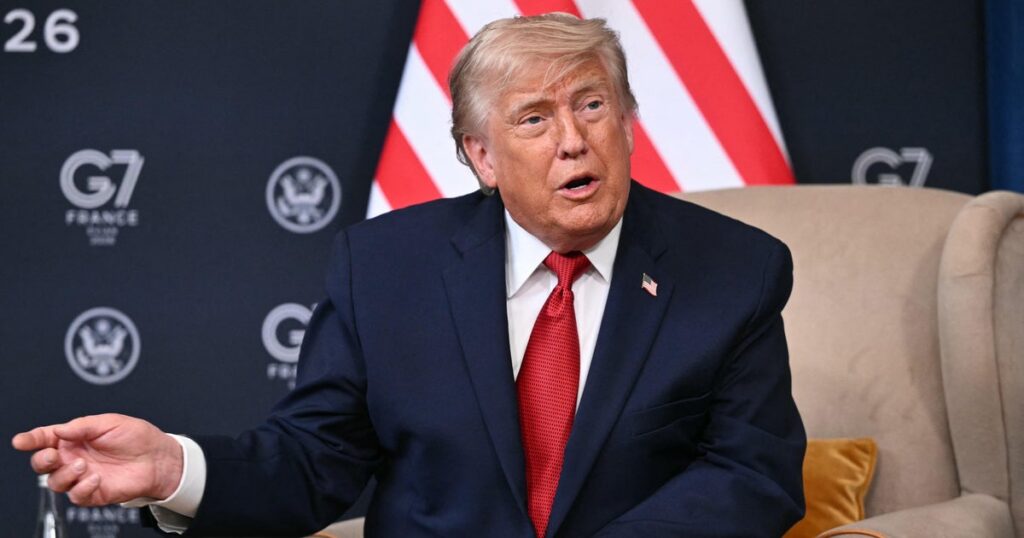
Trump said the U.S.-Iran memorandum is not a final deal and warned bombing could resume if a broader agreement is not reached. The 14-point framework calls for a ceasefire, reopening the Strait of Hormuz, nuclear limits, sanctions relief and further talks within 60 days.
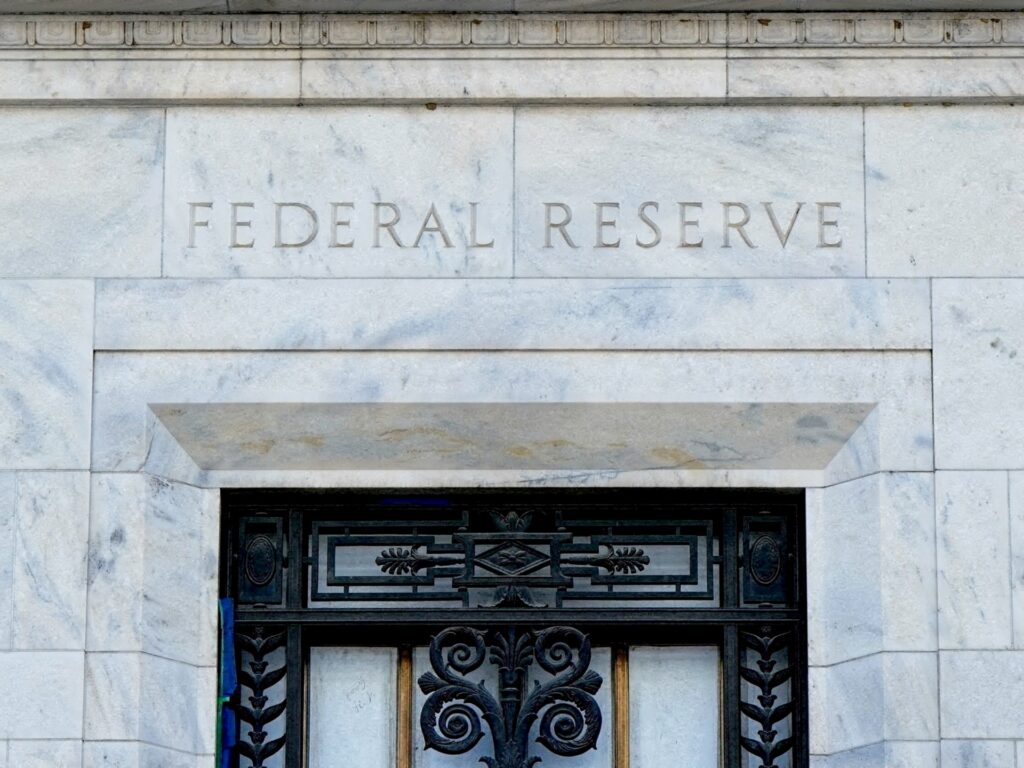
The Federal Reserve unanimously held interest rates at 3.5% to 3.75% in Kevin Warsh’s first meeting as chair. New projections showed inflation expectations rising and nearly half of policymakers open to a rate hike later this year.
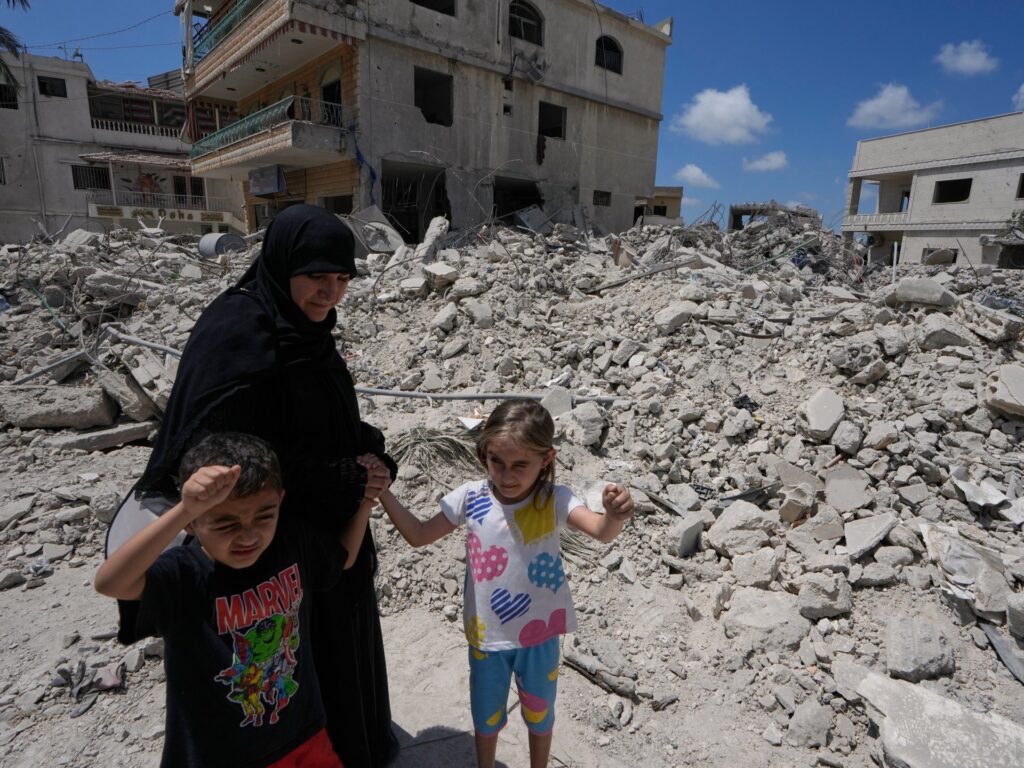
Deadly Israeli strikes in southern Lebanon have tested a fragile ceasefire understanding between the United States and Iran. Displaced families are returning to devastated towns, but Israeli occupation, Hezbollah’s weapons and reconstruction remain unresolved.
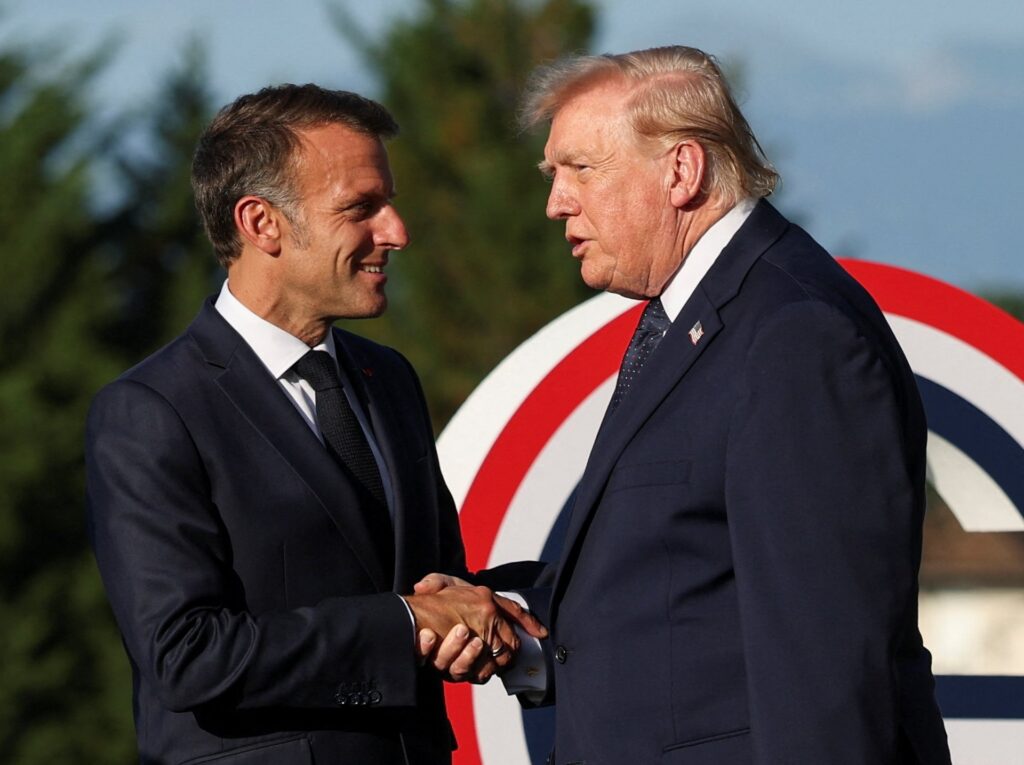
G7 leaders meeting in France are focusing on a preliminary U.S.-Iran agreement and renewed efforts to end Russia’s war in Ukraine. Zelenskyy joined the summit as European leaders sought to keep pressure on Moscow and reopen the Strait of Hormuz.