Key takeaways:
- Israeli drone strikes killed at least four people in Nabatieh governorate on Tuesday, Lebanon’s National News Agency reported.
- Iran and Pakistan say the U.S.-Iran ceasefire understanding includes Lebanon, though the agreement has not been made public.
- Lebanon’s health ministry says more than 3,800 people have been killed in the war, while about one million people remain displaced.
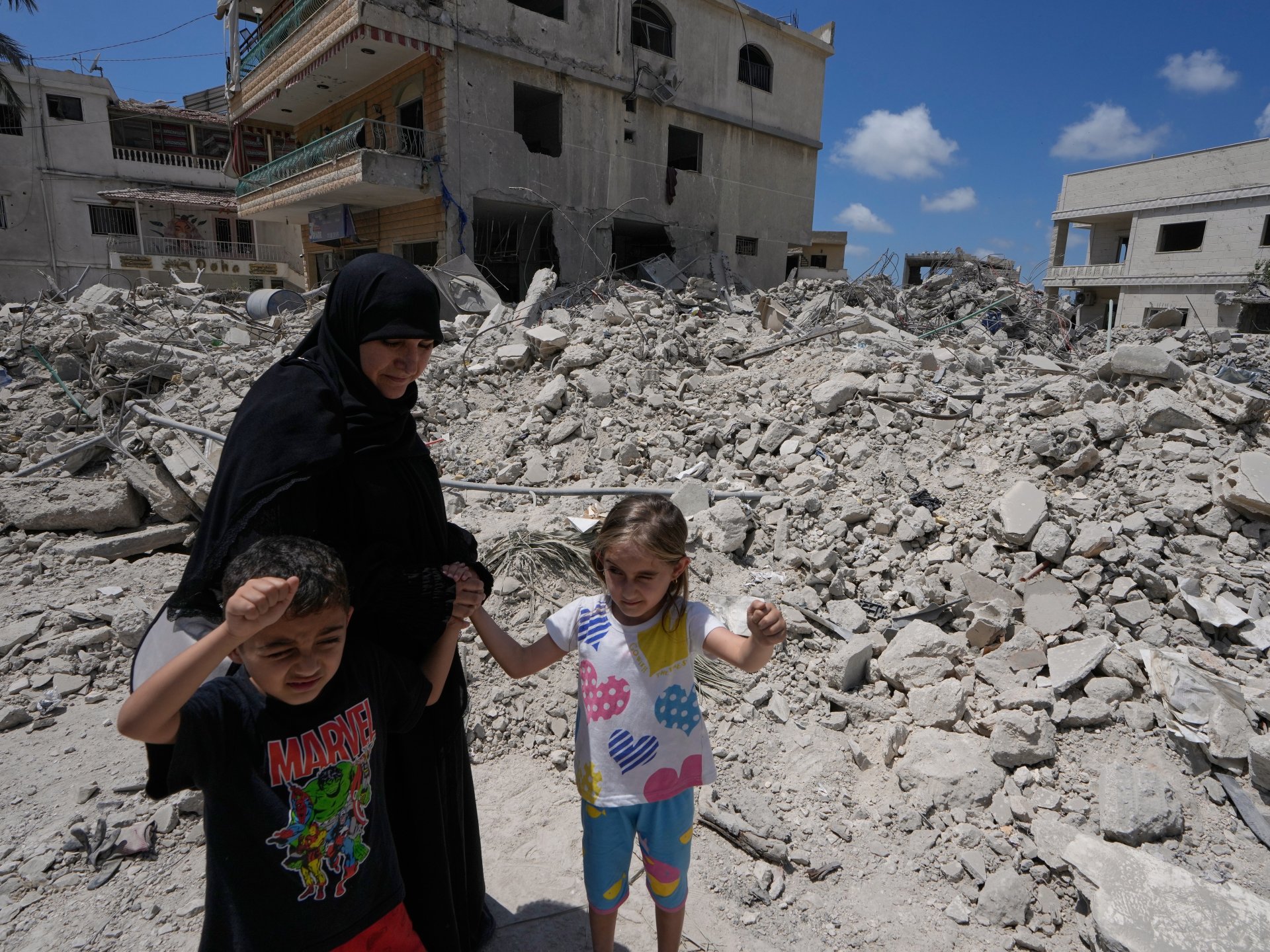
Families displaced by months of war began returning to towns in southern Lebanon this week, even as Israeli strikes killed at least four people and raised new doubts over whether a U.S.-Iran ceasefire understanding will end the fighting between Israel and Hezbollah.
The quiet in Lebanon remains fragile. Hours after the ceasefire agreement between Washington and Tehran was announced Monday, residents headed back toward damaged communities in the south despite official warnings that it was not yet safe. In one widely shared video, people arriving by car in a village found an Israeli armored vehicle blocking a street.
On Tuesday, multiple Israeli drone strikes targeted vehicles in Nabatieh governorate, Lebanon’s National News Agency reported. Two vehicles were hit in Mayfadoun and a third in Shoukin, killing at least four people, according to the agency.
The U.S.-Iran agreement has not been made public, leaving uncertainty over how it applies to Lebanon. Iran and Pakistan, which has acted as a mediator, said the deal included a ceasefire in Lebanon. Pakistan’s prime minister said Monday that the agreement envisaged an immediate halt to military operations “on all fronts, including Lebanon.”
Iranian Foreign Minister Abbas Araghchi said Tuesday that Israel’s continued occupation of southern Lebanon would violate the deal. “Without the withdrawal of Israeli forces from the territories they occupied during this war, the war has not fully come to an end,” he said. Iran’s Khatam al-Anbiya Central Headquarters warned that Israel should expect a hard response from Iranian armed forces if attacks on southern Lebanon continued.
Israel has argued that its conflict with Hezbollah is separate from the war involving Iran and should continue. After the U.S.-Iran deal was announced, Prime Minister Benjamin Netanyahu said Israel would continue to occupy southern Lebanon, while Israeli Defence Minister Israel Katz said Israel would stay indefinitely on land seized there. Israeli authorities say their aim is to create a Hezbollah-free security zone along the border to protect communities in northern Israel from rockets and drones.
For returning Lebanese residents, the ceasefire has brought relief mixed with fear. Abo Ali, displaced from Jebchit in the Nabatieh area, said his family “had returned, but with caution.” Standing among heavily damaged buildings, he added: “All of this can be compensated for, and rebuilt.”
Moustafa, returning to Aadshit near Marjayoun with only a suitcase, said: “For someone who’s used to this area and has lived here, to come back and see this destruction is extremely hard.” He added, “Israel can’t be trusted.”
In Nabatieh, Mohammed Nasser told Al Jazeera: “This is a decades-old conflict with Israel … an enemy that can’t be trusted … and we can never feel safe.” Another resident, Hussein Badreddine, said the Israeli army was trying to occupy positions it once held during its occupation of southern Lebanon in the 1990s, “but the resistance is preventing them from doing so.”
The latest round of conflict between Israel and Hezbollah began in March, when Hezbollah fired rockets into Israel in retaliation for the killing of Iran’s supreme leader, Ayatollah Ali Khamenei, at the start of the U.S.-Israel war against Iran. Israel responded with a major bombing campaign across Lebanon and another invasion of the south.
Lebanon’s health ministry says more than 3,800 people have been killed in the war, including many women and children; its figures do not distinguish between civilians and combatants. Al Jazeera reported that since fighting resumed on March 2, at least 3,826 people have been killed and 11,851 wounded by Israeli attacks in Lebanon. The Israeli military says it has killed more than 2,500 Hezbollah operatives. Israeli authorities say 30 Israeli soldiers and four civilians have been killed on both sides of the border.
About one million people remain displaced across Lebanon, most of them Shia Muslims. Around 5% of Lebanon’s territory is under Israeli occupation, and dozens of villages have been destroyed. It remains unclear when reconstruction will begin or who will pay for it.
The future of Hezbollah’s weapons also remains unresolved. Hezbollah has rejected discussions on its arsenal, while Lebanese authorities say disarmament can only happen through diplomacy. Two previous ceasefire announcements failed to stop the war, and a deal that ended the last Israel-Hezbollah conflict in 2024 did not prevent near-daily Israeli attacks on targets it described as linked to Hezbollah.



Be First to Comment