U.S. and Iranian negotiators held indirect talks in Doha with Qatari and Pakistani mediators and agreed to meet again after funeral processions for Iran’s former supreme leader. Disputes over the Strait of Hormuz, frozen Iranian funds, Lebanon and nuclear access remain unresolved.
Posts tagged as “Ayatollah Ali Khamenei”

Planned US-Iran talks in Switzerland were postponed after Vice President JD Vance delayed his trip, while Israeli strikes in southern Lebanon complicated efforts to implement a new ceasefire agreement. Switzerland said preparations would continue, but no new date was announced.
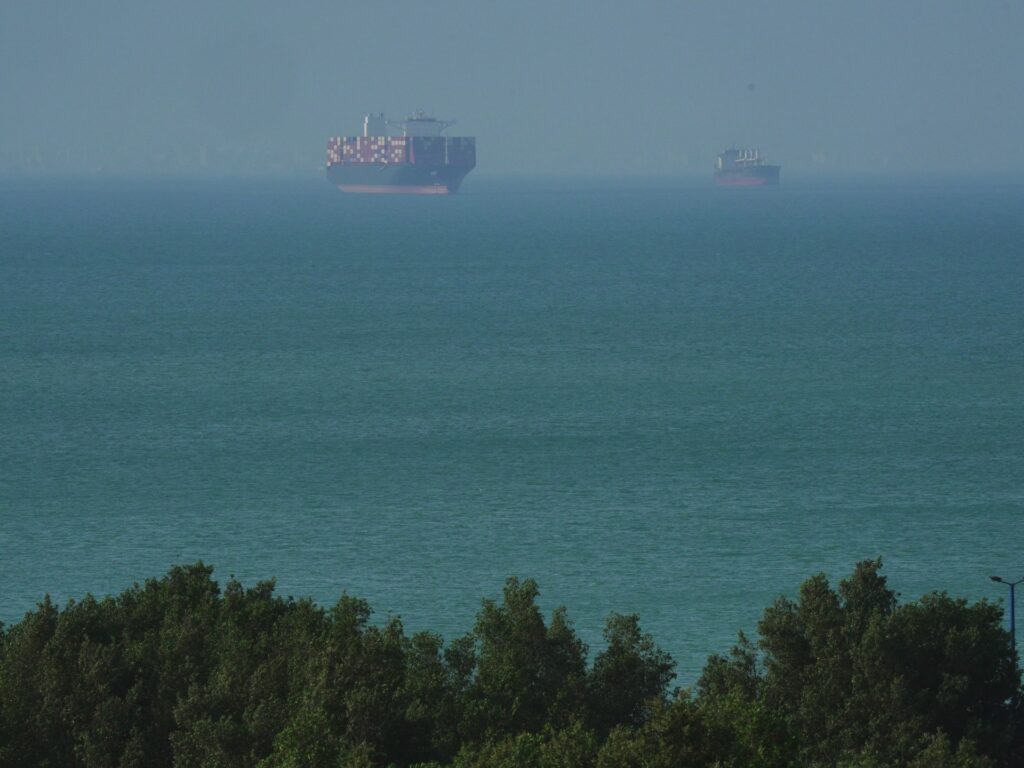
The US military says it has ended its naval blockade of Iranian ports under a ceasefire agreement with Tehran. Iran’s supreme leader criticized Trump’s role in the deal while allowing negotiations to continue.
Trump and Iranian President Masoud Pezeshkian signed a 60-day initial agreement to halt the war, reopen the Strait of Hormuz and begin talks on Iran’s nuclear program. The deal drew praise from G7 leaders and sharp criticism from U.S. lawmakers and Iranian hardliners.
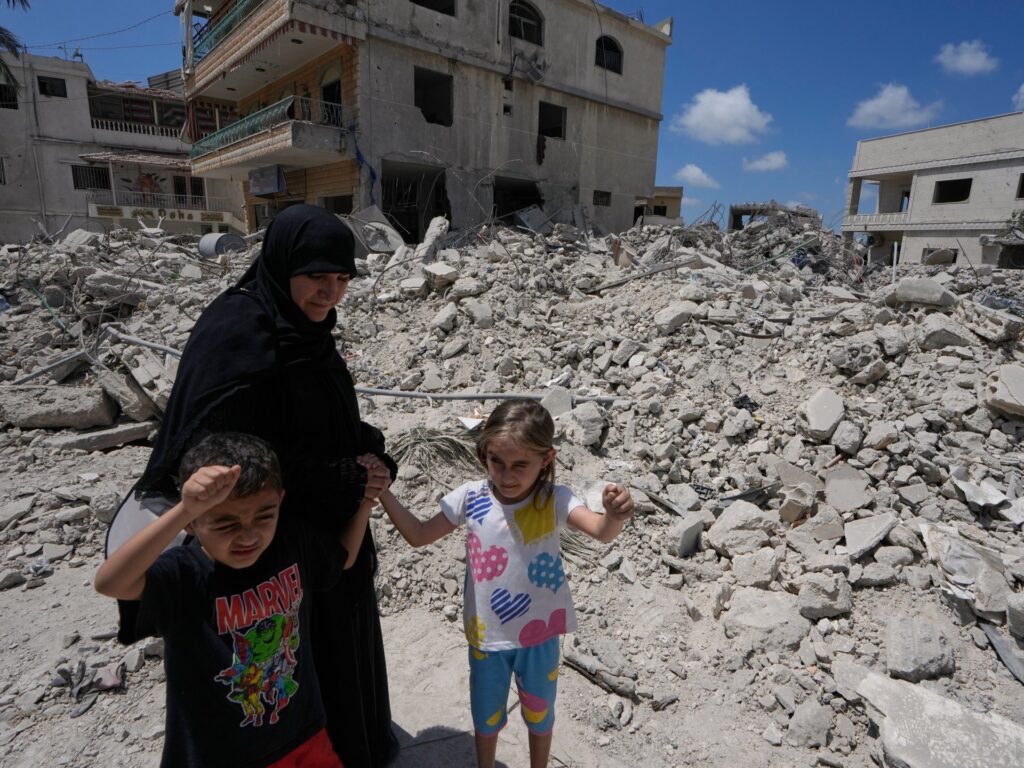
Deadly Israeli strikes in southern Lebanon have tested a fragile ceasefire understanding between the United States and Iran. Displaced families are returning to devastated towns, but Israeli occupation, Hezbollah’s weapons and reconstruction remain unresolved.
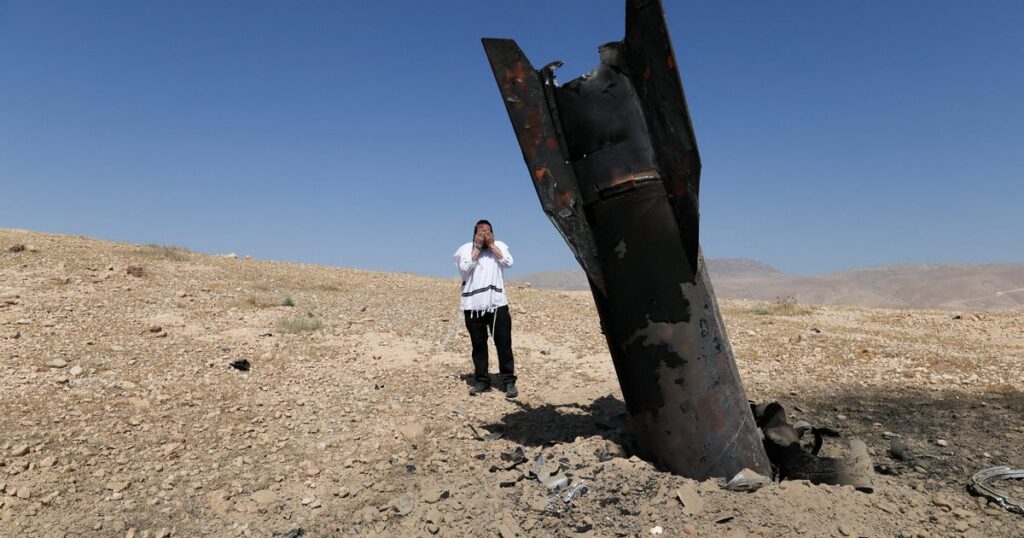
Iran and Israel said they halted attacks after President Trump urged both sides to stop firing amid a fragile truce. Both governments warned they would respond forcefully if the other side resumed strikes.
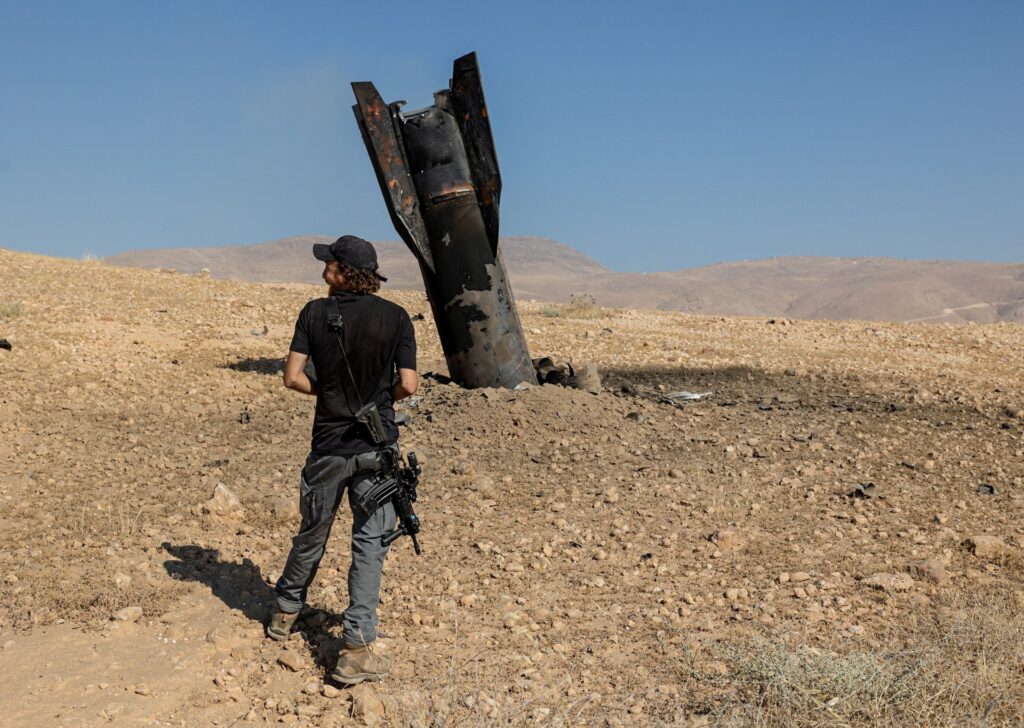
Israel and Iran exchanged strikes early Monday in the most serious crossfire since an April ceasefire, while Yemen’s Houthis fired toward Israel and renewed threats against Red Sea shipping. U.S. President Donald Trump reportedly urged Benjamin Netanyahu not to retaliate immediately.