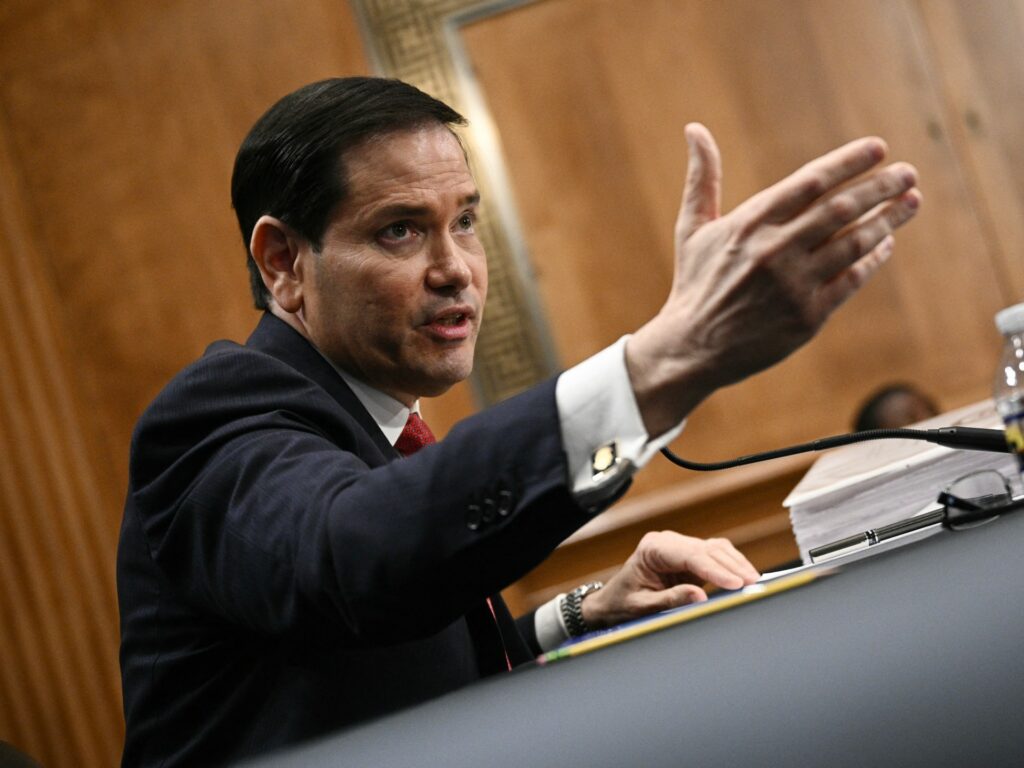
Secretary of State Marco Rubio said Iran may now discuss previously off-limits parts of its nuclear program, but Tehran has warned that Israeli attacks in Lebanon could halt talks. Rubio said reopening the Strait of Hormuz is a precondition for further negotiations, not a basis for sanctions relief.
Posts tagged as “Ayatollah Ali Khamenei”
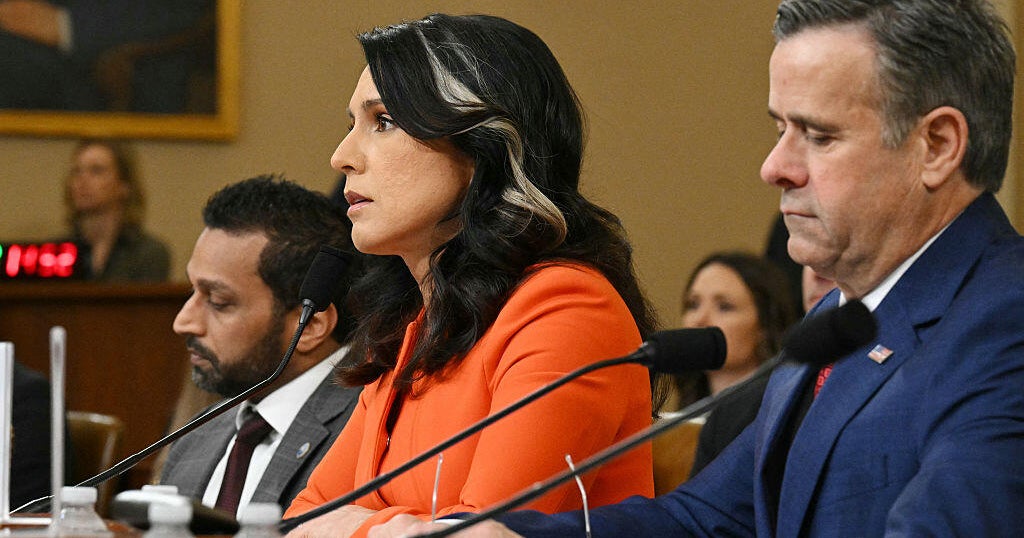
Top U.S. intelligence officials, including Director of National Intelligence Tulsi Gabbard, testified before the Senate Intelligence Committee amid heightened tensions following the U.S. military campaign against Iran, which was justified by the Trump administration as a response to an imminent threat despite intelligence reports indicating Iran was not actively pursuing nuclear weapons. The hearing occurred shortly after the resignation of Joe Kent, head of the National Counterterrorism Center, who criticized the administration’s rationale for war, while lawmakers remain divided over calls for greater transparency and public hearings on the conflict. As the debate over oversight continues, Democratic lawmakers push for more disclosure, whereas many Republicans argue that classified briefings suffice to protect national security.
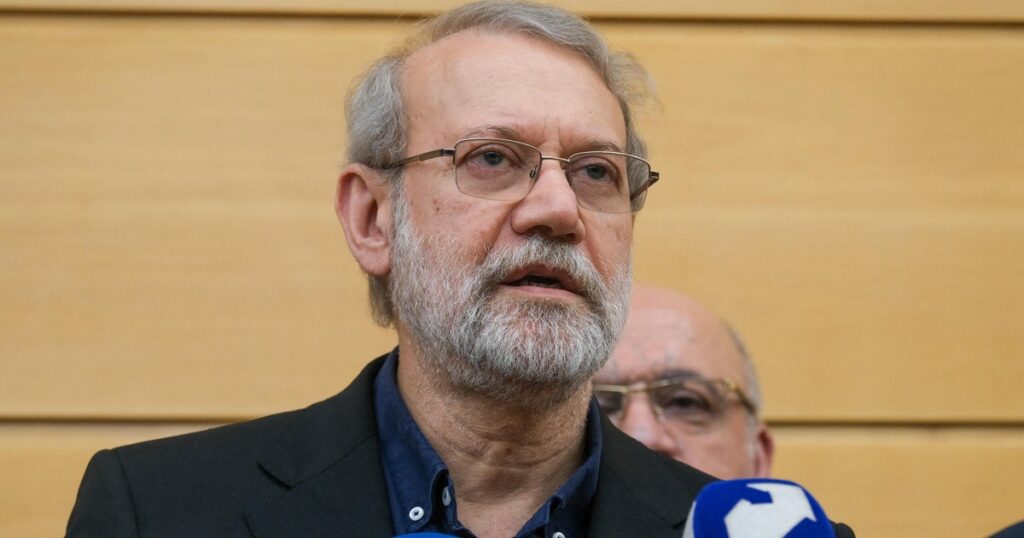
Israel announced the killing of Ali Larijani, a top Iranian security official and former head of Iran's Supreme National Security Council, along with several associates in overnight airstrikes, marking a significant escalation in the conflict with Iran. Larijani’s death removes a key insider known for balancing military action with negotiation, potentially hardening Iran’s stance, while Israel also targeted General Gholam Reza Soleimani, accused of repressing protesters. These assassinations have heightened regional tensions, disrupted global oil markets, and may entrench hardline factions in Iran, reducing prospects for a political resolution.
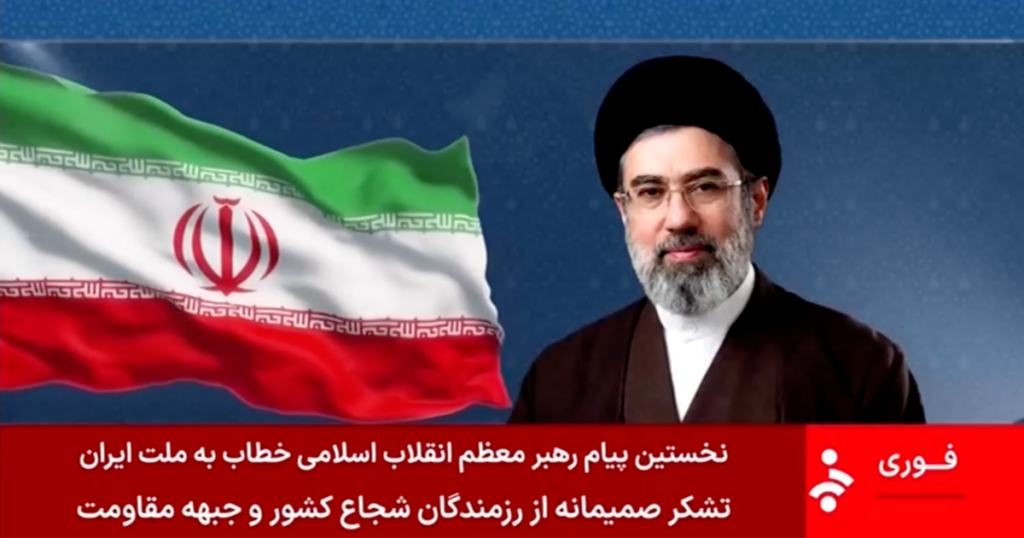
Iran’s newly appointed Supreme Leader, Ayatollah Mojtaba Khamenei, issued his first public statement reaffirming the blockade of the Strait of Hormuz and threatening attacks on neighboring countries hosting U.S. military bases. His statement was delivered without a direct appearance, fueling speculation about his health after being injured in recent U.S.-Israeli strikes, and signaling a hardline stance with continued support for proxy groups across the Middle East. Khamenei vowed revenge for Iranian casualties in the strikes and emphasized Iran’s commitment to disrupting global oil transit while expressing a desire for constructive regional relations.
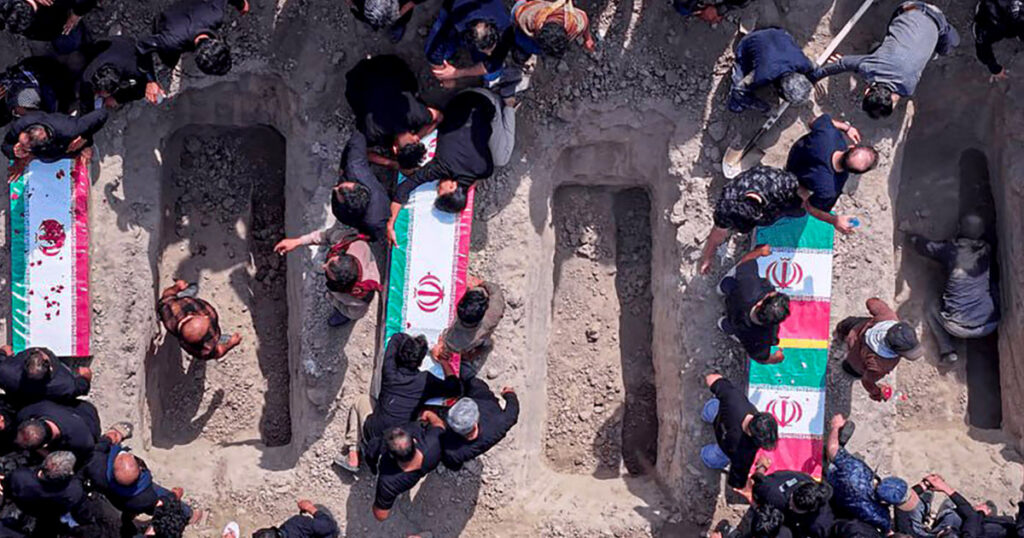
An internal U.S. military investigation preliminarily found that outdated intelligence led to a missile strike on an elementary school in Iran, killing over 170 civilians, mostly children, during a coordinated U.S.-Israeli operation. The strike mistakenly targeted the school, which had been inaccurately identified as a military site based on old intelligence, with evidence pointing to an American Tomahawk missile. Meanwhile, Iran retaliated with attacks killing six U.S. Army Reserve soldiers in Kuwait, escalating the ongoing conflict that the U.S. administration expects to continue for several weeks.
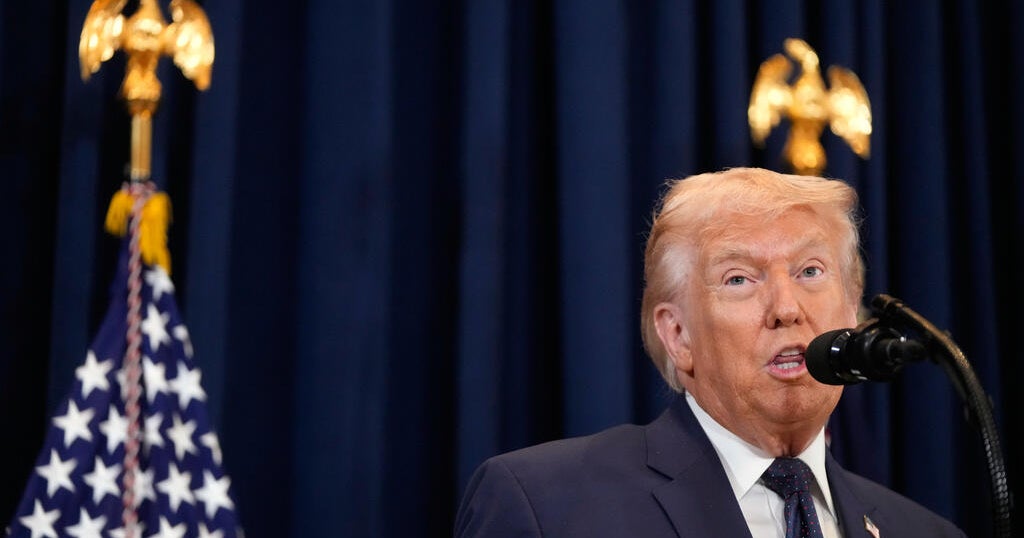
President Trump expressed optimism about the U.S. military's progress in Iran, claiming significant advances while acknowledging some targets remain and anticipating a swift end to the conflict. He criticized the appointment of Mojtaba Khamenei as Iran’s new leader but preferred internal political change over direct U.S. intervention, citing past destabilization in Iraq and referencing Venezuela as a model. Trump also addressed a recent deadly bombing in Iran likely caused unintentionally by U.S. forces, warned Iran against disrupting oil shipments through the Strait of Hormuz, and noted that American casualties have reinforced calls to "finish the job."
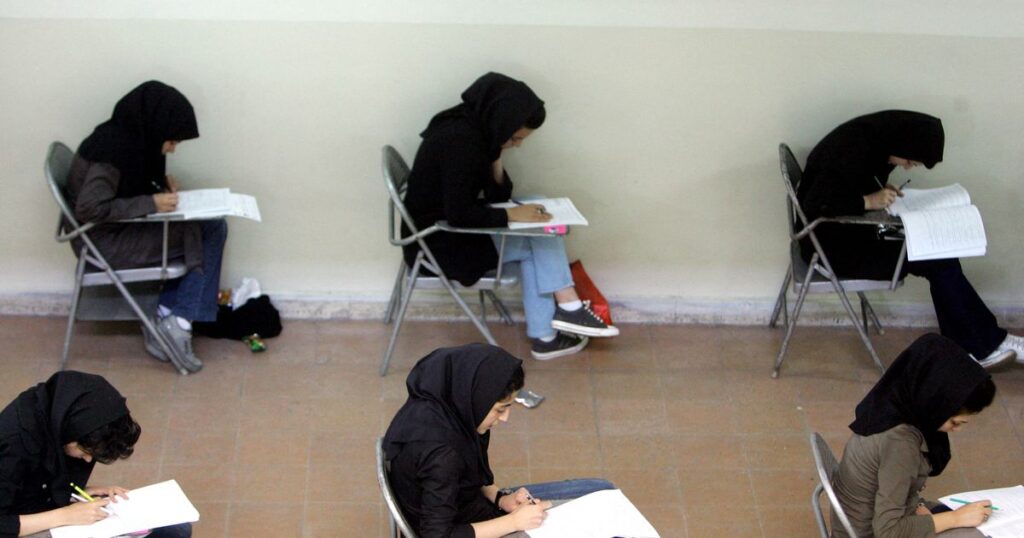
This article discusses the mysterious poisonings of over 50 schools in Iran, which have sickened hundreds of children. Iranian Supreme Leader Ayatollah Ali Khamenei has spoken out on the issue, stating that if the poisonings are proven to be deliberate, the culprits should be sentenced to death. The crisis comes as Iran has jailed more than 140 political activists, journalists, and university lecturers since the disputed election.
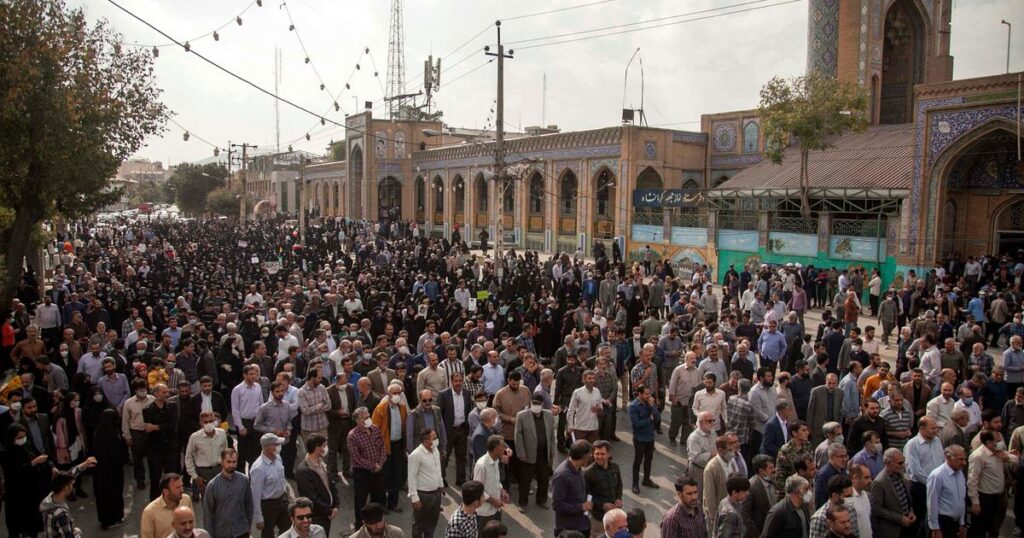
Ayatollah Ali Khamenei, Iran's supreme leader, has issued a decree offering amnesty or reduced sentences to "tens of thousands" of people detained during the recent anti-government protests. This is the first acknowledgement of the scale of the crackdown, and it is unclear how many of the detainees will be eligible for amnesty. The protests began in November and have been met with a harsh response from security forces, leading to reports of deaths and thousands of arrests. The amnesty order is seen as a possible attempt to reduce public anger, but its impact on the protests remains to be seen.