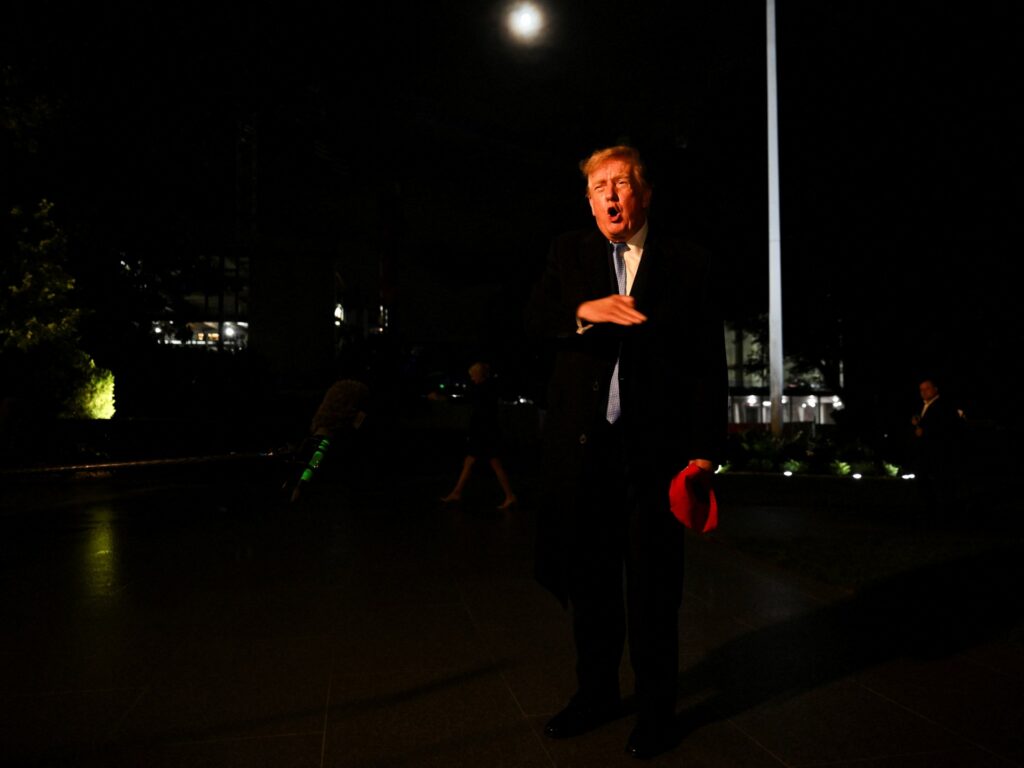
Trump announced plans for a roughly $15 billion steel plant in eastern Iowa that Mesabi Metallics intends to build, with production expected to begin in 2030. The announcement came ahead of a competitive Senate race in the state.
Posts published in “Politics”
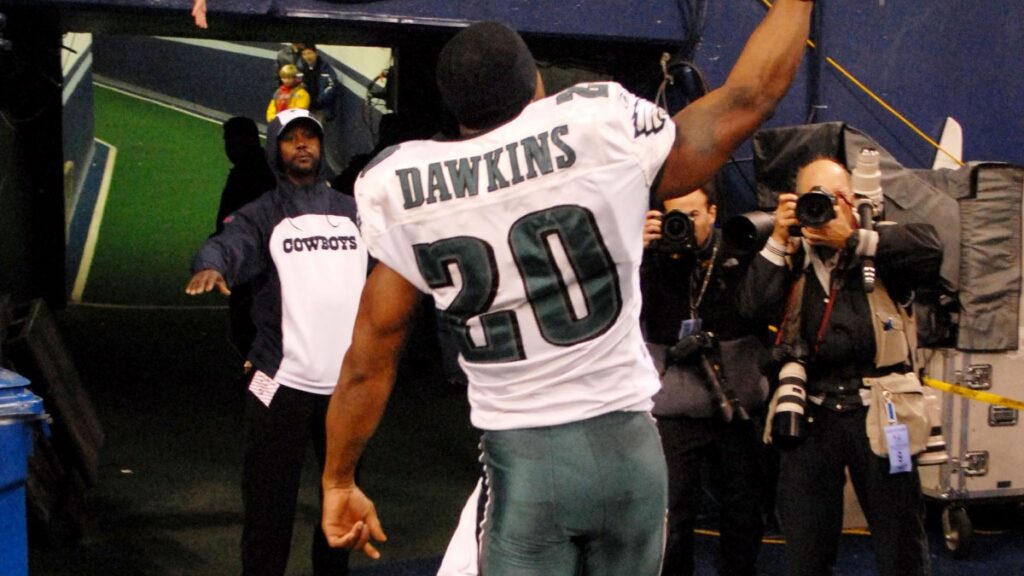
The NFL has asked Homeland Security to remove a video using footage of Brian Dawkins’s tackles. Dawkins said he did not give the agency permission to use his image.
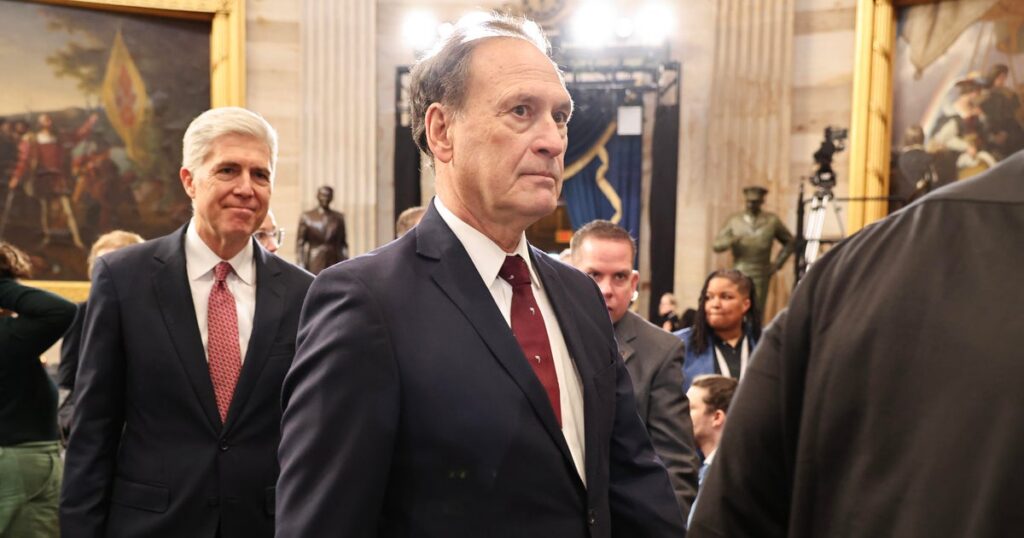
Justice Samuel Alito will sit out a Supreme Court case over Boulder’s climate lawsuit against Exxon Mobil and Suncor Energy. The court gave no reason for his decision, which follows calls for recusal over his energy-company stock holdings.
Trump says he is seriously considering a U.S. diesel export ban as prices hover near a record. Analysts say it could bring brief relief for diesel buyers but raise gasoline prices and disrupt overseas markets if it lasts.
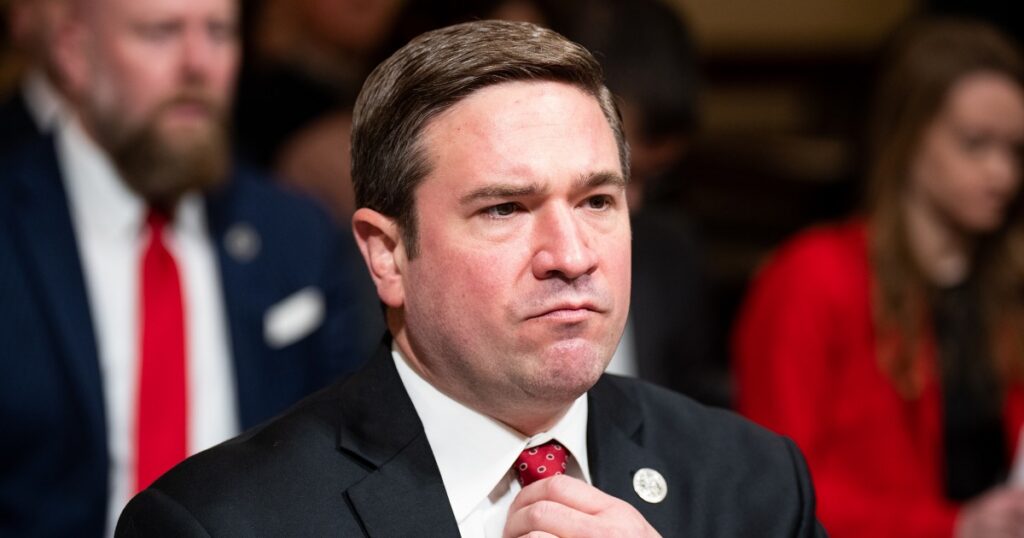
Andrew Bailey says he is leaving his post as FBI co-deputy director to return to his family in Missouri. His resignation follows a year in a newly created role and reports of a strained relationship with FBI Director Kash Patel.
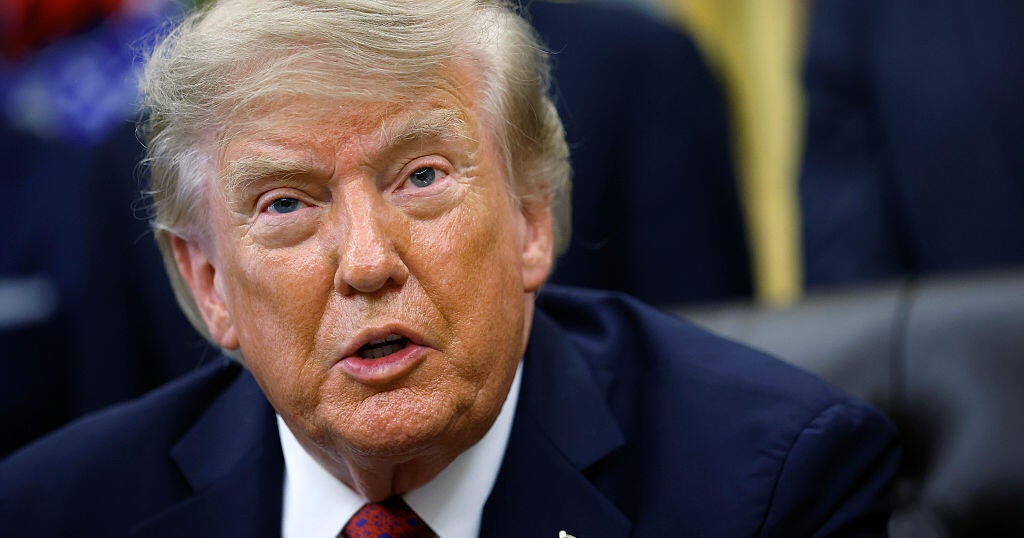
Trump is set to announce a $15 billion steel plant in Iowa that is expected to begin production in 2030 and create up to 1,750 permanent jobs. CBS News and NBC News reported different projections for its annual steel output.
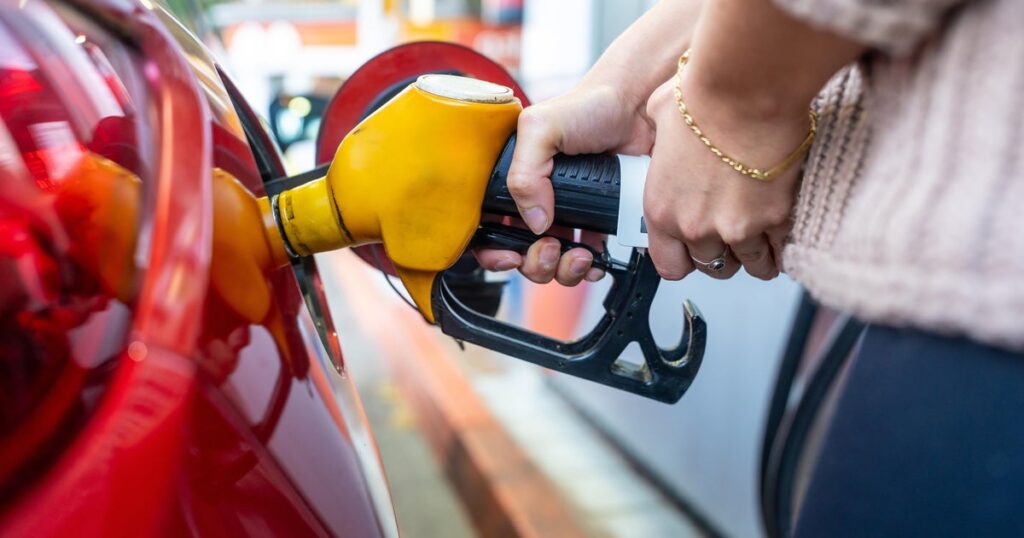
The Trump administration has lowered fuel economy targets for new vehicles, projecting a fleetwide average of 34.9 miles per gallon in 2031 instead of 50.4 under Biden-era rules. Officials cite lower vehicle prices; critics warn of higher fuel costs and pollution.
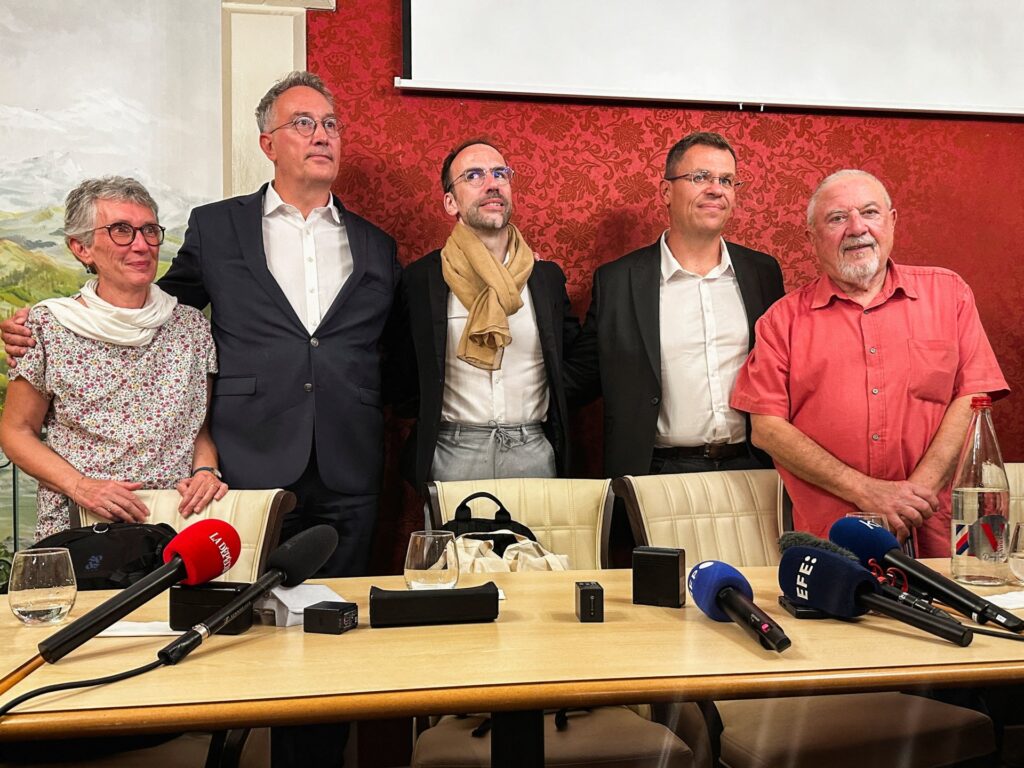
Pope Leo XIV urged French bishops to remain vigilant against sexual abuse and met seven survivors in Lourdes. The survivors welcomed his attention but called for action.