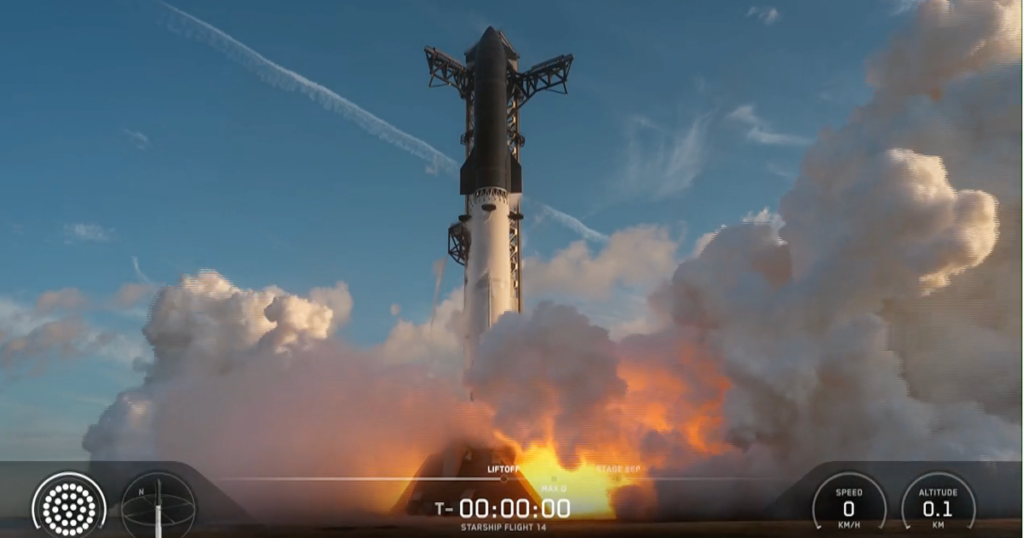
SpaceX put Starship into orbit for the first time after an engine shut down during ascent. The uncrewed test also included a booster splashdown and deployment of new Starlink satellites.
Posts published in “Science”
A nor’easter has uncovered wooden ship remains on Nantucket that may belong to the Warren Sawyer, a schooner wrecked in 1884. A museum official says more investigation is needed to confirm their origin.

A University of Chicago Climate Impact Lab report projects about 451,000 additional heat-related deaths during the current El Niño compared with a typical year. The highest risks are forecast in poorer countries, including parts of Africa’s Sahel, South Asia, Southeast Asia and Brazil.
Katmai National Park’s Fat Bear Week returns with an expanded 16-bear bracket and a record-setting number of cubs seen along Brooks River. Voting runs Sept. 22-29 as viewers choose the brown bear that best bulked up for hibernation.
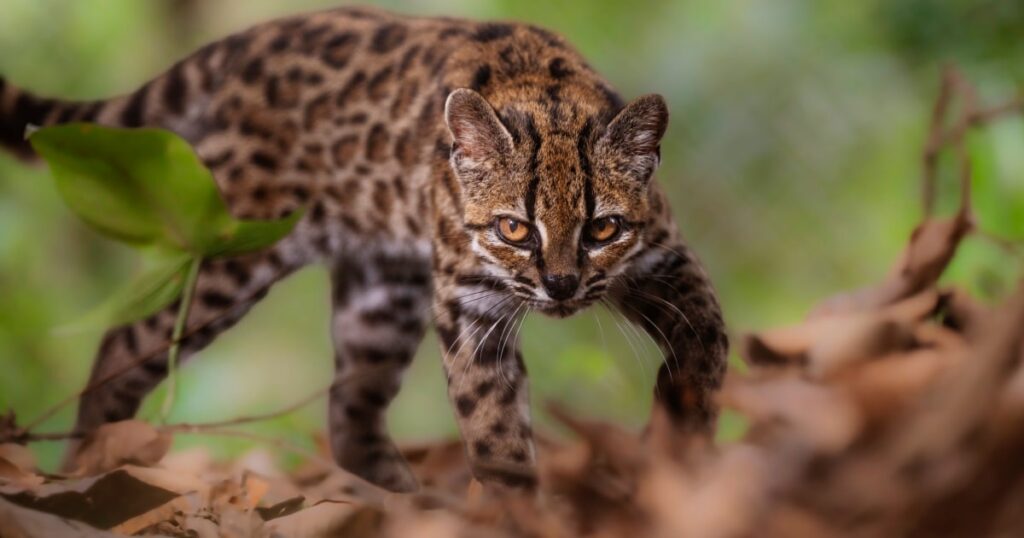
Researchers have described Leopardus tilcayo, a small spotted wild cat from Bolivia’s Yungas cloud forests, as a new species. Scientists say its population is unknown and its habitat faces mounting threats.

Nepal plans to use a World Weather Attribution study linking climate change to last month’s deadly Himalayan floods as the basis for a claim to a UN loss-and-damage fund. The disaster has killed more than 1,400 people across Nepal and Tibet and left thousands missing.

Microsoft AI chief Mustafa Suleyman warned that training AI systems to appear conscious or entitled to rights could make them harder to control. He singled out Anthropic’s Claude model while calling for more transparency, scrutiny and stronger safeguards around advanced AI.
Stanford scientists integrated lab-grown human brain cells into genetically engineered mice, creating a model they say could help study human neurological disorders. Outside experts said the work is technically impressive but raises new ethical questions about animal cognition and future experiments.