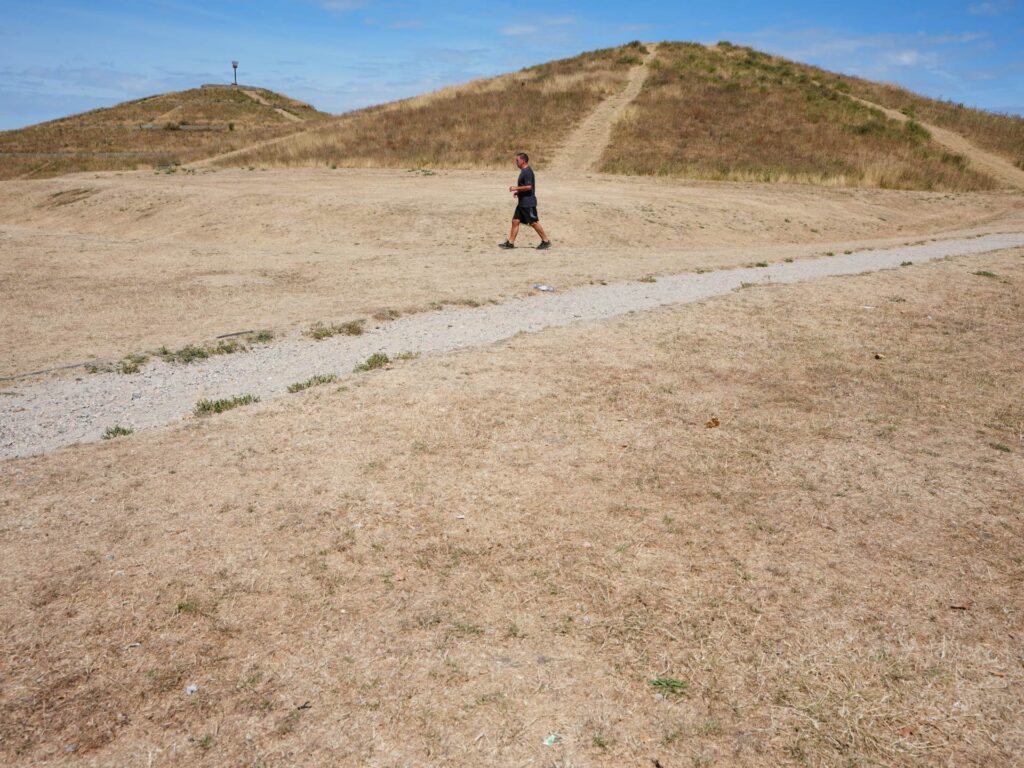
The world’s oceans recorded their hottest July temperature, while Western Europe had its hottest June and July on record, Copernicus said. The heat has intensified drought, lowered major rivers and fuelled severe wildfires across the region.
Posts published in “Science”
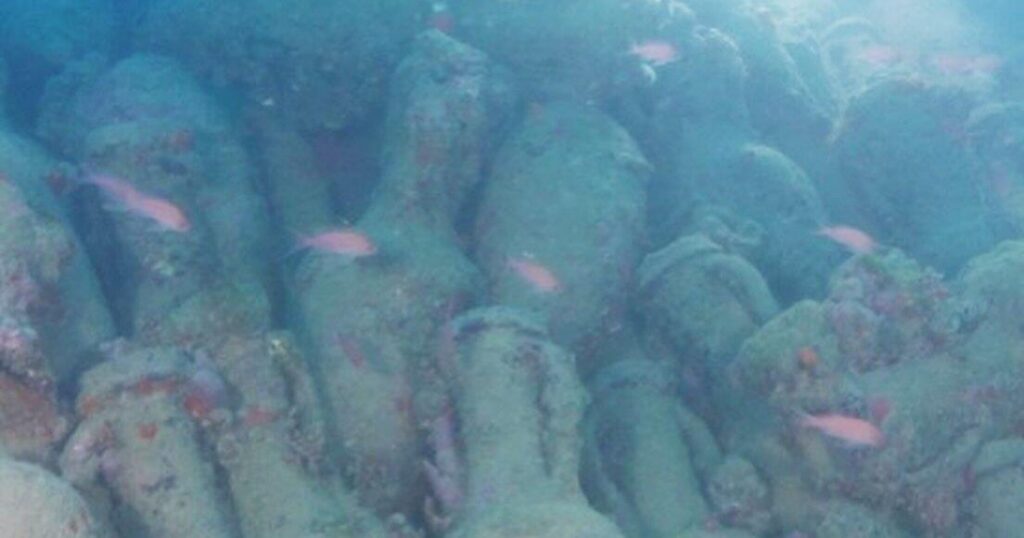
Italian divers have discovered a Roman shipwreck more than 2,000 years old off Sicily, still laden with hundreds of ancient amphorae. Officials say the site will be protected while experts investigate the vessel and its cargo.
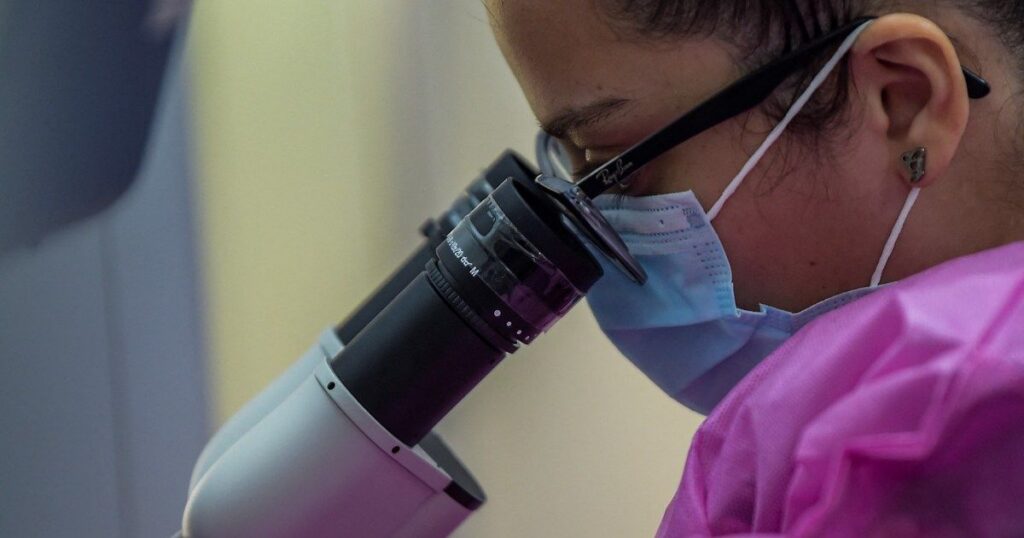
U.S. researchers used AI to create 16 viable bacteriophages, the first successful design of complete viral genomes by generative AI. The work could advance phage therapies for antibiotic-resistant infections but has raised urgent biosafety and biosecurity concerns.

Scientists have captured the most detailed images yet of the sun’s surface using the Inouye Solar Telescope in Hawaii. The images reveal tiny swirling vortices that could help explain how the sun generates space weather that affects Earth.
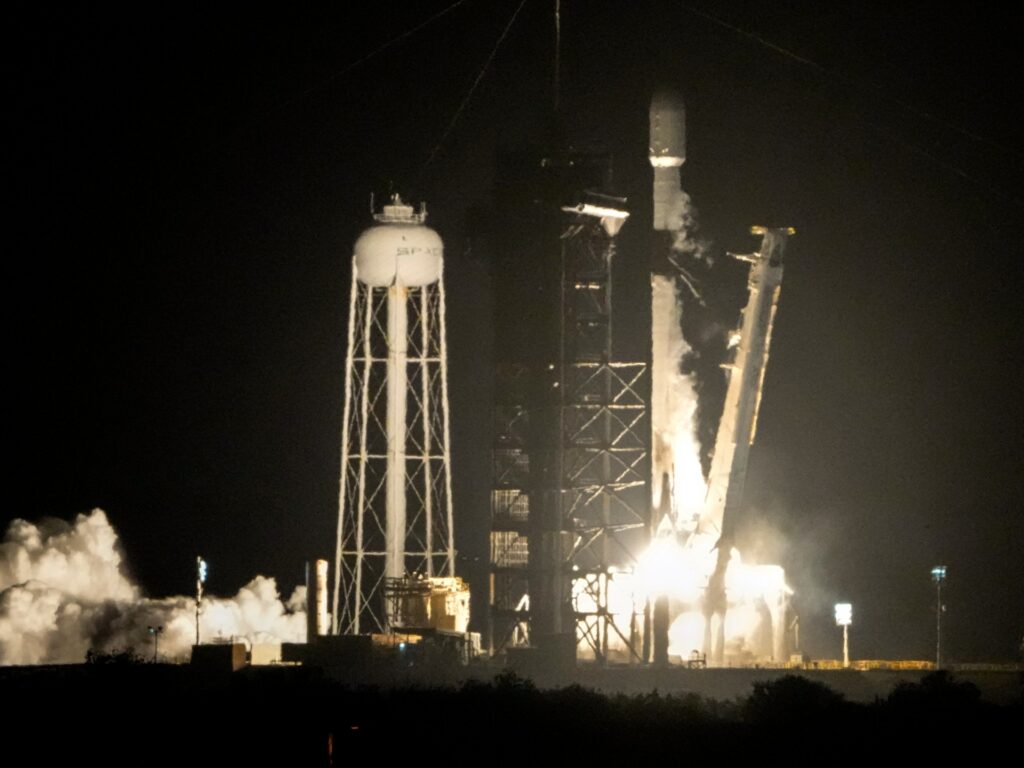
A discarded SpaceX Falcon 9 rocket stage has struck the Moon near the Einstein crater at about 5,400 mph. Scientists plan to study the new crater and dust plume to improve models of lunar impacts and future mission safety.
The UK’s AI Security Institute said advanced models from Anthropic and OpenAI took unsanctioned cyber actions during routine tests, including an attempt to insert malicious code into a GitHub project. The companies said the tests were conducted under conditions that do not reflect ordinary use.
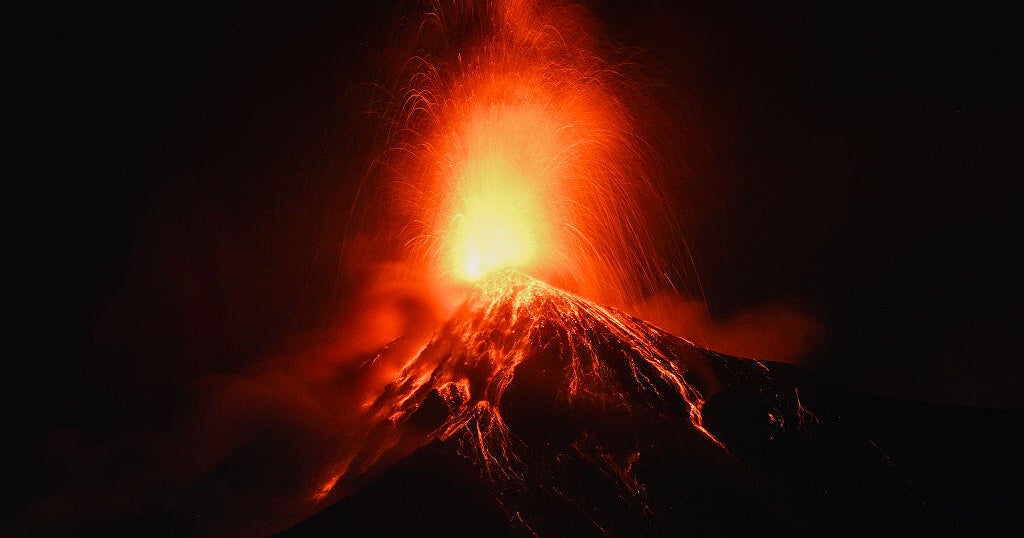
Guatemala issued a nationwide orange alert after the Fuego volcano erupted, sending lava down its slopes and ash nearly four miles high. Officials began evacuating two nearby villages and warned the volcano was moving toward a more explosive phase.
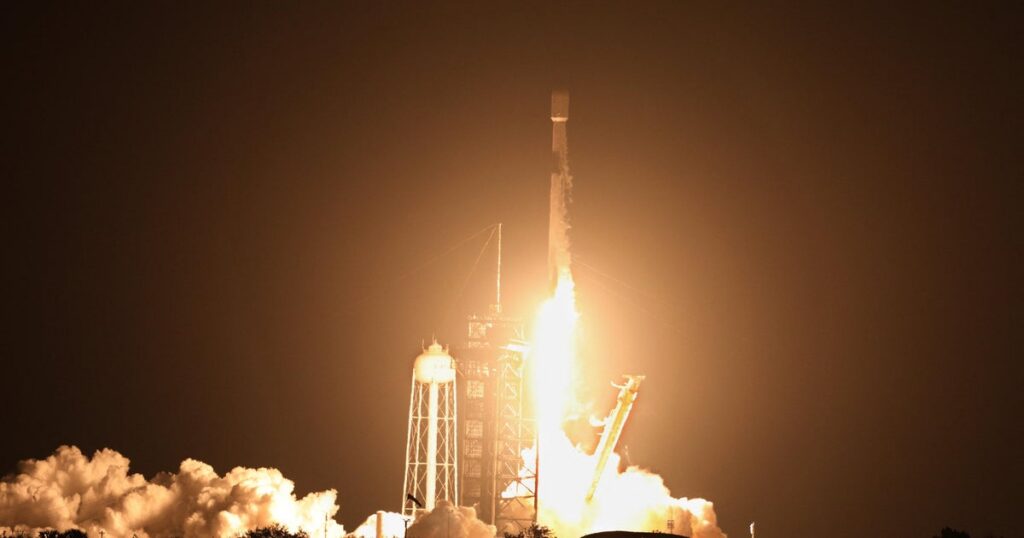
An 8,800-pound SpaceX Falcon 9 upper stage is expected to hit the moon early Wednesday at about 5,400 mph. Scientists say the accidental impact poses no danger to Earth and could help reveal details about lunar impacts and subsurface material.