On April 23, 2025, a 6.2 magnitude earthquake struck off the coast of Turkey near Istanbul, causing significant concern but no immediate reports of damage or injuries. The tremor prompted residents to evacuate buildings and gather in open areas, while Turkey's disaster and emergency management agency advised caution and emphasized staying informed through official channels. The event underscored the region's vulnerability to seismic activity and highlighted the importance of preparedness and resilience in earthquake-prone areas.
Posts published in “Science”
The Environmental Protection Agency (EPA), under Administrator Lee Zeldin, has initiated significant regulatory rollbacks as part of President Trump's agenda to boost American energy production, including revisiting rules on power plants and wastewater regulations. The agency has also undergone a major restructuring, terminating approximately 280 employees, primarily those involved in environmental justice and diversity initiatives, to realign its focus. Despite concerns about potential negative impacts on health and the environment, the administration maintains that these deregulatory actions will not harm public welfare, framing them as a historic shift in reducing regulatory burdens on the energy sector.
The Supreme Court issued an emergency order temporarily halting the Trump administration’s deportation of Venezuelan detainees under the Alien Enemies Act, requiring that those facing removal be given a chance to challenge their deportation in court. This action came after the American Civil Liberties Union filed an appeal arguing that the government was preparing to resume deportations without proper legal procedures. The decision underscores ongoing legal disputes over the use of a centuries-old wartime statute and the administration’s immigration policies, maintaining the detainees’ presence in the U.S. while their cases are reviewed.
Eli Lilly and Co. has reported promising results from its Phase 3 clinical trial of orforglipron, an oral GLP-1 medication designed to aid in diabetes management and weight loss, showing significant reductions in blood sugar levels and weight in individuals with Type 2 diabetes. The trial demonstrated that orforglipron effectively reduced A1C levels, aligning with the performance of existing injectable GLP-1 drugs, and represents a significant innovation by offering a more accessible oral alternative. If approved, orforglipron would become the second oral GLP-1 medication in the U.S., potentially expanding treatment options and providing a convenient alternative to injections for diabetes patients.
Astronomers are actively discussing the potential habitability of the exoplanet K2-18b, located 124 light-years away, following findings by a Cambridge University-led team suggesting it might be an ocean world capable of supporting microbial life. Using data from NASA's James Webb Space Telescope, researchers identified chemical signatures in K2-18b's atmosphere that are typically associated with microbial life on Earth, raising the possibility of a warm ocean on the planet. While the discovery is considered groundbreaking, researchers urge caution and emphasize the need for further investigation, as the scientific community remains divided on the interpretation of the data.
Health Secretary Robert F. Kennedy Jr. announced plans to release studies investigating potential links between environmental toxins and rising autism rates in the U.S., following a CDC report showing increased autism diagnoses. While some health experts attribute the rise to better awareness and surveillance, Kennedy's studies aim to explore environmental factors potentially influencing these trends. Concurrently, Dr. Kevin Hall resigned from the NIH, citing concerns over censorship and questioning the agency's commitment to unbiased research, highlighting ongoing debates about external influences on scientific inquiry.
In a historic achievement for marine biology, a colossal squid was filmed and photographed in its natural habitat for the first time, nearly a century after its discovery, by a team aboard the research vessel Falkor near the South Sandwich Islands. Utilizing a remotely operated vehicle named SuBastian, the team captured footage at a depth of 1,968 feet, providing valuable insights into the behavior and habitat of the world's largest squid species. This event highlights the role of modern technology in exploring the ocean's depths and underscores the importance of international collaboration in advancing marine science.
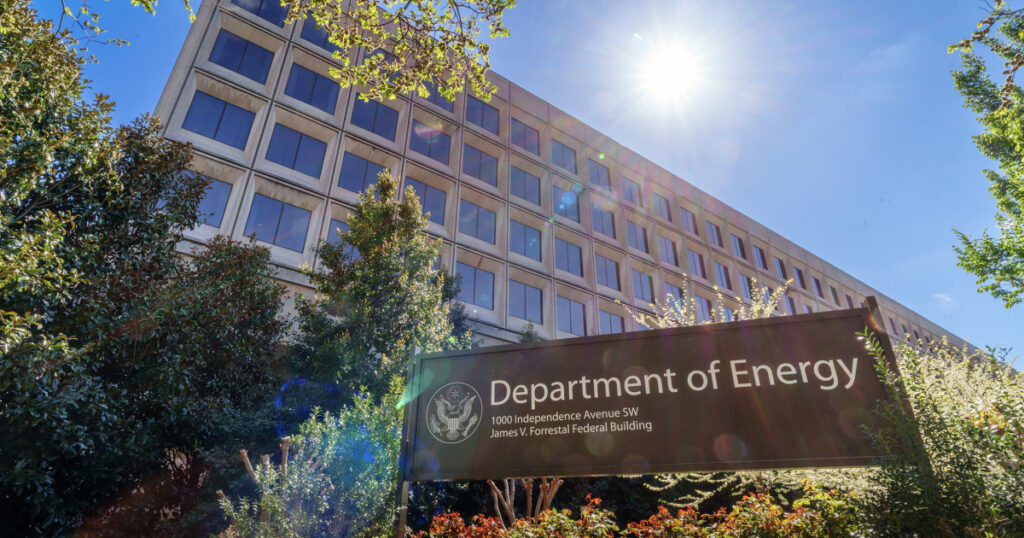
Education groups have filed a lawsuit against the Department of Energy to prevent the implementation of a new policy that would cap "indirect costs" on federal research grants at 15%, arguing that such cuts could harm scientific research at American universities. The plaintiffs express concerns that the funding reductions could negatively impact the United States' leadership in global innovation, particularly in critical areas like nuclear deterrence and energy development. This legal challenge underscores ongoing tensions over research funding allocation and its implications for universities' educational missions and tax-exempt status.