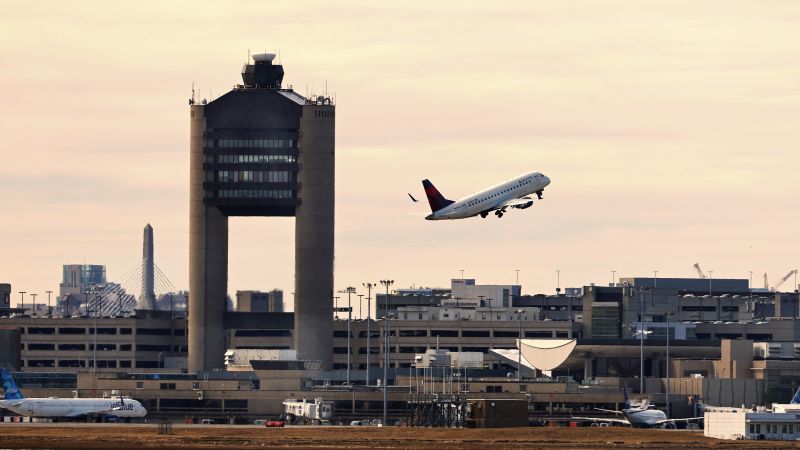
The FAA has announced a new rulemaking process that will require aircraft to have longer duration Cockpit Voice Recorders (CVRs) following a series of near-collisions on US runways. The CVRs will now capture 25 hours of information, instead of the current two hours, in order to prevent future close calls and ensure the safety of passengers and crew. The rulemaking process can take multiple years, and the agency has welcomed intervention from Congress on the matter.
Posts published in “Science”
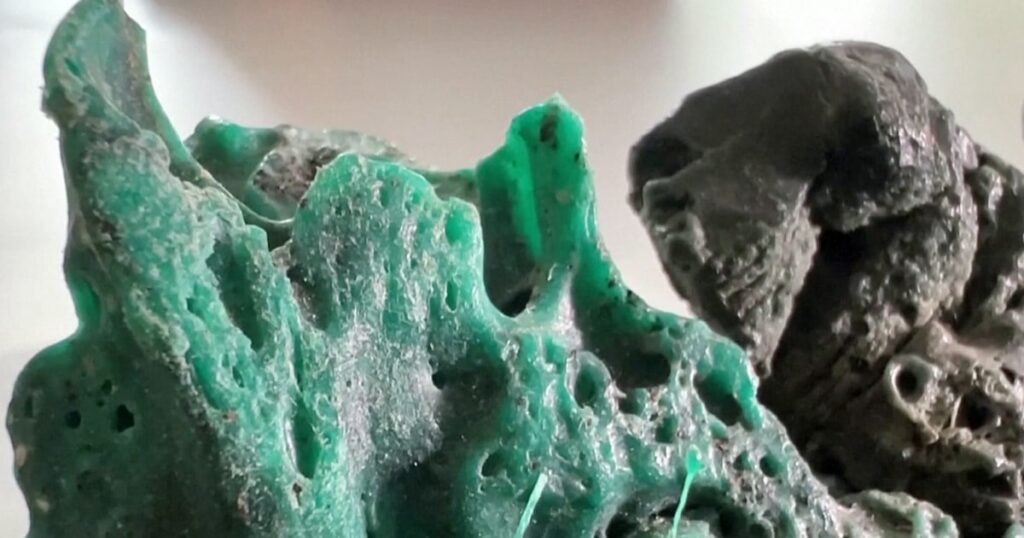
Scientists have discovered a shocking new form of pollution on Brazil's Trindade Island: "plastiglomerates", rocks made from plastic debris. Fernanda Avelar Santos and her team ran chemical tests to find out what kind of plastics are in the rocks, and the results showed a mixture of sedimentary granules and other debris held together. This discovery is a sign of the increasing amount of plastic pollution in the environment, and the researchers are now working to understand the implications and look into ways to reduce plastic pollution.
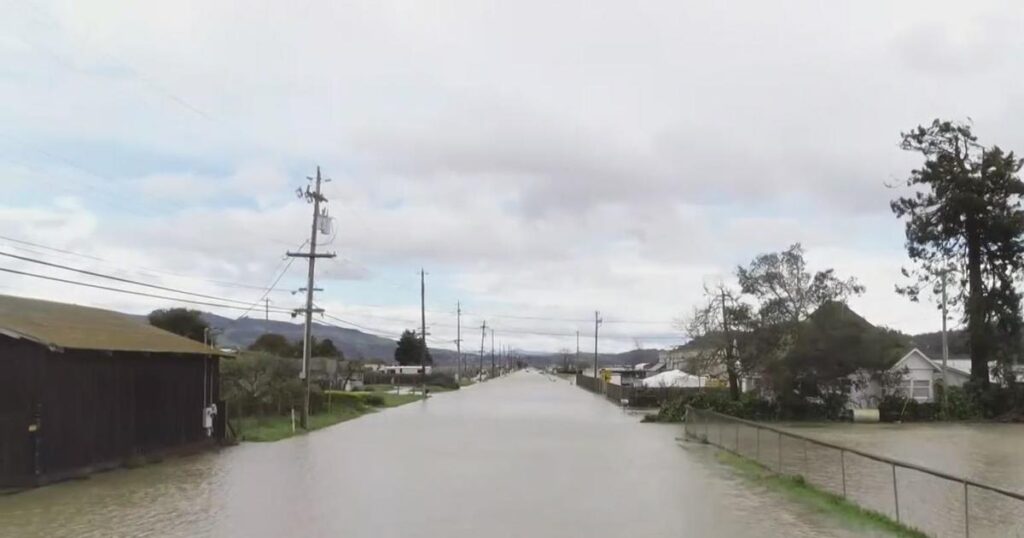
Key takeaways: Crews are assessing the damage caused by the 11th atmospheric river to hit California this winter The storm brought flooding, landslides, and toppled…
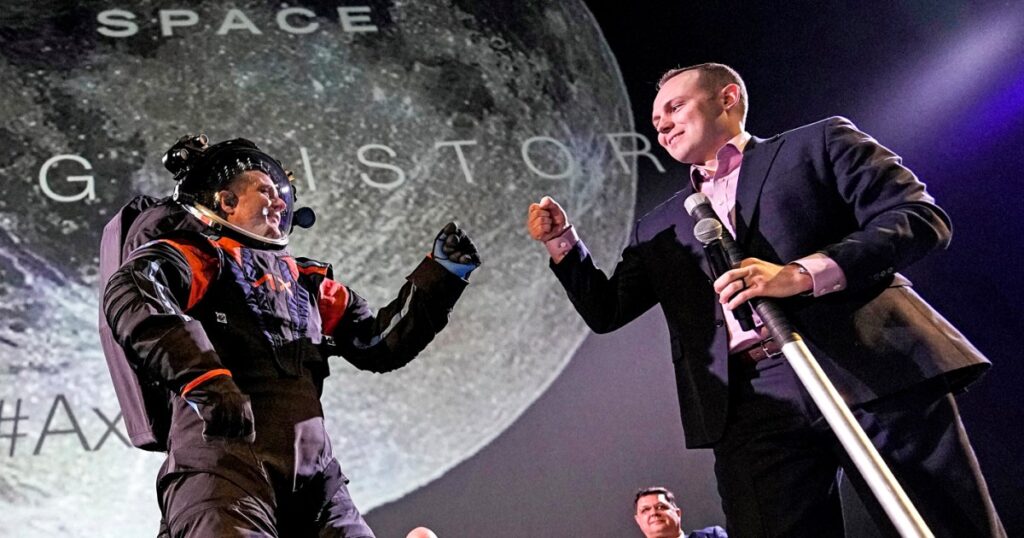
NASA and Axiom Space have unveiled a new design for the next generation of spacesuits, which will provide astronauts with greater flexibility and protection from the moon's harsh environment. The suits will come in a wider range of sizes, allowing astronauts of different body types to find a comfortable fit. The prototype unveiled is a stark contrast to the puffy white suits worn by Moonwalking astronauts, and is designed to be ready for use by the first woman and person of color to walk on the moon.

NASA's James Webb Space Telescope has captured an unprecedented image of WR 124, a Wolf-Rayet star in the Sagittarius constellation 15,000 light-years away. This massive star is in the brief Wolf-Rayet phase before going supernova, and Webb's observations of this rare phase are valuable to astronomers. The telescope is a joint project between NASA, the European Space Agency, and the Canadian Space Agency and is set to launch in 2021, providing astronomers with the most powerful space telescope ever built to study stars, galaxies, and planets, and search for signs of life.
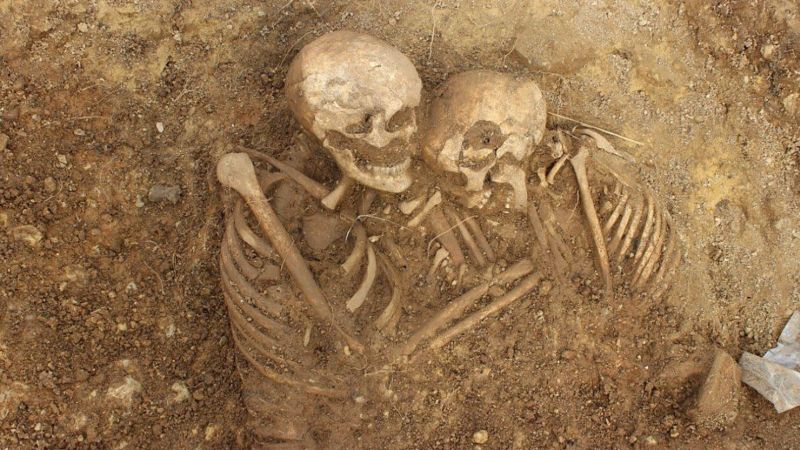
Archaeologists have made a remarkable discovery in Leeds, England, unearthing a 1,600-year-old cemetery that bridges the gap between the ancient and medieval periods. The remains of 62 people were found, including a late-Roman aristocratic woman found in a lead coffin, offering a rare glimpse into life in Britain during the decline of the Roman empire and the establishment of Anglo-Saxon kingdoms. The cemetery is being preserved and the remains of the deceased will be reburied in accordance with the wishes of their descendants, with Leeds City Council committed to ensuring that the remains are treated with respect and dignity.
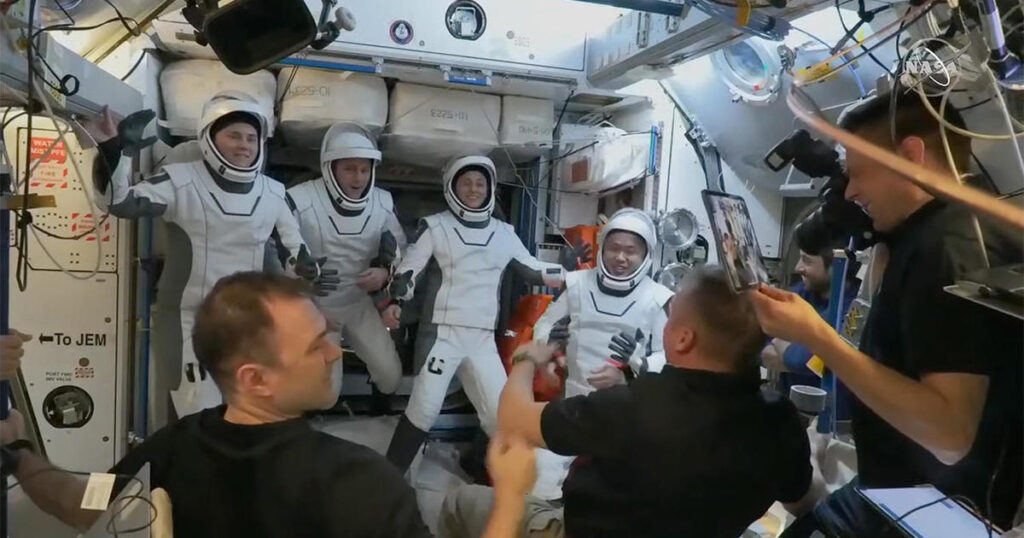
Four astronauts returned to Earth on Saturday night after a successful five-month mission aboard the International Space Station. Led by NASA's Nicole Mann, the first Native American woman to fly in space, the crew had to deal with a pair of leaking Russian capsules and the urgent delivery of a replacement craft. The mission is a testament to the hard work and dedication of the entire team, and a reminder of the progress that can be made when we work together.
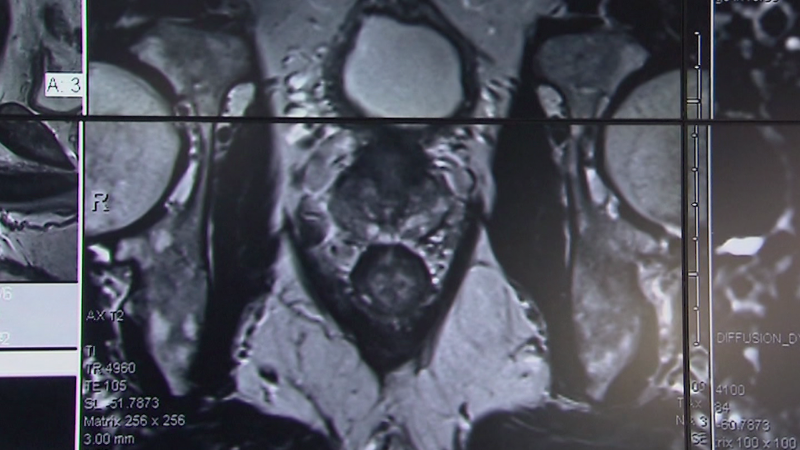
A new study has found that men who actively monitored their low- to intermediate-risk prostate tumors had a lower risk of life-altering complications such as incontinence and erectile dysfunction, compared to those who underwent surgery or radiation. The study followed 8,000 men over 15 years, and showed that active monitoring is a safe and effective option for men with localized prostate cancer. However, decisions should be made on an individual basis.