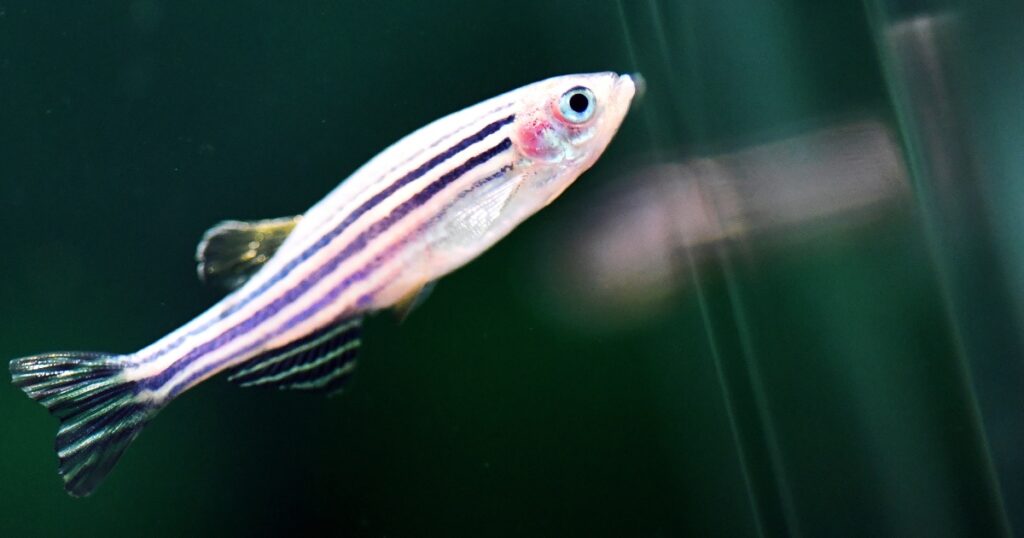
A new study published in the journal Science suggests that our capacity to care about others may have very ancient origins, rooted in prehistoric animals that lived millions of years ago. Fish were found to be able to detect fear in other fish, and to form social bonds with other fish, suggesting that this capacity is not exclusive to mammals. Hans Hofmann, an evolutionary neuroscientist, commented on the findings, saying that some of the mechanisms that underlie our ability to experience fear and fall in and out of love are clearly very ancient pathways.
Posts published in “Science”

Researchers have used strands of Ludwig van Beethoven's hair to uncover clues about the health problems and hearing loss that plagued him. Through DNA analysis, they found a genetic risk for liver disease, plus a liver-damaging hepatitis B infection in the last months of his life. The study's primary goal was to shed light on Beethoven's health problems and to honor his wish that his ailments be studied and shared.
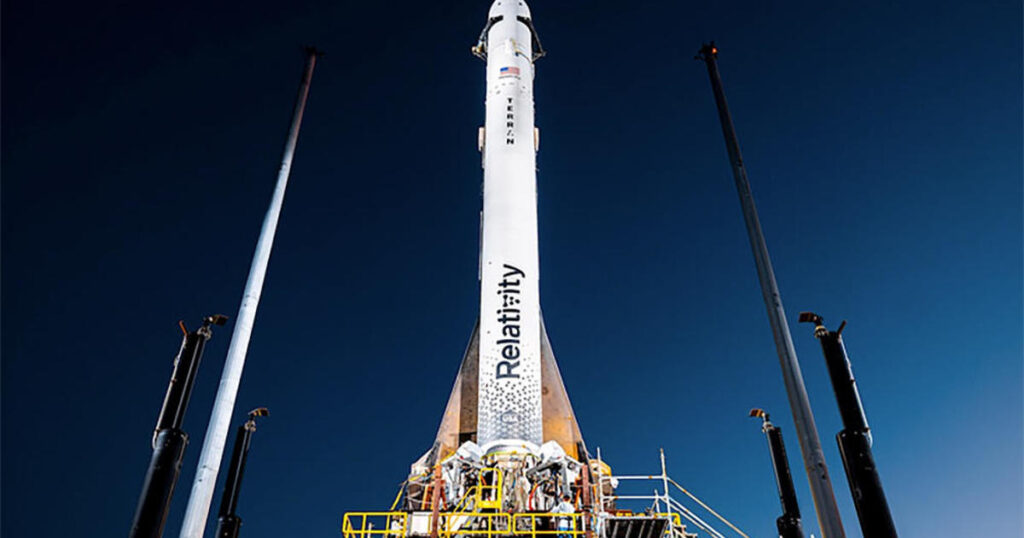
Relativity Space launched the world's first 3D-printed rocket, Terran 1, from the Cape Canaveral Space Force Station in Florida on Wednesday night. The mission was a success until a malfunction in the second stage prevented the rocket from reaching orbit. Despite the setback, the company is determined to investigate the issue and move forward with their plans for the future.

GOOD Meat has received a "no questions" letter from the FDA, indicating that the administration is satisfied that their lab-grown chicken product is safe to sell in the US. The company is now in talks with restaurants and food service companies about potential partnerships, and needs approval from the US Department of Agriculture in order to sell to consumers. If approved, GOOD Meat's lab-grown chicken would be the first of its kind to hit the market in the US, and is said to be more sustainable and healthier than traditional chicken.
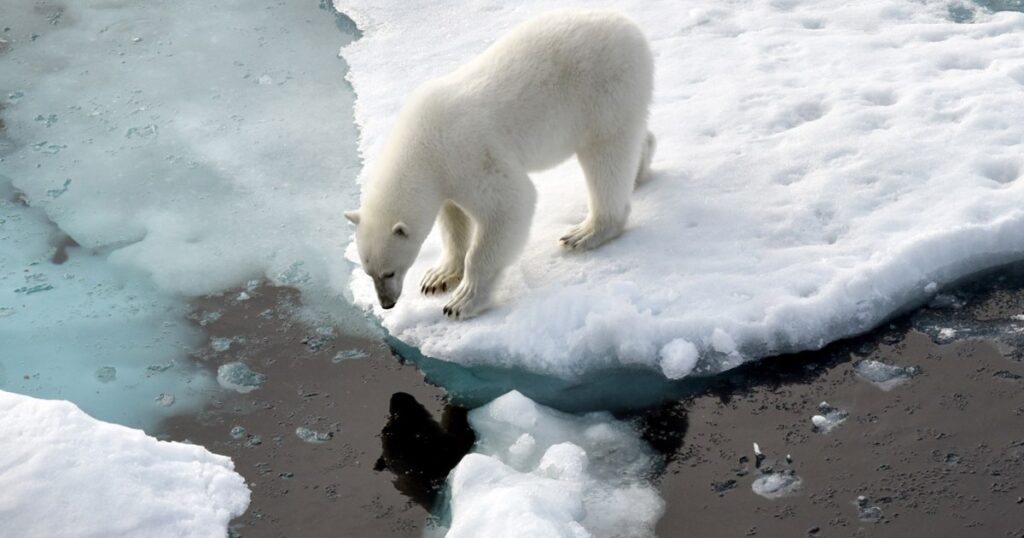
The United Nations Intergovernmental Panel on Climate Change has released a new report warning that the world is rapidly approaching catastrophic levels of heating and that immediate and radical action is needed to avoid the worst effects of climate change. The report emphasizes that the technology to adapt to climate change and reduce emissions is available, and that it is now up to governments, businesses, and individuals to take action. António Guterres, Secretary-General of the United Nations, has called for mainstreaming effective and equitable climate action.

The World Health Organization (WHO) has called on Chinese health authorities to release genetic sequences of SARS-CoV-2, the virus that causes Covid-19, after a new analysis of genetic material collected from the Huanan Seafood Market in Wuhan, China revealed animal DNA in samples already known to be positive for the virus. The analysis uncovered a significant amount of animal DNA that appears to belong to raccoon dogs, which were known to be traded at the market, and WHO has urged other countries to share their data in order to help scientists better understand the virus and its origins.

Scientists from around the world have analyzed genetic data from samples collected near the first human cases of Covid-19 in China, suggesting that the pandemic originated from animals, not a lab. The WHO has called for more research and data sharing to gain a better understanding of the virus and how it spread.

Key takeaways: Xcel Energy is currently cleaning up a 400,000 gallon radioactive water leak from its Monticello nuclear power plant. The Minnesota Pollution Control Agency…