
The UK Met Office says a developing Pacific El Niño could be unprecedented in modern records, with sea surface temperatures forecast to exceed 3C above average. Forecasters warn it will raise risks of drought, flooding, storms and global heat, making 2027 very likely to become the hottest year on record.
Posts published in “Science”
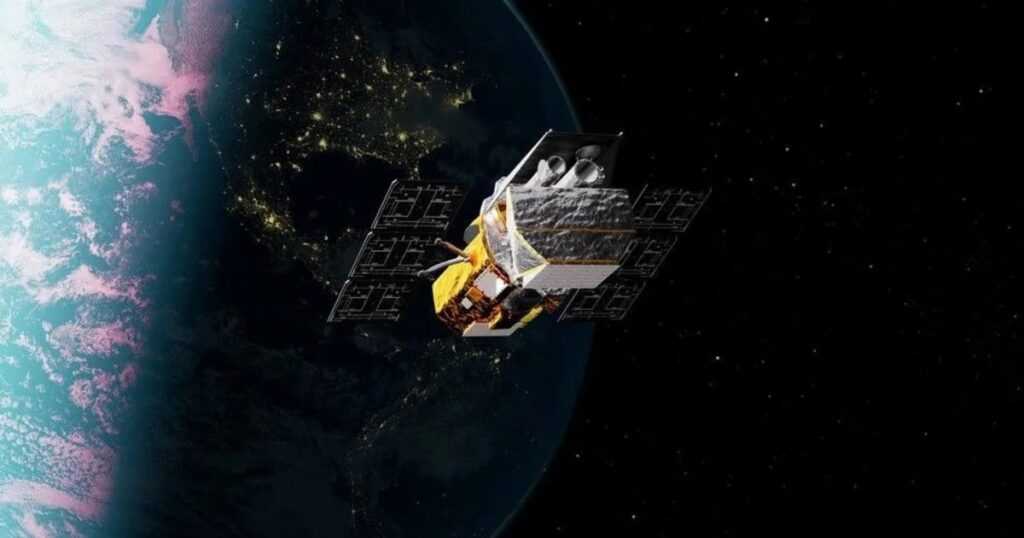
NASA and Katalyst Space Technologies have called off an attempt to boost the Neil Gehrels Swift Observatory into a safer orbit. The telescope is expected to break apart in Earth’s atmosphere later this year after control problems crippled the LINK rescue spacecraft.

Moderna and Merck said a personalized mRNA vaccine, used with Keytruda, reduced recurrence and spread of high-risk melanoma in a late-stage trial. Experts called the results promising but cautioned that full data have not yet been released or peer-reviewed.
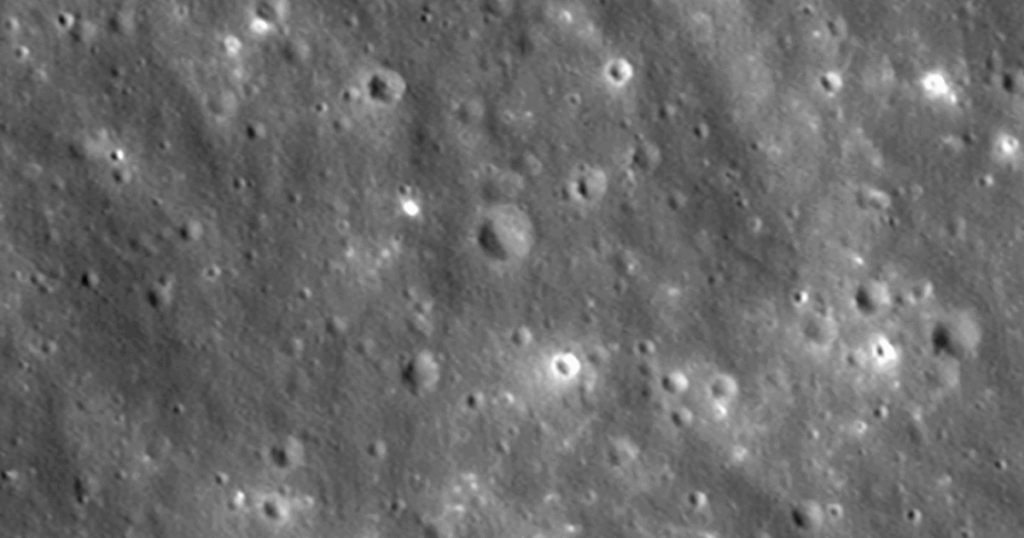
NASA’s Lunar Reconnaissance Orbiter photographed a 60-foot-wide crater left by a SpaceX Falcon 9 upper stage that struck the moon on Aug. 5. The uncontrolled impact was a rare artificial collision with the lunar surface.
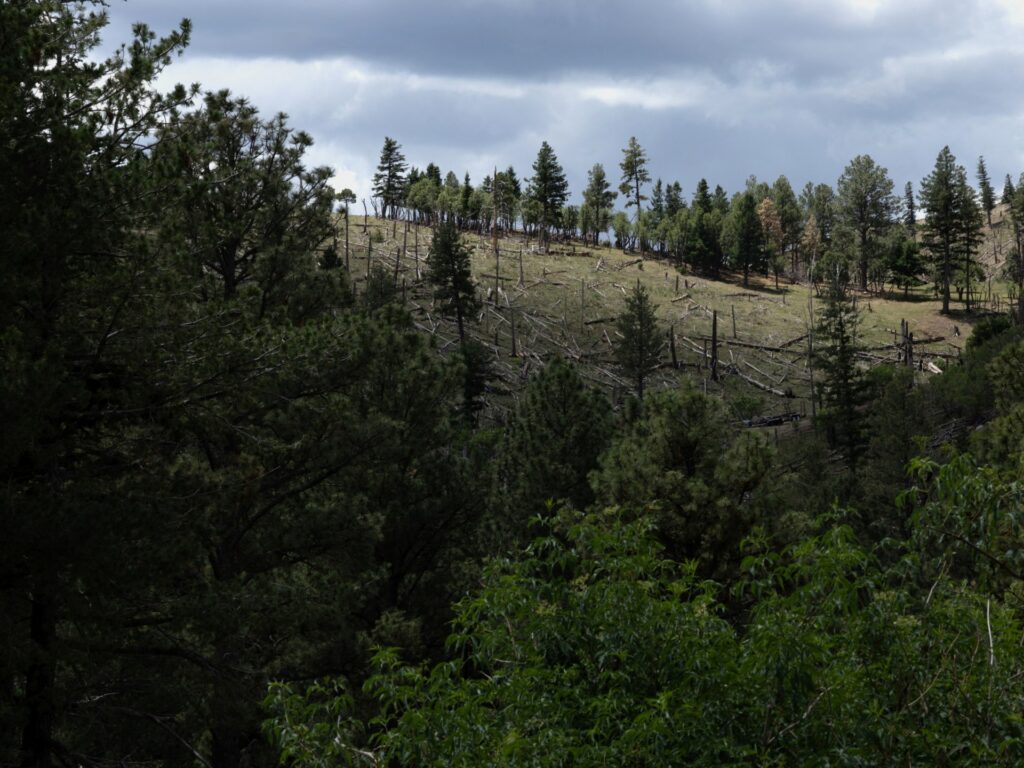
The Trump administration has proposed repealing the 2001 Roadless Area Conservation Rule, which protects nearly 45 million acres of national forest from road construction and logging. Officials say the change would help reduce wildfire risk, while environmental groups warn it would open intact forests to industrial development.

Fire officials in Bedford County, Virginia, say an 8-foot python contributed to a middle school classroom fire by knocking over a heat fixture. The snake’s owner, a life science teacher, disputes that account and says the python escaped only after the blaze began.
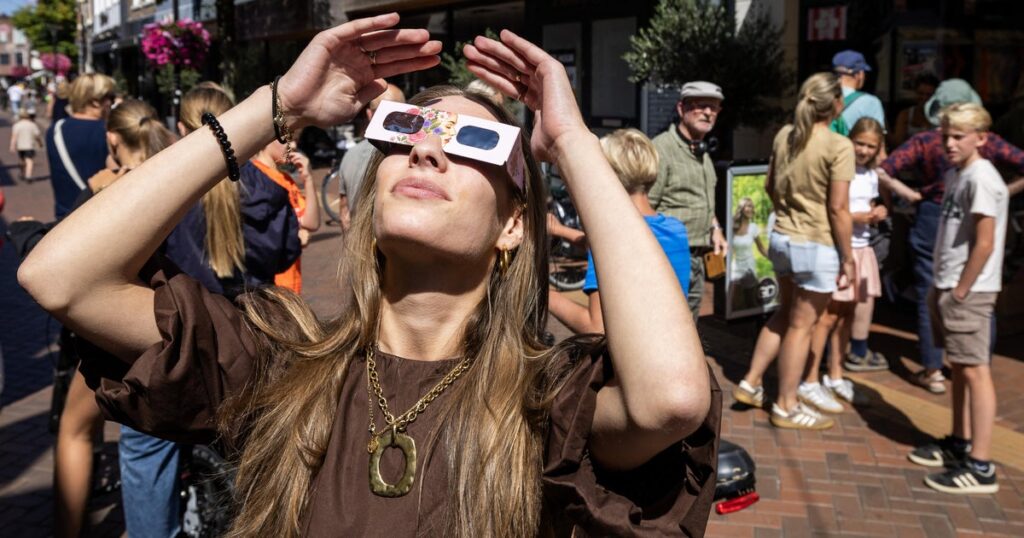
The only total solar eclipse of 2026 will cross northern Russia, Greenland, Iceland, Spain and part of Portugal on Wednesday. Millions will see totality for about two minutes, while hundreds of millions more may see a partial eclipse.
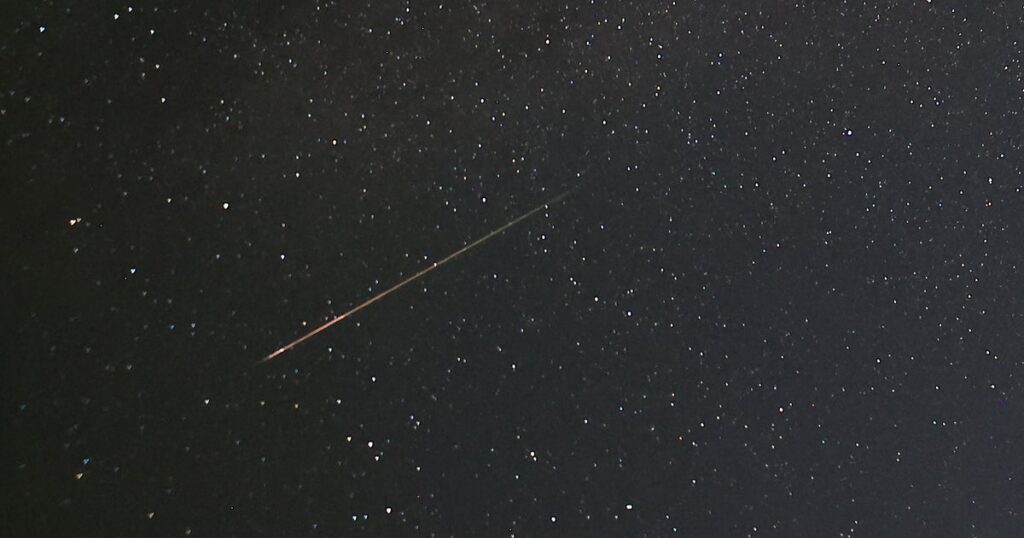
The Perseid meteor shower peaks Aug. 12 and 13, with the best views expected between midnight and dawn under a new moon. NASA says the shower can produce about 50 to 100 meteors per hour, while the BBC reports that especially lucky viewers could see more than 100.