Key takeaways:
- The USDA filed a proposal to rescind the 2001 Roadless Area Conservation Rule, affecting nearly 45 million acres of national forest land.
- Agriculture Secretary Brooke Rollins said the repeal would return authority to local forest managers and help reduce wildfire risk.
- Environmental groups said the repeal could allow logging, drilling and road building in forests including the Tongass, Tahoe and areas near the Appalachian Trail.
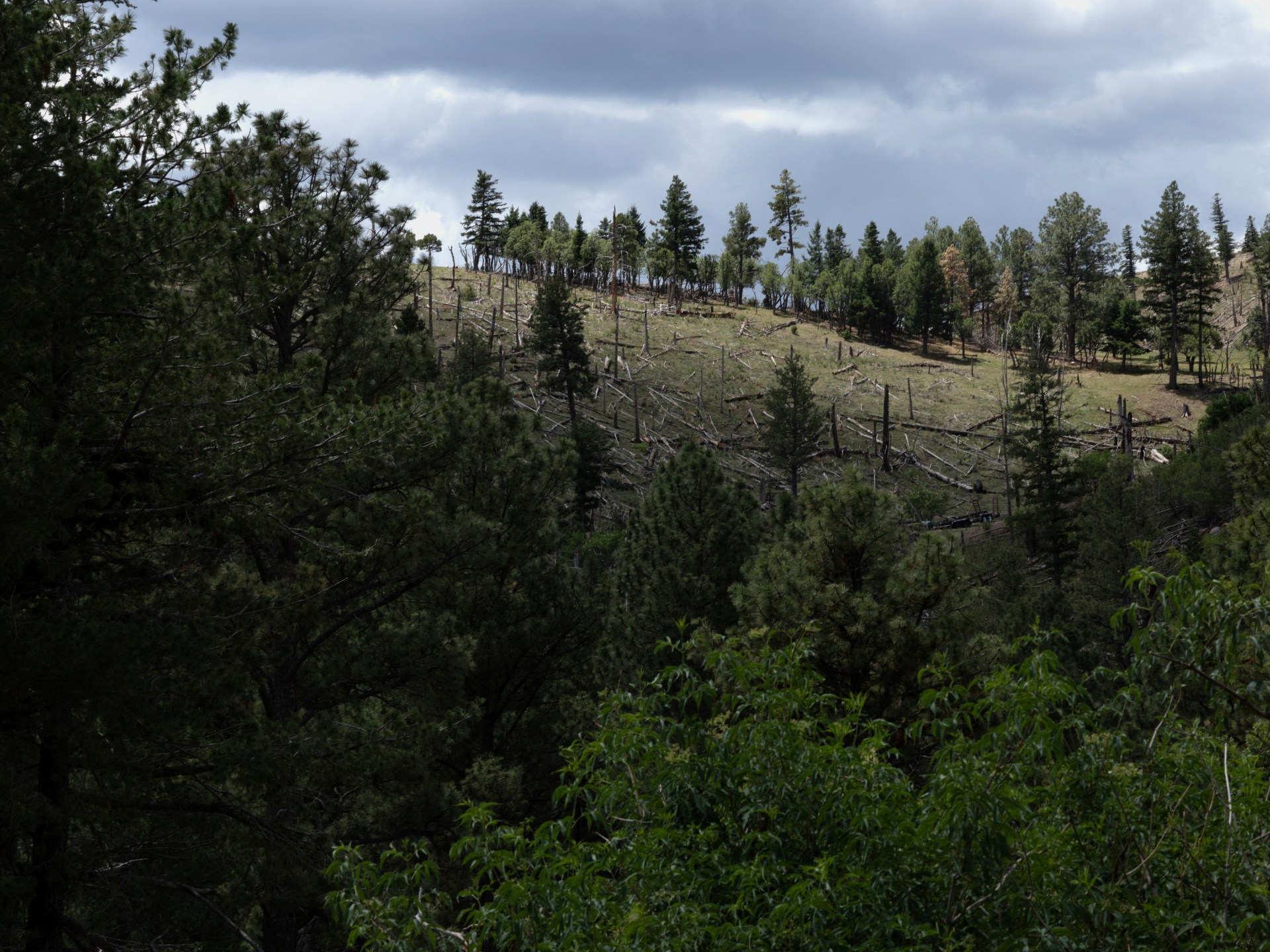
The Trump administration moved Tuesday to repeal a 25-year-old conservation rule that protects nearly 45 million acres of national forest from road construction and logging, setting up a fight over wildfire prevention, old-growth forests and the future of some of the country’s most intact public lands.
The U.S. Department of Agriculture said it had filed a proposal to rescind the 2001 Roadless Area Conservation Rule in its entirety. The rule, adopted under President Bill Clinton, restricts road building and logging in inventoried roadless areas of national forests after concerns about unsustainable logging.
Agriculture Secretary Brooke Rollins said the change would return authority to local forest managers and remove barriers to work the administration says is needed to reduce wildfire danger.
“For too long, outdated restrictions have kept tens of millions of forested acres off-limits to the very treatments that improve forest health and reduce wildfire risk to our communities,” Rollins said. “Today, we filed a proposal to restore authority to local forest managers who know the land best, removing the barriers that have kept them from doing the work the land demands.”
Rollins also said, “It’s time to turn the page on the failed roadless rule and return our forests to health and productivity.”
Tom Schultz, chief of the U.S. Forest Service, said more than 40% of inventoried roadless areas, primarily in the West, have high or very high wildfire hazard potential, and that only 5% of those areas have received hazardous fuels reduction treatments since 2014.
“Active forest management is not an option. It’s essential,” Schultz said.
Republican officials also backed the proposal. Montana Gov. Greg Gianforte said that “for 25 years, the heavy thumb of Washington, D.C., has hindered Montana’s ability to properly manage wildfire risk and road development on nearly 60 percent of Forest Service land across the Treasure State.”
The USDA said it is not requiring timber cutting or road construction. While the lands are called “roadless,” the Forest Service says thousands of miles of federal, state and county roads already exist within them. About half of the lands are within 1 mile of a road, and 31% are within half a mile.
Environmental groups sharply criticized the plan, saying it would expose forests from Alaska to Oregon to North Carolina to industrial development, logging, drilling and new roads.
“[The rule] is the only thing preventing much of our wildest remaining national forests from industrial development,” said Alex Craven, forest campaign manager for the Sierra Club. “These forests offer critical habitat for wildlife, provide clean, fresh air and water for millions and contain vast swathes of the last remaining old-growth forests in the country.”
Craven disputed the administration’s wildfire argument, saying roads generally lead to more ignitions and more wildfires, not fewer. He said the rule has always allowed targeted action to reduce hazardous fuels.
The Natural Resources Defense Council urged public comments to “defend our forests from the administration’s chopping block,” saying the proposal could affect public lands including California’s Tahoe National Forest, Alaska’s Tongass National Forest and areas near the Appalachian Trail.
The Tongass, the largest roadless area, stores large amounts of carbon and is home to brown and black bears, wolves and bald eagles. Emma Powell of the Alaska Wilderness League called the Tongass and Chugach national forests “global treasures” that support fisheries, tourism, outdoor recreation, thousands of jobs and billions in economic activity each year.
More than 95% of the affected areas would be in 10 states: Alaska, Arizona, California, Montana, Nevada, New Mexico, Oregon, Utah, Washington and Wyoming.
The proposal comes during a severe wildfire year in the United States. Through Aug. 17, 7.3 million acres had burned in about 49,000 fires, according to the National Interagency Fire Center. In early August, Washington state battled a destructive wildfire that burned more than 8,000 acres and forced about 65,000 people to evacuate.
The public has until Sept. 21 to comment on the proposed repeal.











Be First to Comment