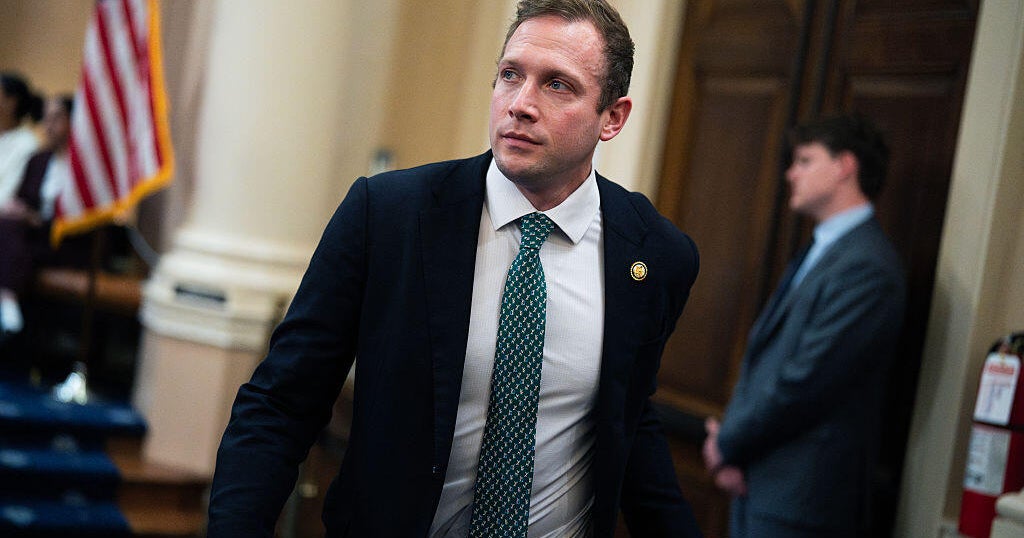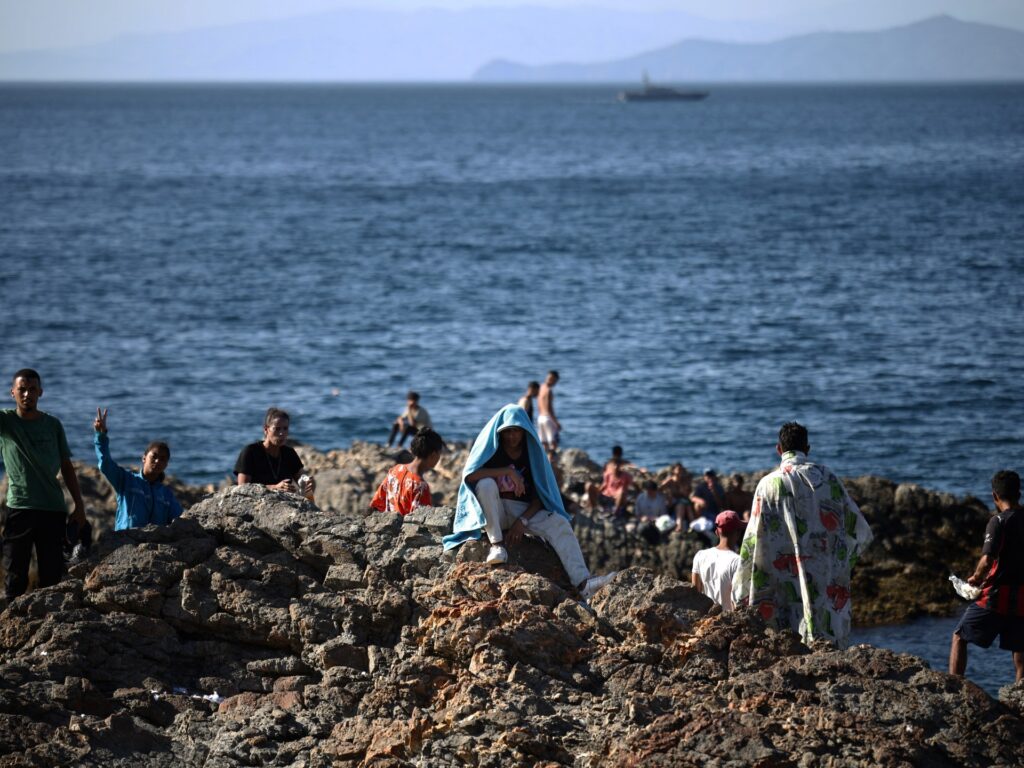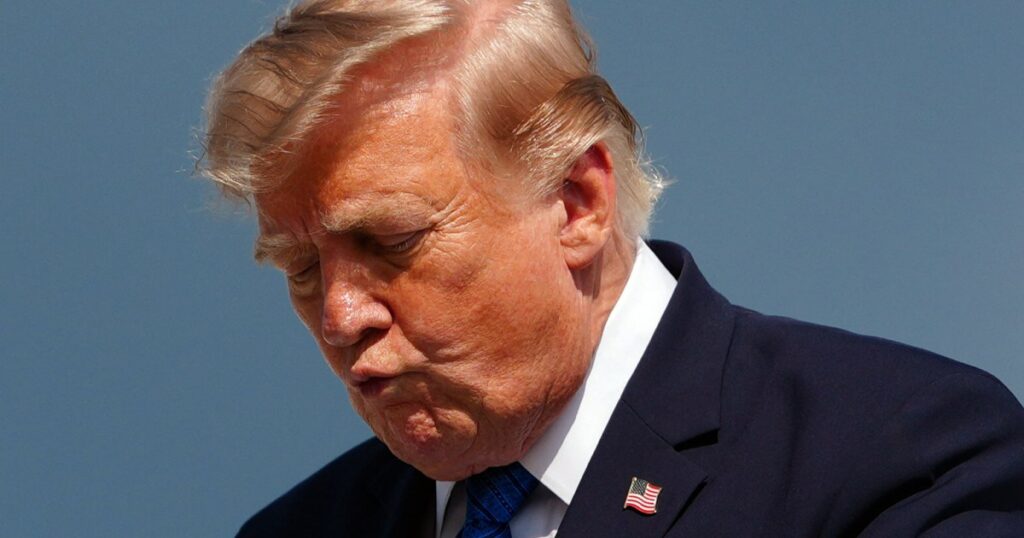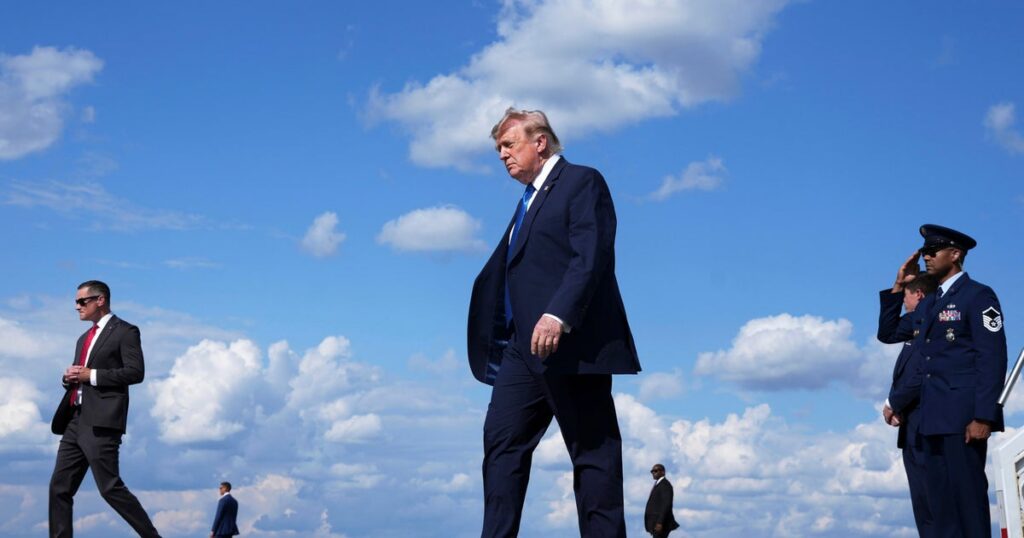
The Senate passed a Democratic-backed bill to fund the Department of Homeland Security excluding Immigration and Customs Enforcement (ICE) and Customs and Border Protection (CBP), with Democrats demanding reforms before supporting these agencies. House Republicans, led by Speaker Mike Johnson, oppose the Senate’s approach and plan to introduce a bill funding the entire DHS, including ICE and CBP, though the timing remains uncertain. The funding impasse has drawn sharp criticism from conservatives and frustration from moderate Democrats, leaving the DHS’s financial future uncertain as lawmakers return from recess.
Posts published in “Politics”
The House Ethics Committee found Democratic Representative Sheila Cherfilus-McCormick guilty of 25 ethics violations related to the misuse of $5 million in federal pandemic relief funds, following a rare public hearing and a three-year investigation. Despite her denial of wrongdoing and ongoing federal criminal charges, the committee plans to hold a disciplinary hearing after the House’s spring recess, with potential sanctions ranging from censure to expulsion. House Republicans have strongly pushed for her removal, signaling a contentious battle over her future in Congress.
The Senate approved a bill to fund most of the Department of Homeland Security except for Immigration and Customs Enforcement and parts of Customs and Border Protection, continuing a partial government shutdown centered on immigration enforcement funding. The bill aims to restore funding for key agencies like TSA and FEMA amid operational challenges, including TSA staffing shortages and long airport security lines, prompting President Trump to order emergency payments for TSA workers. While Democrats praised the bill for excluding immigration enforcement funding without reforms, House Republican leaders criticized it and have yet to commit to advancing the measure, leaving the shutdown unresolved.
Tensions in the Strait of Hormuz remain high as Iran rejects U.S. claims of progress in negotiations and continues to enforce a blockade, turning back commercial ships and imposing hefty transit fees that violate international law. The situation has drawn condemnation from Gulf neighbors and global markets have reacted negatively, with rising oil prices and falling stock markets amid uncertainty. Internally, Iran’s leadership has shifted toward a hard-line, military-dominated faction led by figures like Mohammad Bagher Ghalibaf and Ahmad Vahidi, signaling a tough stance in any potential talks with the U.S.
A federal judge in California has blocked the Trump administration from designating AI company Anthropic as a "supply chain risk" and banning federal use of its technology, ruling the government's actions likely unlawful and arbitrary. The dispute arose after Anthropic restricted military use of its AI for surveillance and autonomous weapons, leading to the Pentagon’s prohibition and a presidential order to cease using its services. The injunction restores the status quo pending appeal, allowing agencies to choose AI providers freely while Anthropic continues legal challenges against what it calls retaliatory government actions.
President Donald Trump faces significant obstacles in advancing the U.S. military campaign against Iran due to uncertain congressional support and growing public opposition, with lawmakers demanding clearer justification and strategy. The conflict has also triggered economic repercussions, including stock market declines and soaring oil and gasoline prices, while Trump downplays these issues and temporarily halts attacks on Iran’s energy infrastructure. Concurrently, the administration is embroiled in controversies over election security, proposing ICE monitoring at polling places and facing criticism over Trump’s own mail-in voting, highlighting internal tensions ahead of the midterm elections.
The U.S. Department of Justice has launched a civil rights investigation into Ohio State University College of Medicine’s admissions policies, requesting detailed applicant data amid heightened scrutiny of diversity, equity, and inclusion (DEI) initiatives following the Supreme Court’s 2023 ruling against affirmative action. Led by Harmeet Dhillon, a conservative activist heading the DOJ’s Civil Rights Division, the inquiry reflects a broader crackdown on DEI policies at several universities. Separately, the DOJ and Department of Homeland Security are finalizing a controversial agreement to share sensitive voter registration data for immigration and criminal investigations, raising privacy and legal concerns.