Key takeaways:
- Rubio said Iran has agreed to discuss aspects of its nuclear program it refused to negotiate as recently as a month ago.
- The US says Iran must reopen the Strait of Hormuz before talks can move to nuclear concessions and possible sanctions relief.
- Iranian officials have warned that continued Israeli attacks in Lebanon could halt negotiations with Washington.
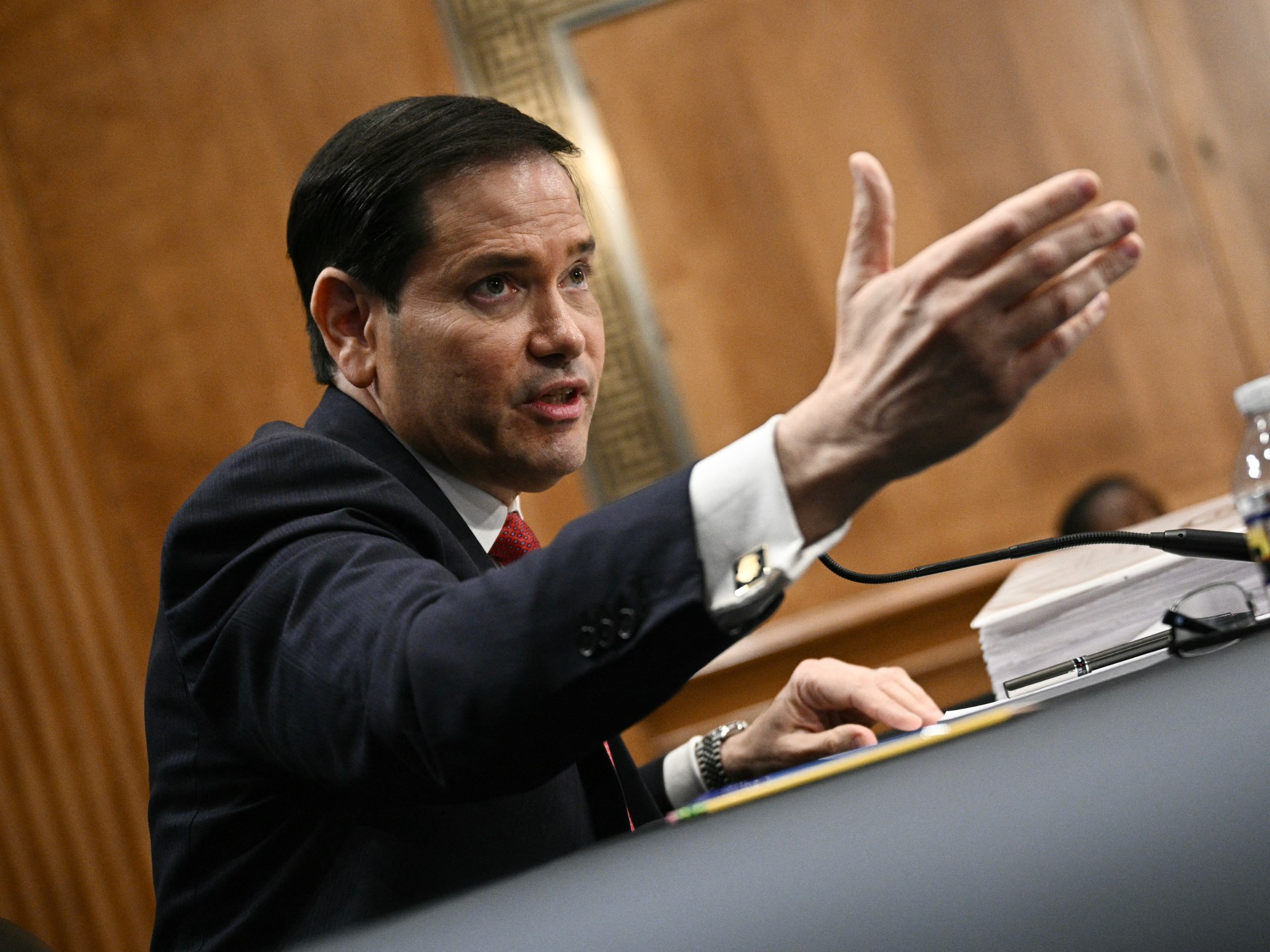
Secretary of State Marco Rubio told senators Tuesday that Iran has agreed to discuss parts of its nuclear program it had rejected as off-limits only weeks ago, even as Tehran signaled deep frustration with the talks and warned that Israeli attacks in Lebanon could derail negotiations.
Appearing before the Senate Foreign Relations Committee, Rubio said the Trump administration still sees a possible path to a deal after the April 8 truce, though he cautioned that progress is not assured.
“There is the prospect before us, which could happen today, it could happen tomorrow, it could happen next week,” Rubio said, adding that Iran had agreed to negotiate “aspects of their nuclear program” that it would not discuss “just a month ago.” He also said, “That is not a guarantee it will ultimately lead to a deal that’s acceptable.”
The diplomatic picture remained murky. Iran’s state-affiliated Tasnim News Agency reported that Tehran would stop exchanging messages with Washington through intermediaries, citing Israel’s military operations in Lebanon as a ceasefire violation. The semi-official Mehr news agency cited a source close to Iran’s negotiating team as saying Tehran was still studying the latest US proposal and had not communicated with Washington in several days.
President Donald Trump disputed reports that talks had stopped. “Conversations between us have been going on continuously,” he wrote on Truth Social. “Where they lead, one never knows, but as I told Iran, ‘It’s time, one way or another, for you to make a Deal’.”
Rubio laid out a two-phase framework for negotiations. He said Iran must first reopen the Strait of Hormuz, state clearly that it is not charging tolls, help remove mines it placed there and commit not to fire on ships. He described that as a precondition, not a bargaining chip.
“That’s the predicate that opens the door to phase two,” Rubio said. The next phase, he said, would require Iran to commit to disposing of its stockpile of highly enriched uranium and negotiate “severe and long-term limitations, and or cancellation of enrichment activity.”
Asked whether Washington would offer sanctions relief in exchange for reopening the waterway, Rubio said no. “That’s not been discussed. That’s not been offered,” he said, adding that any sanctions relief would be tied to nuclear concessions.
The Strait of Hormuz, which carried about 20% of the world’s oil and liquefied natural gas supplies before the war, has been effectively closed since the conflict began. Rubio said a US counter-blockade targeting ships trying to reach Iranian ports was costing Tehran “hundreds of millions of dollars a day” in lost oil revenue. “If they’re going to shut down the straits for everybody,” he said, “we’re going to shut down the straits for them.”
Rubio also told lawmakers that Mojtaba Khamenei, who succeeded his father Ali Khamenei after the supreme leader was killed in the opening US-Israeli strikes on Feb. 28, appears to be alive and more involved in Iranian decision-making. “I think there are indications out there that he is increasingly engaging at some level, although all of his communications have been in writing and through intermediaries,” Rubio said.
On the military front, Rubio said Iran’s missile program had been “substantially degraded,” its launcher capacity reduced and its drone-building capability “eroded.” He said Iran still has “a lot of drones” because they are easy to make. He also said, “There is no Iranian navy. It lies at the bottom of the ocean.”
Those assessments have been contested. The New York Times reported in May that Iran retained roughly 70% of its prewar missile stockpile, while analysts said the larger damage may be to Iran’s ability to replace weapons, with more than 85% of its ballistic missile, drone and naval defense industrial base damaged or destroyed.
Iranian officials have linked the negotiations to Israel’s actions in Lebanon. Iran’s parliament speaker and chief negotiator, Mohammad Bagher Ghalibaf, said that if Israel’s “aggression against Lebanon continues,” Tehran “will not only halt the path of negotiations” with the US, “but we will also be in direct confrontation with the enemy.”





Be First to Comment