Key takeaways:
- France’s parliament approved a law barring children under 15 from using social media, with age verification required for new accounts from September and existing accounts from January 2027.
- President Emmanuel Macron called the vote “a major step forward,” but a Constitutional Council review could delay implementation, Al Jazeera reported.
- Critics have raised concerns about privacy, enforceability and online anonymity, while supporters argue the measure is needed to protect children from harmful digital content.
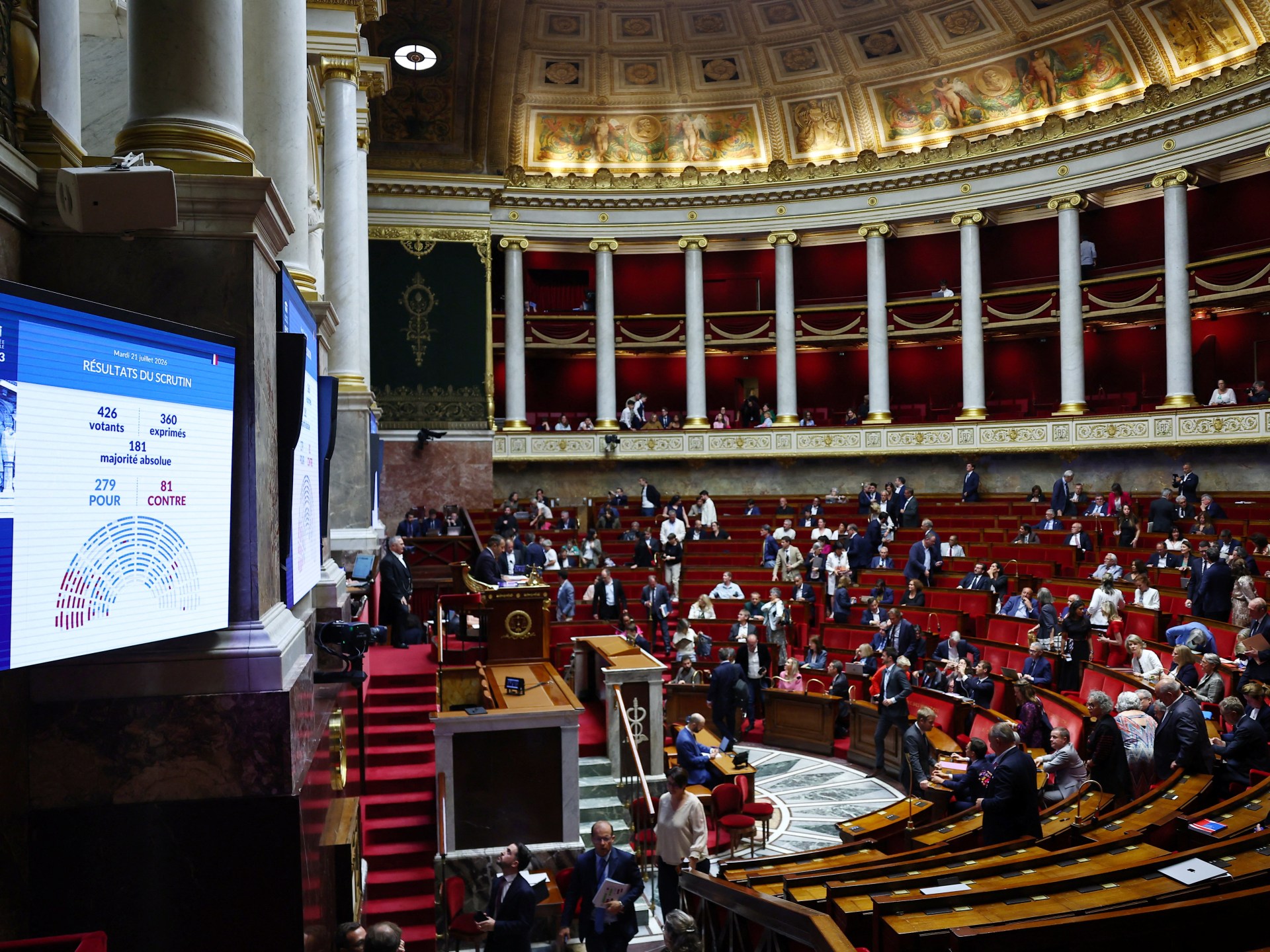
France’s parliament has approved a nationwide ban on social media use by children under 15, setting up the country to become the first in the European Union to adopt a blanket restriction on young people’s access to the platforms.
Lawmakers in both chambers of parliament backed the legislation on Tuesday. President Emmanuel Macron, who championed the measure as a signature initiative of his second term, called the vote “a major step forward”.
“France is leading the way in Europe when it comes to protecting our children and teenagers,” Macron said. He has pushed for the ban to take effect by September, before the new school year, though Al Jazeera reported that a review by the Constitutional Council could delay implementation.
“The Constitutional Council must now rule on it, and then it will be time to take action to make this measure a reality and protect our children online,” Macron said in a video posted on social media.
The ban is expected to be introduced in stages. From September, children under 15 will be blocked from opening new social media accounts, and age verification will be required for all new accounts. From January 2027, the rules will apply to existing accounts, meaning users in France will have to prove they are over 15 to keep using social media.
“If someone is under 15, the account will be closed,” Digital Minister Anne Le Henanff said, adding that users’ personal data would be protected.
According to Reuters, social media platforms would have to use age-verification tools approved by France’s privacy regulator once the ban is in place. The government has said the tools needed to carry out the checks are effective and safe. Le Henanff defended the speed of the rollout ahead of the vote “because age-verification tools already exist”, Agence France-Presse reported.
The measure comes amid growing concern in France and across Europe about children’s mental health and digital content. France’s public health watchdog said last year that platforms such as TikTok, Snapchat and Instagram were harmful to adolescents, particularly girls, though it did not identify them as the sole cause of declining mental health. Several families in France have sued TikTok over teen suicides they say are linked to harmful content.
The legislation also bans students from using mobile phones in schools, Al Jazeera reported. The social media ban will not cover access to online encyclopaedias, educational or scientific directories.
Critics have questioned whether the law can be enforced and whether it will withstand constitutional scrutiny. Lawmakers from the left-wing party France Unbowed opposed the bill, arguing that its legality was unclear, that it would effectively end online anonymity and that enforcement would be impossible. Agence France-Presse reported broader concerns about privacy, the effectiveness of age checks, the risk that young people will bypass them and the speed with which the law was designed and adopted.
Children’s advocates and some parents welcomed the vote. “We’ve been campaigning for this bill from the start because, frankly, we have no other option, no other way to counter tech giants,” said Gaelle Berbonde, a 52-year-old who lives in the Paris region. “The only thing we can do is protect our children, just as we protect our children from drinking alcohol.”
France follows Australia, which banned under-16s from social media in December. Australia’s eSafety Commission said in March that seven in 10 children under 16 who had a social media account before the ban still had “some access”. Tama Leaver, a professor of internet studies at Curtin University in Western Australia, told the BBC the Australian ban had “failed” in its technical aims but had shown that such a measure “can be done”, calling it “a bit of an experiment”.
Leaver said France’s requirement that everyone verify their age could give its ban a higher chance of success, but would also increase privacy risks. He also warned that restrictions could push young people into less-regulated online spaces, reduce their news consumption and weaken their political empowerment.
Other European officials are considering similar limits. In June, the BBC reported that former British Prime Minister Sir Keir Starmer announced that under-16s in the UK would be banned from social media from January 2027, with an optional midnight curfew for teens aged 16 and 17. In May, European Commission President Ursula von der Leyen proposed a “social media delay” for children in Europe and said new legislation could be put forward within months.













Be First to Comment