Key takeaways:
- The new NAION warning applies to all GLP-1 drugs, including Ozempic, Wegovy, Mounjaro and Zepbound.
- An FDA analysis found roughly six NAION cases per 100,000 patients taking a GLP-1 drug for at least a year, versus fewer than four per 100,000 in comparison groups.
- The FDA urges patients with new vision changes to contact a health care professional immediately.
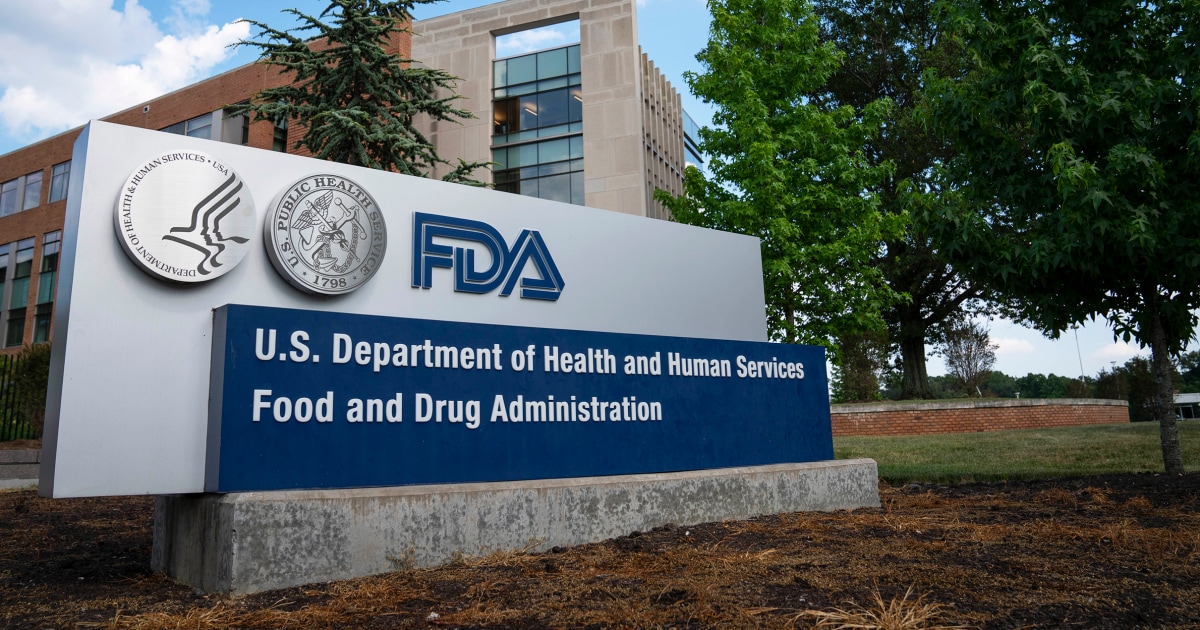
The Food and Drug Administration is requiring a new warning on all GLP-1 drugs, including Ozempic, Wegovy, Mounjaro and Zepbound, about a rare eye condition that can cause sudden, sometimes permanent vision loss.
The agency said Monday there is a “potential increased risk” of nonarteritic anterior ischemic optic neuropathy, or NAION, among people taking the medicines. The requirement covers injectable and pill-based GLP-1 drugs used to treat diabetes, obesity and other conditions. Cases have been reported with all GLP-1 drugs currently on the market, the FDA said, though its scientists have not determined how the drugs might increase the risk.
NAION occurs when blood flow to the optic nerve is reduced. It can cause acute, painless vision loss, often in one eye. The FDA listed blurred vision, blind spots, distorted colors and other visual changes as possible symptoms and urged patients experiencing them to contact a health care professional immediately.
The FDA began examining a possible link after a 2024 study of semaglutide, the active ingredient in Novo Nordisk’s Ozempic and Wegovy. NBC News reported that the study, published in JAMA Ophthalmology, found diabetes patients prescribed semaglutide were four times as likely to develop NAION as those who were not prescribed it.
According to CBS News, an FDA analysis of more than 125 clinical trials found NAION in roughly six of every 100,000 patients who took a GLP-1 drug for at least a year, compared with fewer than four per 100,000 people taking a placebo or another type of glucose-lowering medication. The agency also reviewed reports submitted to its system for tracking suspected drug side effects.
The condition is rare even among people who do not take GLP-1 drugs. The American Academy of Ophthalmology estimates that it affects between two and 10 of every 100,000 adults over age 50. NBC News noted that Type 2 diabetes, obesity, sleep apnea and high blood pressure are among the risk factors for NAION that can also occur in people prescribed GLP-1 drugs.
Dr. Joseph Rizzo, a neuro-ophthalmologist at Massachusetts Eye and Ear who co-authored the 2024 paper, told CBS News that he believes the evidence shows GLP-1 use increases the risk. He said that does not mean patients should avoid the medicines: “The medicines have really been profoundly beneficial to a large number of people.” Vision loss from NAION usually does not substantially improve, he said, and can worsen even after a patient stops taking a drug.
Dr. Manjot Gill, a Northwestern Medicine ophthalmologist, told NBC News the warning is appropriate, but patients should not stop their medicines out of fear. “Should they experience any kind of change in vision,” she said, patients should seek care from an eye provider.
Novo Nordisk said it does not believe the data establish a cause-and-effect relationship and remains confident in its drugs’ benefit-risk profile. Eli Lilly said it was evaluating the FDA’s update and noted that the warning applies to the entire drug class, not to findings specific to Lilly medicines.





Be First to Comment