Key takeaways:
- A draft Canada-EU statement replaces references to “associate membership” with a call for an “ever closer association.”
- Carney says the summit will launch formal discussions on deeper ties, while Canadian officials expect agreements covering defence, critical minerals, research and trade.
- Germany and other EU governments objected to the proposed label; neither Canada nor the EU is seeking full Canadian membership.
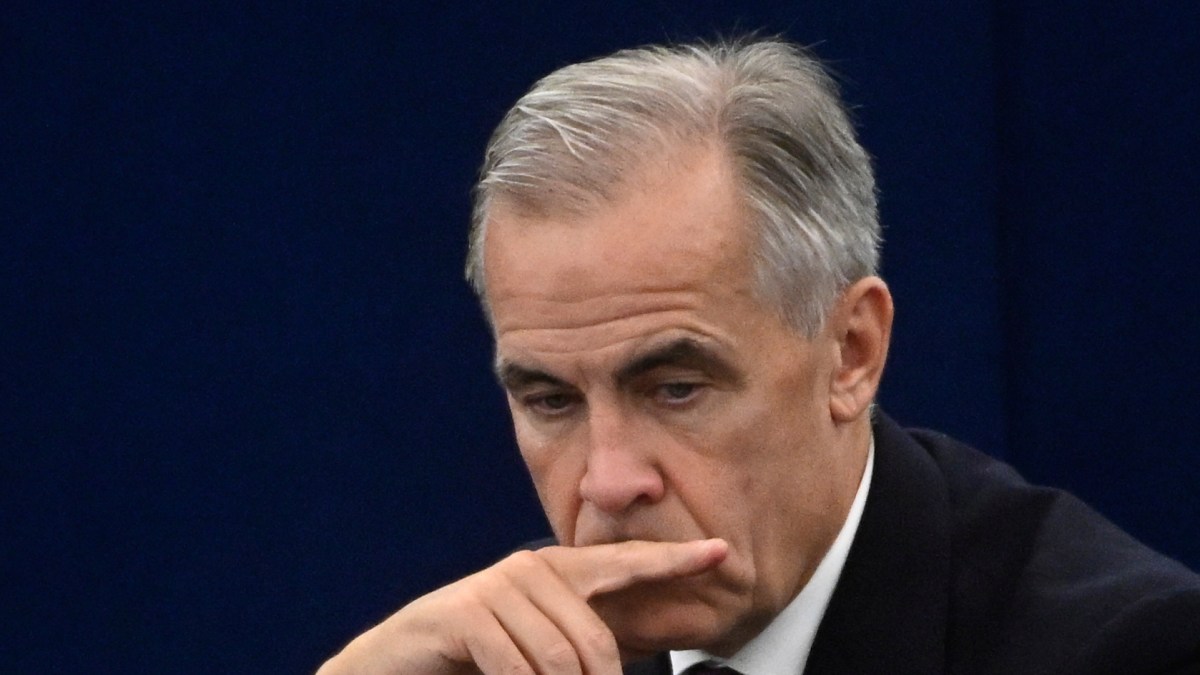
Canada and the European Union are seeking closer ties at a two-day summit in Montreal, but a proposed label for their relationship has been dropped from a draft joint statement after objections from some EU governments.
The terms “associate member” and “associated membership” were removed from the draft ahead of its planned release Friday, Al Jazeera reported, citing reports by Reuters and the German news agency dpa. The draft instead calls for an “ever closer association” between Canada and the EU.
European Commission President Ursula von der Leyen raised the prospect in September of Canada becoming an “associate member” of the 27-nation bloc. No such status currently exists, the BBC reported. Her overture followed an address by Canadian Prime Minister Mark Carney to the European Parliament in Strasbourg, where he said Canada and Europe were “stronger together” in the face of “geopolitical rupture.”
The proposed wording drew objections from Germany and other EU governments. Reuters and dpa reported, according to Al Jazeera, that German Chancellor Friedrich Merz and other leaders pushed to remove it from the summit declaration. Germany’s ambassador to Canada, Matthias Lüttenberg, told CTV News that some member states were “a little surprised” by von der Leyen’s announcement, the BBC reported.
“Germany has been using the term of associate membership for something completely different, which is the relationship of the EU to Ukraine and potentially Moldova,” Lüttenberg said. He added that neither Canada nor the EU is seeking full Canadian membership. The aim, he said, is to bring Canada “as close as possible” to the bloc without membership.
Carney has played down the dispute over terminology. He said this week that the summit would launch formal discussions on deeper ties and new opportunities, according to the BBC. Al Jazeera reported that he expects negotiations to take another year. “The good news is it doesn’t matter about specific names or nomenclature,” Carney told reporters. “What matters is the difference it will make to the lives of Canadians.”
Carney and von der Leyen are due to meet business leaders from Canada and Europe at a forum on the summit’s first day, the BBC reported. Canadian officials expect agreements on defence, critical minerals, research and trade during the meeting. European officials have cautioned that details of the broader relationship will take months to settle.
According to Al Jazeera, the draft statement also includes an initiative for new subsea cables linking Europe, Canada and Asia, a proposed feasibility study on Canadian liquefied natural gas exports to Europe, and opportunities for young Canadians and Europeans to work across the Atlantic. The BBC reported that officials have also discussed more opportunities for students to study across the Atlantic. Canadian officials say Canada does not plan to pay a fee like EU members do, but is considering participation in individual EU programmes.
The push comes as Canada seeks to reduce its reliance on the United States, its largest trading partner, amid tariffs imposed by President Donald Trump. Trump has called the associate membership idea “laughable” and warned of trade consequences for Europe if he considered it a “hostile act.” Canadian officials said Wednesday that closer ties with Europe are not intended to offend anyone, the BBC reported.






Be First to Comment