Key takeaways:
- A one-off £100 energy payment will go to households in council tax bands A to D in England, with Wales planning to match it and Scotland planning to replicate it.
- The tax surcharge on big banks’ profits will rise from 3% to 6% from January through March 2028.
- Healey deferred plans for meeting the government’s 2030 and 2035 defence spending targets until next year’s spending review.
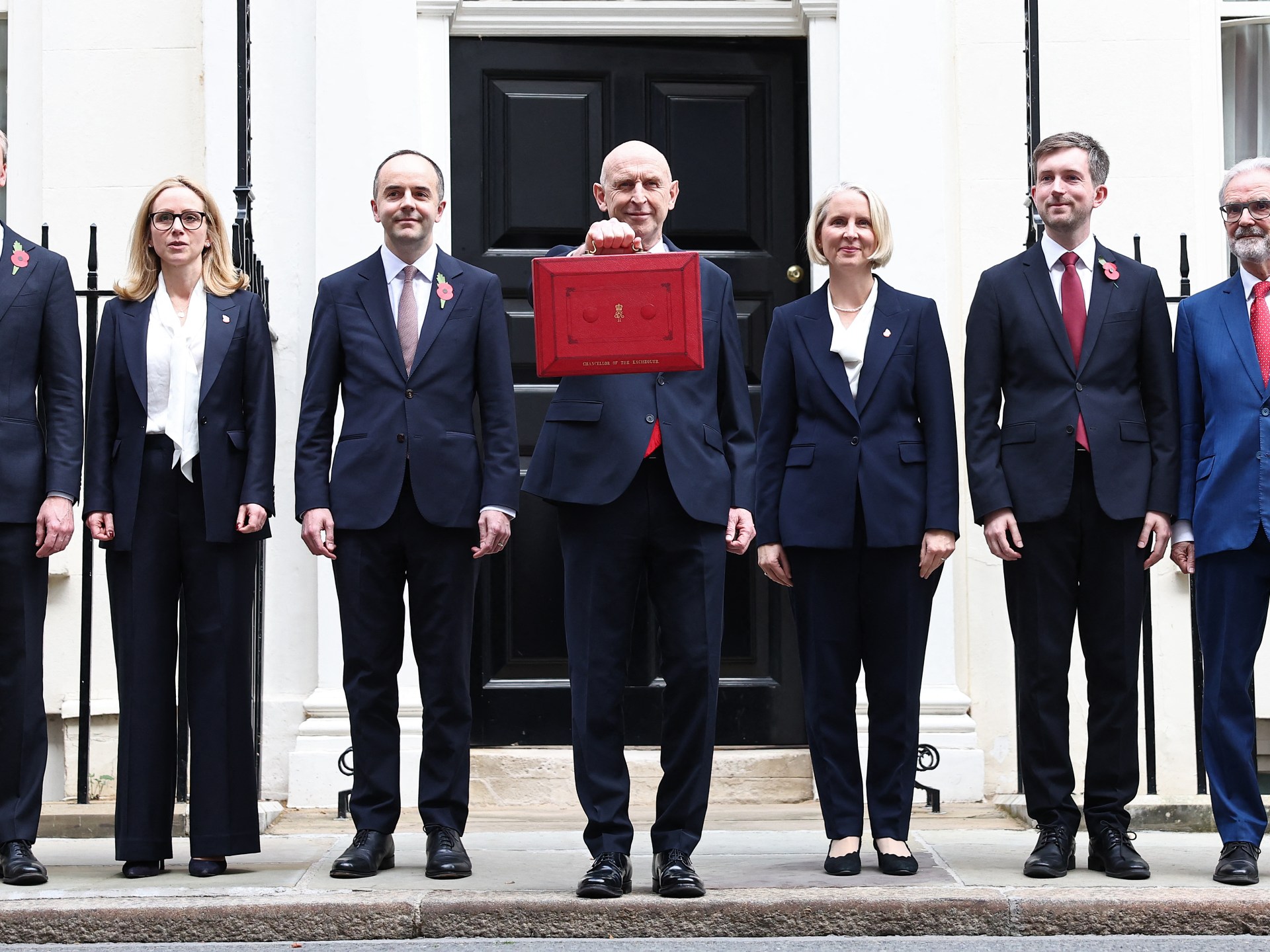
Millions of UK households will receive a one-off £100 payment toward energy bills under Chancellor John Healey’s first Budget, funded by a temporary increase in tax on big banks’ profits. The package offers immediate help with living costs while leaving major decisions on welfare and defence spending until next year.
Healey told MPs he wanted to give families “breathing space now” and “hope for the future” as the economy faced what he called “global economic storms”. Al Jazeera reported that the payment will reach 20 million households. In England, it will go to people living in council tax bands A to D; Wales has said it will match the payment, and Scotland plans to “replicate” it, according to the BBC.
The bank corporation tax surcharge will rise from 3% to 6% from January until the end of March 2028. Al Jazeera reported that the increase is expected to raise £1.5 billion. Healey also increased taxes on high-stakes gambling machines.
Other measures include a 3.9% increase in minimum wage rates in April and an extension of the temporary 5p cut in fuel duty on petrol and diesel until July. The BBC reported that gas standing charges — fixed daily fees — will be scrapped in England, Scotland and Wales during 2027 “or as soon as possible after”. Shifting those charges onto the price of each unit of energy would mean higher bills for heavy gas users. Al Jazeera also reported that a temporary VAT cut will run until July 1, reducing the annual energy price cap by £50.
For businesses, the point at which high street shops in England start paying business rates will rise from £12,000 to £18,000, excluding vape shops and adult gaming centres from the relief. Healey also proposed letting regional mayors retain 20% of business rates and a share of income tax for local priorities, with a goal of allowing them to keep all business rates raised in their areas by the end of the decade.
Income tax thresholds will remain frozen. The BBC reported that the tax on income from savings and property rental for basic-rate taxpayers will rise to 24% in April 2027, rather than the previously planned 22%. A planned reduction in the annual cash ISA allowance from £20,000 to £12,000 will be dropped.
According to Al Jazeera, a new First Time Buyer savings account will replace the Lifetime ISA in 2029, retaining a 25% government bonus on deposits of up to £4,000 a year. The penalty for using Lifetime ISA savings to buy a home costing more than £450,000 will fall immediately from 25% to 20%. Healey also announced £432 million over two years to reduce rough sleeping, the outlet reported.
Healey said he would address a £4.7 billion gap in the defence investment plan partly by reallocating departmental capital budgets. He deferred details of how the government will meet its targets of spending 3% of national income on defence by 2030 and 3.5% by 2035 until next year’s spending review. Al Jazeera reported that he also pledged another £10 billion in economic and military aid to Ukraine. Decisions on welfare changes will await two reviews, with legislation to follow next year.
The Office for Budget Responsibility cut its growth forecast for next year to 1%. Conservative leader Kemi Badenoch called the Budget “not bold enough”, while Unite union leader Sharon Graham described its cost-of-living measures as “baby steps”.






Be First to Comment