Key takeaways:
- Fed officials raised the benchmark rate by a quarter of a percentage point in September; the central bank is expected to leave it unchanged Wednesday.
- Annual inflation rose to 3.7% in September from 3.4% in August, above the Fed’s 2% target.
- An NBC News poll found Trump’s approval at 27% on the cost of living and 29% on the Iran war.
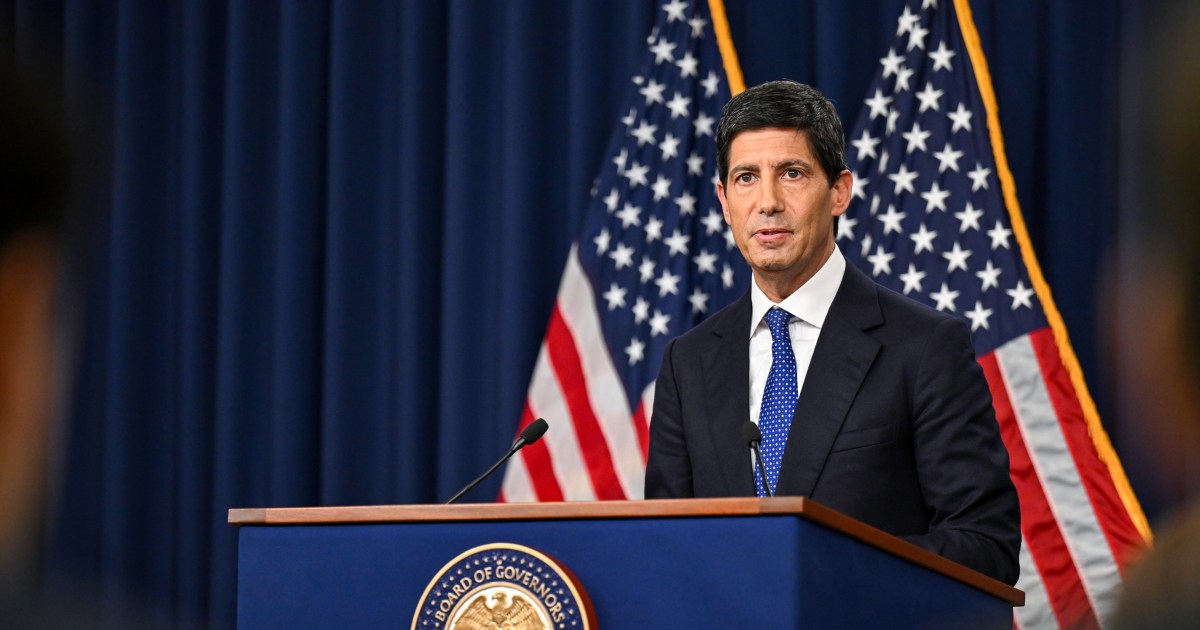
The Federal Reserve is expected to leave interest rates unchanged Wednesday at its last rate-setting meeting before the midterm elections, despite rising inflation and voters’ concerns about the cost of living.
Fed officials raised the benchmark rate by a quarter of a percentage point in September after a string of inflation readings above the central bank’s 2% target, NBC News reported. “The plain fact is that inflation is too high and has been for too long,” Fed Chair Kevin Warsh said at the time. The annual inflation rate subsequently rose to 3.7% in September from 3.4% in August.
Several officials have signaled they can wait before deciding whether to raise rates again. “Inflation remains above our goal,” Michelle Bowman, the Fed’s vice chair for supervision, said Oct. 14. “We have some time to wait and see how financial conditions evolve before we take more action.”
San Francisco Fed President Mary Daly said she did not feel an urgent need to decide “with a limited set of information.” Fed governor Christopher Waller said increases need not come at consecutive meetings, though they should occur “in an acceptable period of time.” Most Fed economists expect another increase before the end of the year, The Guardian reported.
Others question a pause. “The case for skipping [a rate hike in] October is not terribly compelling,” Deutsche Bank analysts wrote, according to NBC News. The analysts also said the Fed might prefer to avoid headlines from a rate increase just before an election in which affordability is a central concern.
The Guardian reported that rates are at one of their highest pre-election levels in more than 20 years. Higher rates can slow price increases, but they also raise borrowing costs on loans, including credit cards and mortgages. President Donald Trump criticized the September increase, saying U.S. interest rates “should be 1% or less,” The Guardian reported.
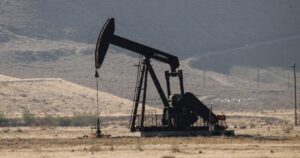
The Guardian linked much of this year’s inflation to the war with Iran. It reported that oil briefly traded above $117 a barrel earlier this week, its highest price in more than six months, amid the closure of the strait of Hormuz. Nicholas Economides, an economics professor at NYU Stern Business School, said rate increases cannot by themselves address inflation caused by supply disruptions and could slow the economy.
Warsh described the limits of the Fed’s response at its September meeting. “We cannot affect any individual price, whether it be oil prices, whether it be foodstuffs at the grocery store,” he said. But the Fed can work to prevent those price changes from spreading through the economy, he said: “That’s what we’re tasked to do, and that’s what we will do.”
With control of Congress at stake Tuesday, an NBC News poll found Trump’s approval at 27% on his handling of the cost of living and 29% on the Iran war. Two-thirds of respondents called rising gas prices a very or somewhat serious problem, while more than half said economic conditions had changed the kinds of groceries they buy.
White House National Economic Council director Kevin Hassett called the latest inflation figure “a disappointing number.” Asked why voters viewed the economy negatively despite higher spending, he said, “It’s a puzzle that we’re noodling about every day.”





Be First to Comment