Key takeaways:
- The Fed unanimously raised its benchmark rate by 0.25 percentage points to a target range of 3.75% to 4.00%.
- Inflation was 3.4% in August, above the Fed’s 2% target, as gasoline averaged about $4.36 to $4.37 a gallon and diesel reached $6.31.
- All but two Federal Open Market Committee members projected another rate increase later this year, NBC News reported.
The Federal Reserve raised interest rates Wednesday for the first time since 2023, lifting borrowing costs as higher fuel prices tied to the U.S.-Iran war push inflation further above the central bank’s target.
The Fed increased its benchmark federal funds rate by 0.25 percentage points, or 25 basis points, to a target range of 3.75% to 4.00%. The decision was unanimous, according to NBC News and Talking Points Memo. Fed policymakers also signaled that another increase could come before the end of the year, with all but two members of the Federal Open Market Committee projecting an additional rate hike, NBC News reported.
“Economic activity is expanding at a solid pace. While uncertainty remains elevated owing, in part, to geopolitical developments, domestic spending has been resilient,” the Fed said in its statement. “Inflation remains elevated. Today’s policy action will support a timelier return to the Committee’s 2 percent goal. The Committee will deliver price stability.”
The move reverses expectations from earlier in the year, when inflation had been cooling and many economists anticipated rate cuts in 2026, CBS News reported. Instead, the Consumer Price Index rose at an annual rate of 3.4% in August, well above the Fed’s 2% target. Al Jazeera reported that consumer prices rose 0.4% in August, the largest monthly increase in four months, while the job market remained healthy. Employers added 162,000 jobs, according to Bureau of Labor Statistics data cited by Talking Points Memo.
Energy prices have been a central driver. NBC News reported that oil prices have surged more than 75% this year and that gasoline prices have climbed more than 45% since the Iran war began. Al Jazeera reported that Brent crude hovered near $109 on Tuesday. AAA data cited by Al Jazeera and CBS News showed gasoline averaging about $4.36 to $4.37 a gallon, up from $4.06 a month earlier. Diesel reached $6.31 a gallon, the highest recorded average, according to the reports; CBS News said that marked a 71% jump from a year earlier.
The increase comes despite repeated calls from President Donald Trump for lower interest rates. Trump has argued that lower borrowing costs would help affordability ahead of the midterm elections. On Sept. 4, he wrote on Truth Social: “Lower the interest rates because the U.S.A. is a much stronger credit than it was just a short time ago! LOWER THE RATE OR I’LL STOP TRADING WITH COUNTRIES WITH WHICH WE HAVE A DEFICIT… BE PATRIOTS for a change.”
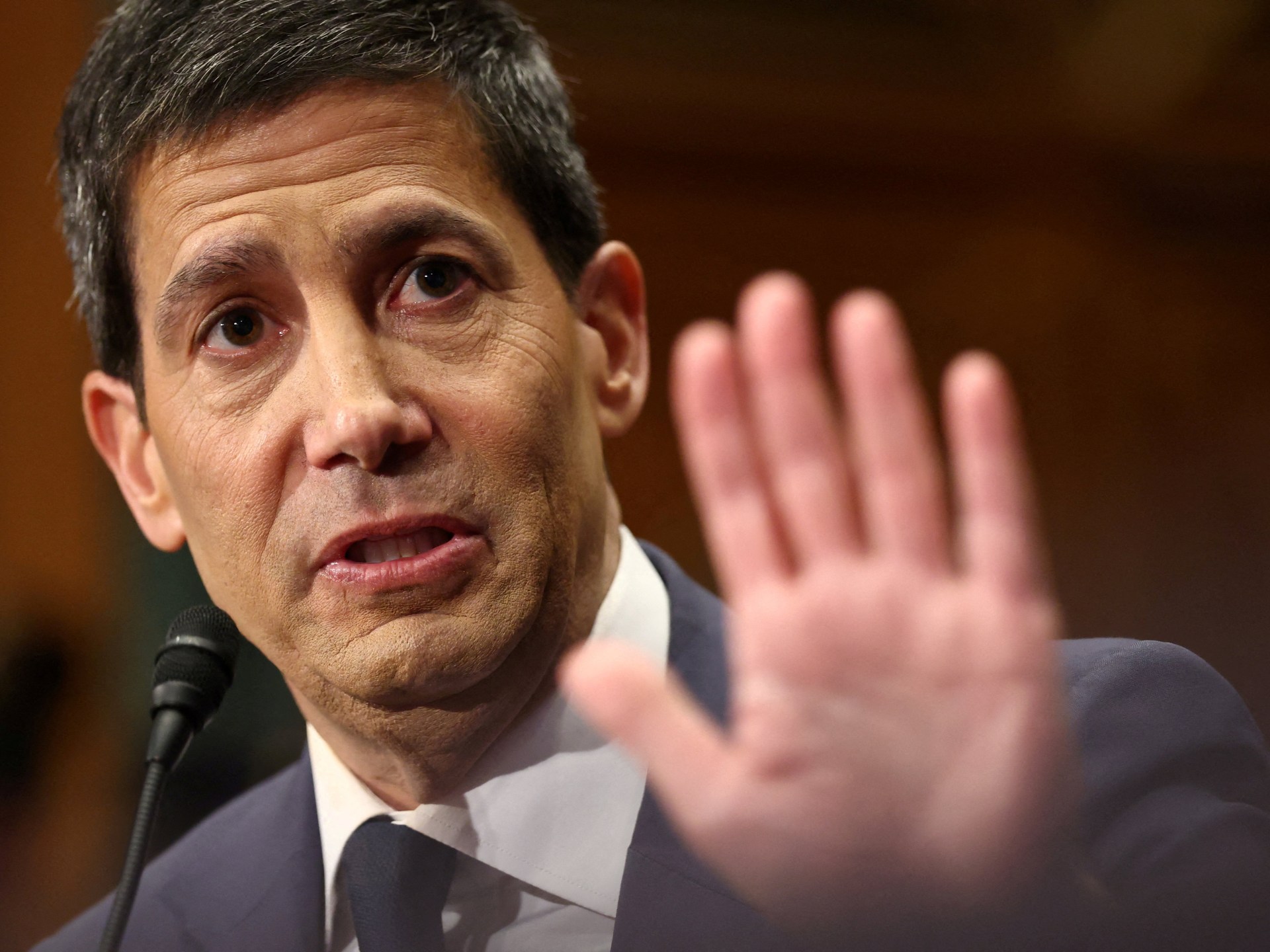
Fed Chair Kevin Warsh, nominated by Trump, had faced questions about the central bank’s independence. NBC News reported that Trump told the network in February that Warsh would not have received the nomination unless he wanted to lower rates. The Guardian reported that Warsh has emphasized since taking over in May that he is committed to the Fed’s independence from political pressure.
The decision was widely expected by the time it was announced. CME FedWatch, which tracks market expectations for Fed decisions, showed a 92.3% chance of a quarter-point increase, up from 40% a week earlier, Al Jazeera reported. The 10-year Treasury yield also rose above 5% on Tuesday, reaching 5.02%, its highest level in 19 years, according to Al Jazeera.
Michael Klein, a professor of international economic affairs at Tufts University’s Fletcher School, told Al Jazeera that the economy is in “an unusual place,” with unemployment at a comfortable level but inflation still above target. “There [has been] a lot of pressure on Chairman Warsh to raise interest rates because of inflation coming in high and that has been compounded by concerns about Trump’s pressure,” Klein said.
Some economists criticized the expected hike before the decision, arguing that higher rates cannot address the sources of the price increases. “The Fed’s toolkit was not built for this,” Elizabeth Pancotti of the Groundwork Collaborative told Talking Points Memo. “Interest rates can cool demand. They cannot lower a tariff, reopen a shipping lane, or bring down the price of a barrel of oil.”





Be First to Comment