Key takeaways:
- Interest rate traders expect the Fed to keep the federal funds rate near 3.6%, but CME FedWatch shows a 90% probability rates will be at least 0.25 percentage points higher by January.
- Inflation has remained above the Fed’s 2% target for more than five years, with NPR reporting that the annual rate reached 4.2% in May before cooling somewhat last month.
- War with Iran, new Trump administration tariffs and AI-related demand for electricity, building materials and computer chips are among the pressures policymakers are weighing.
Federal Reserve policymakers headed into Wednesday’s interest rate vote facing a difficult choice: hold borrowing costs steady for now or raise them to fight inflation that remains above the central bank’s target.
Interest rate traders broadly expect the Federal Open Market Committee to keep the federal funds rate at about 3.6%, where it has been since December. But investors also see a possibility of a rate increase, and futures contracts tracked by CME FedWatch point to a 90% probability that rates will be at least a quarter-point higher by January, NBC News reported.
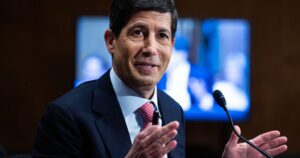
The debate comes as the U.S. economy shows signs of stability in some areas, especially the labor market, while inflation remains a strain on households and businesses. Federal Reserve Chairman Kevin Warsh, who took over from Jerome Powell in May, told lawmakers earlier this month that the central bank remains focused on restoring price stability.
“My colleagues and I recognize that high inflation has been an undue burden on American households and businesses,” Warsh told the Senate Banking Committee, according to NPR. “The members of our committee have no tolerance for persistently elevated inflation and we share a resolute commitment to restore price stability.”
Inflation has stayed above the Fed’s 2% target for more than five years. NPR reported that a wartime spike in gasoline prices pushed the annual inflation rate to 4.2% in May, its highest level in more than three years, though inflation cooled somewhat last month. NBC News reported that some recent inflation indicators have begun to decline, but energy and wholesale price increases remain elevated.
Dallas Federal Reserve President Lorie Logan has argued for “modestly” higher rates. “Every month of above-target inflation has compounded the strain on Americans’ budgets,” she said in remarks earlier this month.
Higher interest rates are meant to slow economic activity and reduce inflation. But they also make borrowing more expensive for consumers and small businesses. NBC News reported that current rates have already pushed financing costs out of reach for many buyers, cutting into sales of autos and industrial equipment.
Warsh told lawmakers the labor market remains resilient. “America’s labor force appears to be broadly stable,” he said. “Job creation has kept pace with the workforce. The unemployment rate [is] quite low and has changed little, quite frankly, over the last year.”
Still, policymakers are weighing price pressures that higher rates may not easily solve. NBC News reported that high energy prices tied to the war with Iran and the Trump administration’s latest tariffs are helping keep consumer prices elevated. “Hiking [interest rates] doesn’t open up the Strait of Hormuz or end the war,” said Adam Turnquist, chief technical strategist at LPL Financial.
Trump’s latest tariffs, a blanket rate of 10% to 12.5% on dozens of U.S. trade partners, have added uncertainty, NBC News reported. Several targeted trade partners say the U.S. rationale — combating forced labor — is a false pretense. The tariffs were challenged in federal trade court within days of their announcement, placing them in legal limbo as importers prepare to pay them.
Artificial intelligence is also becoming a factor in the Fed’s outlook. NPR reported that major tech investment in AI is supporting the economy and stock market, while data center growth is raising demand for building materials, electricity and computer chips. Warsh said AI could eventually improve productivity and wages, but warned, “between the short-term and the long-term, it can have a disruptive effect.”
Warsh has established several outside-led task forces to advise the central bank, including one focused on AI. NPR reported that the groups are expected to make recommendations by the end of the year.





Be First to Comment