Key takeaways:
- The Fed kept its benchmark interest rate unchanged at 3.5% to 3.75% in a unanimous vote.
- Nearly half of FOMC members indicated they could support a rate hike later this year.
- Fed projections now show PCE inflation reaching 3.6% by year-end, up from a March forecast of 2.7%.
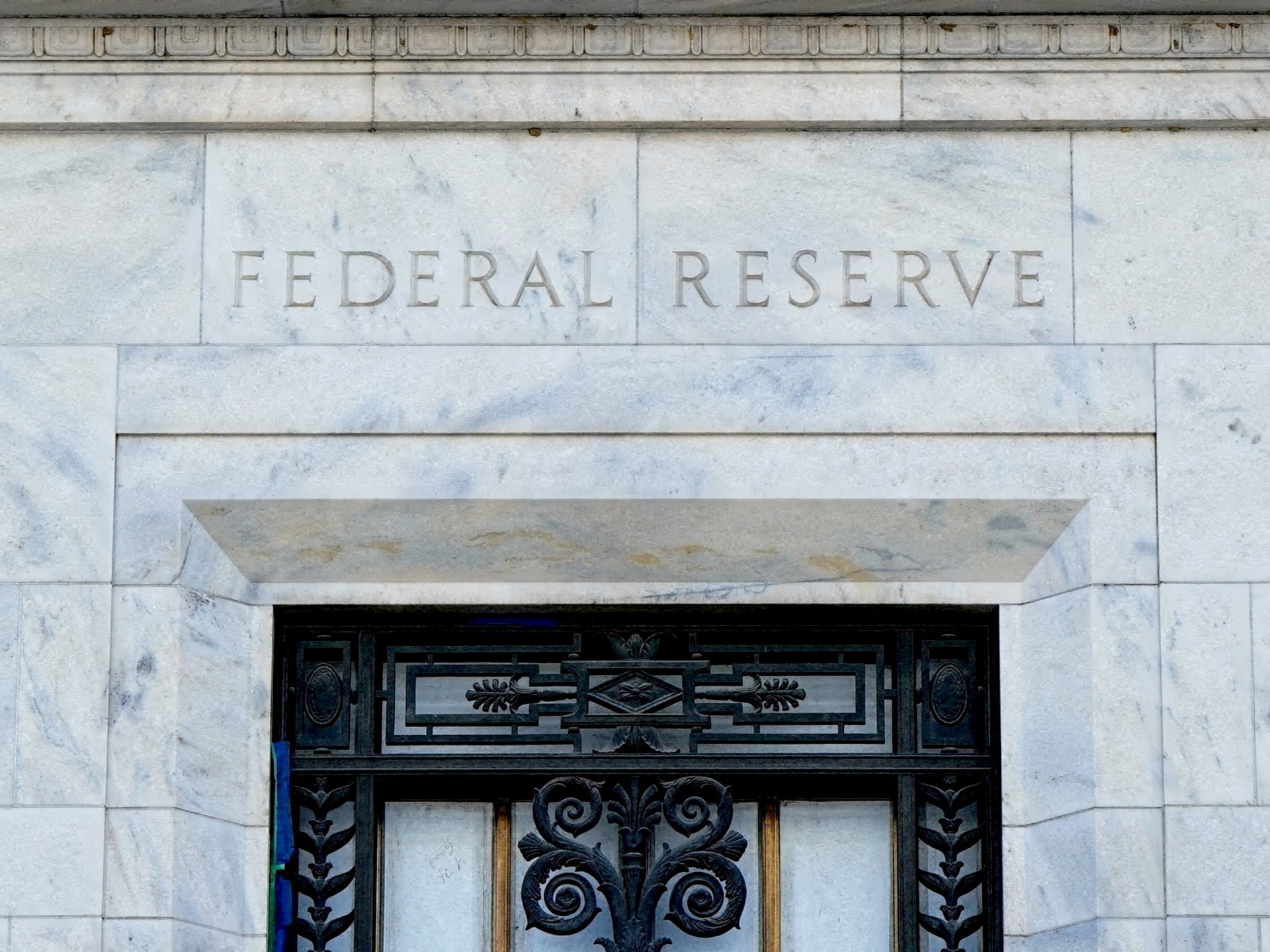
The Federal Reserve kept interest rates unchanged Wednesday, but its new projections showed a central bank increasingly wary of inflation, with nearly half of policymakers signaling they could support a rate increase later this year.
The Federal Open Market Committee voted unanimously to hold the federal funds rate in a range of 3.5% to 3.75%, where it has stood since December. It was the Fed’s fourth hold this year and the first policy meeting led by Kevin Warsh, President Donald Trump’s appointee to succeed Jerome Powell as chair.
The decision was widely expected. Al Jazeera reported that CME FedWatch, which tracks market expectations for monetary policy, had put the odds of no change at 99% before the announcement.
“Economic activity is expanding at a solid pace despite elevated uncertainty that owes, in part, to the conflict in the Middle East,” the Fed said in a shorter-than-usual statement. “Productivity growth and capital investment are strong. Job gains have kept pace with the workforce, and the unemployment rate has changed little.”
The Fed also said inflation remains above its 2% goal, “in part reflecting supply shocks that have driven price increases in certain sectors, including energy.”
Warsh called attention to the streamlined statement at his news conference. “You might have already noticed something, a difference in today’s policy statement,” he said. “It’s a bit shorter, a bit simpler and it dispenses with some older language. That statement just gives you the facts as best we can judge it.”
One notable omission was the Fed’s prior easing bias — language that had suggested the central bank was leaning toward cutting rates as its next move. The Guardian reported that three Fed governors dissented last month over the inclusion of that language.
Inflation has climbed to 4.2%, its highest level since 2023, according to the Guardian and Al Jazeera. Al Jazeera, citing Labor Department consumer price index data, reported that energy prices jumped 23.5% in May. Oil prices have since fallen to a three-month low after news of a possible ceasefire deal between the U.S. and Iran and the reopening of the Strait of Hormuz, but the reports said supply bottlenecks, production disruptions and depleted fuel stockpiles could keep consumer energy prices elevated for months.
The Fed’s Summary of Economic Projections showed a sharp upward revision to inflation expectations. CBS News reported that policymakers now expect the personal consumption expenditures index to reach 3.6% by year-end, up from a March projection of 2.7%. Excluding volatile energy and food prices, inflation is projected at 3.3%, also above the earlier 2.7% estimate. Oxford Economics said the median official now expects headline and core inflation above 3% by the end of this year, with core inflation reaching 2.5% by the end of 2027.
Labor market data offered a mixed picture. The unemployment rate has held at 4.3%, while core inflation has risen mildly to 2.9% from a year earlier, according to the Guardian. The outlet also reported that hourly earnings dropped to a seasonally adjusted 0.7%, indicating that price increases have eroded wage gains over the past year.
Trump has continued to press for lower rates, though he said on NBC’s Meet the Press that he does not “want to have a big influence” on Warsh. “Kevin is fantastic, and I want him to do whatever he wants,” Trump said, while reiterating his desire for a rate cut. Al Jazeera reported that Trump also said “there’s no reason to raise rates.”
Analysts said the Fed’s path remains uncertain. “Today’s meeting confirms that the Fed’s recent hawkish shift was not just about higher energy prices,” Kay Haigh of Goldman Sachs Asset Management said, adding that the firm’s base case is that the Fed can “just about avoid hikes,” though “the path is narrow.”


Be First to Comment