The Supreme Court allowed Federal Reserve Gov. Lisa Cook to remain in office while her challenge to President Trump’s attempted firing proceeds. In a separate ruling, the court expanded Trump’s power to remove FTC commissioners and other independent agency officials.
Posts tagged as “Jerome Powell”
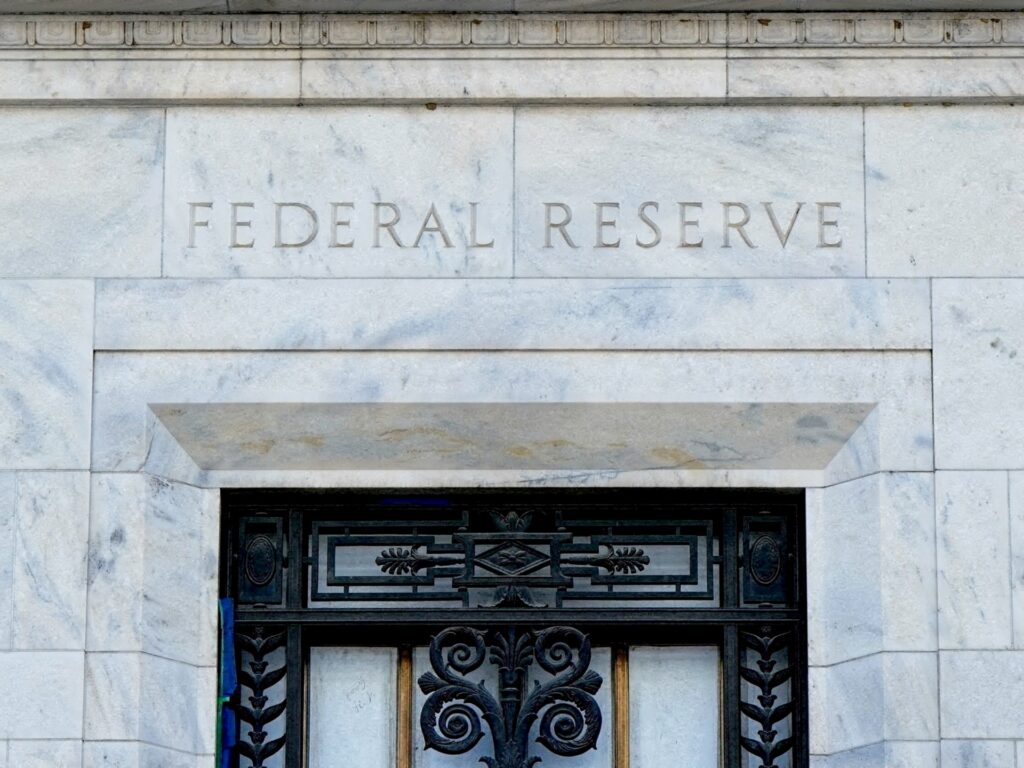
The Federal Reserve unanimously held interest rates at 3.5% to 3.75% in Kevin Warsh’s first meeting as chair. New projections showed inflation expectations rising and nearly half of policymakers open to a rate hike later this year.
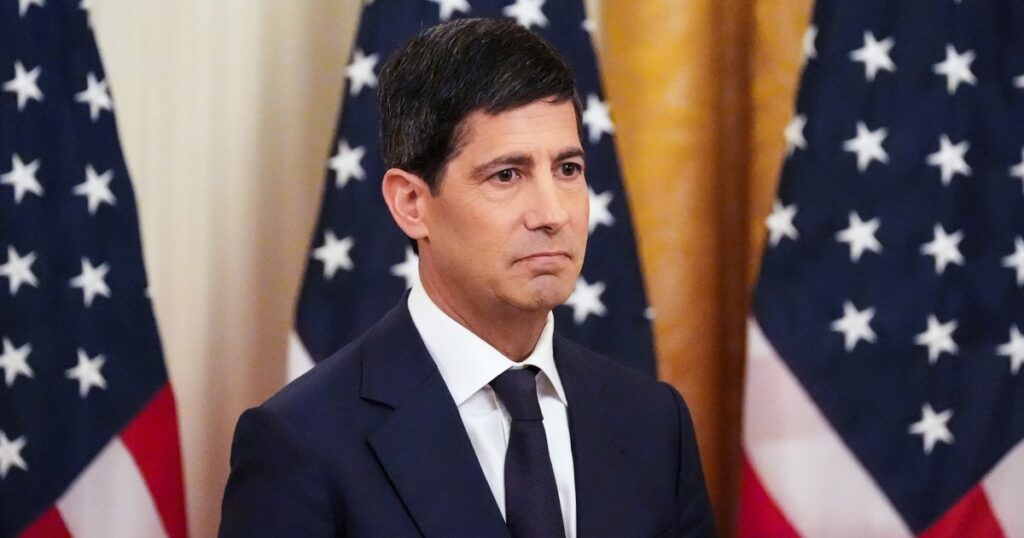
Kevin Warsh chairs his first Federal Reserve rate meeting as inflation rises and energy prices remain elevated after the U.S.-Iran conflict. Investors will watch the policy statement, news conference and dot plot for signs of the new chairman’s approach.
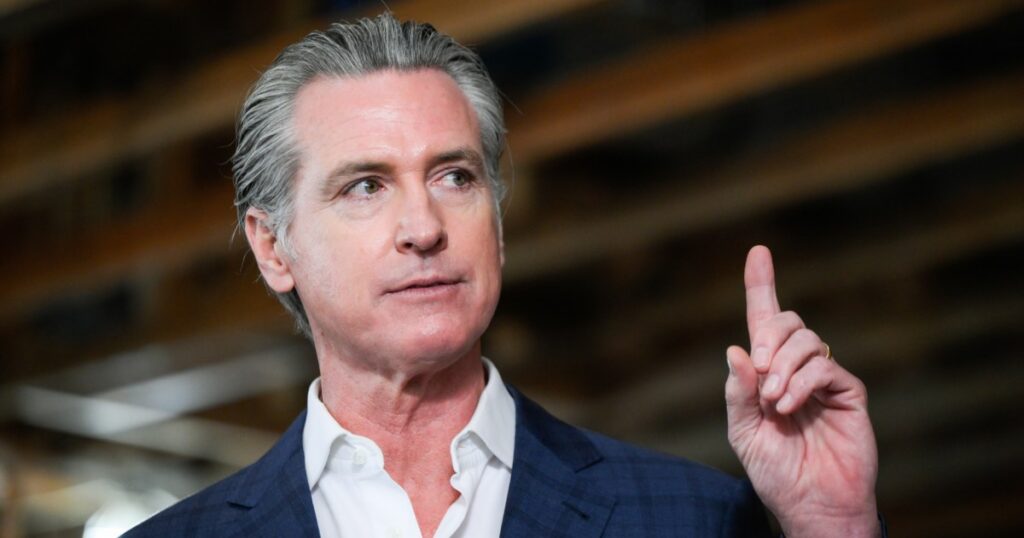
California Gov. Gavin Newsom said President Donald Trump directed the Justice Department to investigate him and his wife, calling the inquiry politically motivated. Newsom said federal agents have contacted family friends and former employees and demanded records.
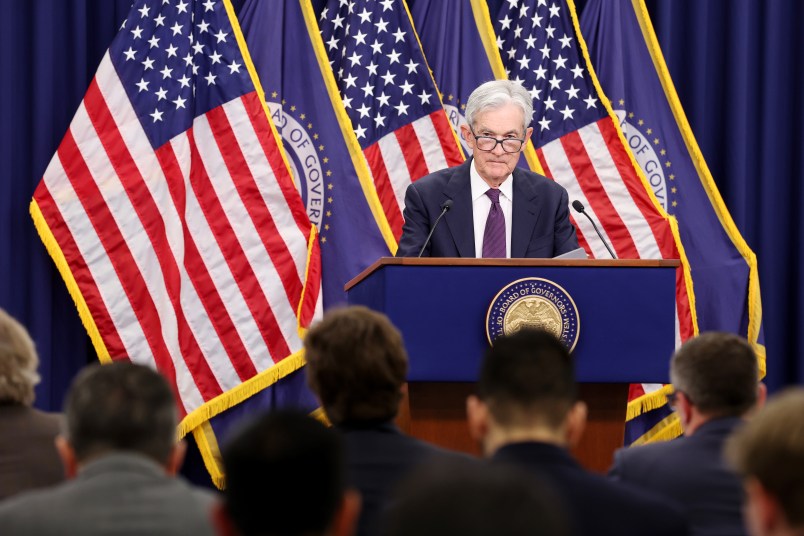
The Senate Banking Committee advances Kevin Warsh's nomination for Federal Reserve chair amid partisan divisions and ongoing political controversy. Meanwhile, current Chair Jerome Powell announces he will remain on the Fed board after his term ends, citing political pressures and investigations.
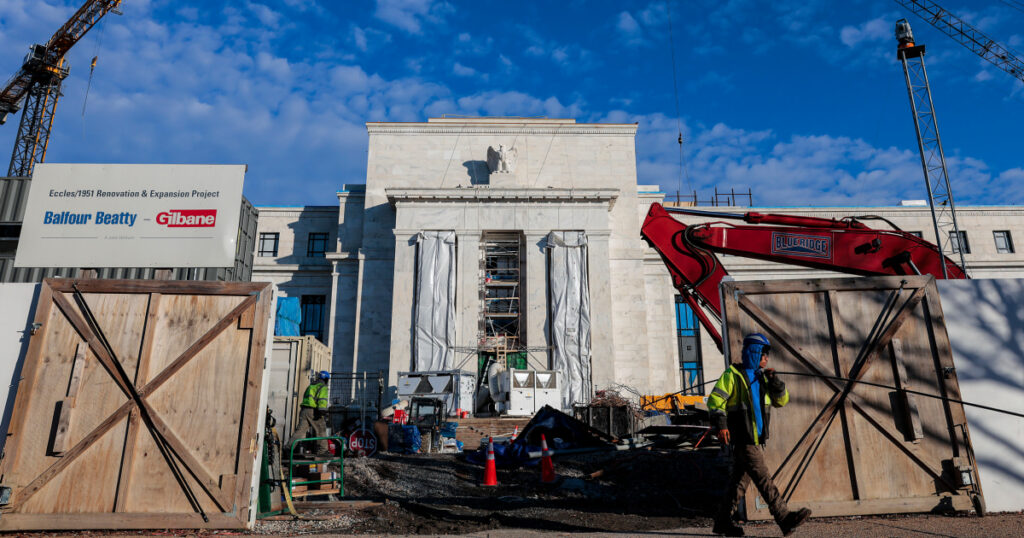
Prosecutors from Jeanine Pirro's office attempted an unannounced visit to the Federal Reserve's renovation site but were denied access amid a criminal investigation into Fed Chair Jerome Powell. The probe and visit have complicated the confirmation of President Trump's nominee to succeed Powell.
Federal Reserve Holds Interest Rates Steady Amid Middle East Conflict and Rising Inflation Pressures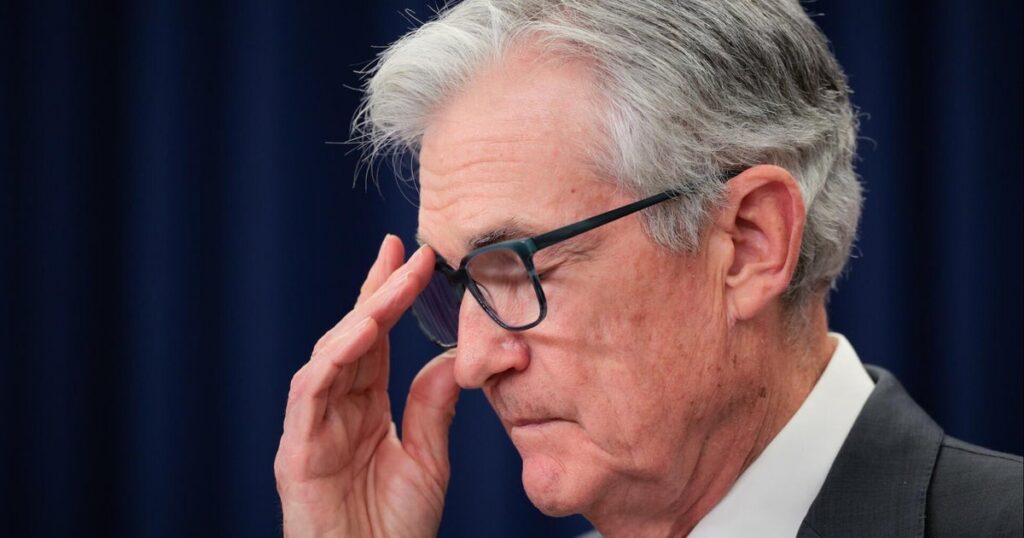
Federal Reserve Holds Interest Rates Steady Amid Middle East Conflict and Rising Inflation Pressures
The Federal Reserve announced it will keep its benchmark interest rate steady at 3.5% to 3.75%, marking a second consecutive pause amid economic uncertainty driven by geopolitical tensions in the Middle East. Rising energy prices due to the conflict between the U.S., Israel, and Iran have intensified inflationary pressures, while recent economic data showed unexpected job losses and higher wholesale inflation. Federal Reserve Chair Jerome Powell is expected to provide further guidance on monetary policy amid these challenges, with potential rate cuts later in 2026 remaining uncertain.
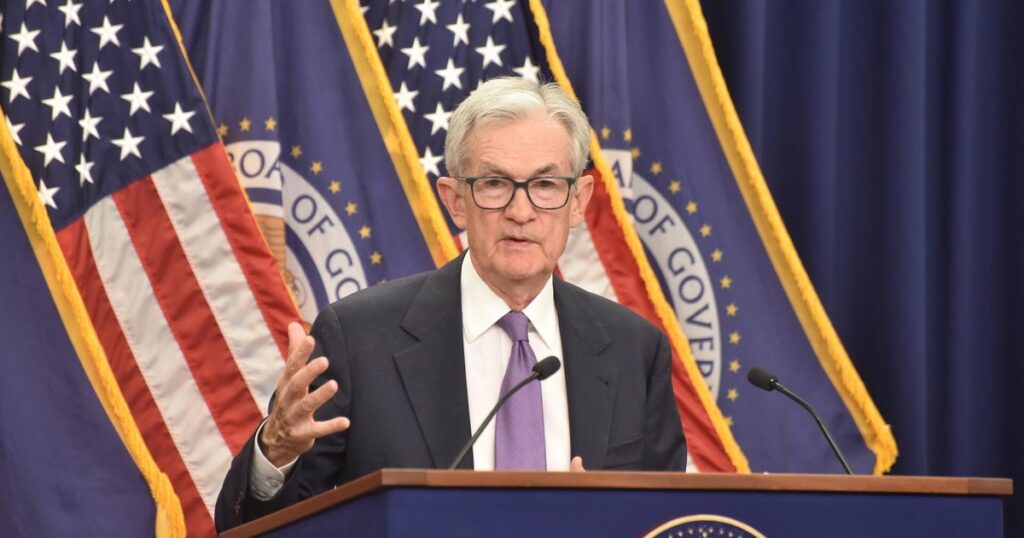
A federal judge dismissed grand jury subpoenas targeting Federal Reserve Chair Jerome Powell, ruling they were intended to pressure him rather than investigate legitimate criminal conduct. The investigation, led by U.S. Attorney Jeanine Pirro, focused on Powell’s testimony about a costly Federal Reserve renovation project but was criticized as politically motivated, especially given President Trump’s public attacks on Powell for resisting interest rate cuts. The ruling blocks the subpoenas, prompting plans for an appeal from the Justice Department, while some lawmakers welcomed the decision as a check on a weak investigation.