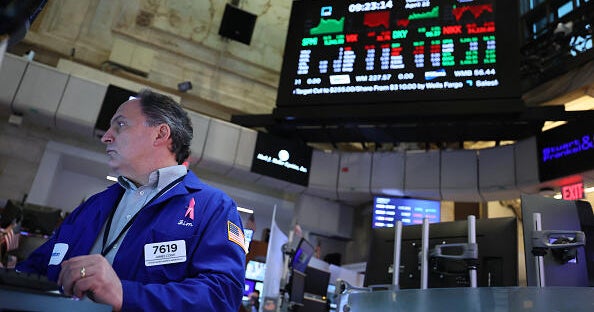
Businesses are facing challenges due to tariffs imposed by President Trump, as they receive notifications of rising costs from suppliers and grapple with the uncertainty of passing these costs onto consumers. Meanwhile, financial markets experienced a significant boost following President Trump's comments on potentially reducing tariffs on China and his assurance of Federal Reserve Chair Jerome Powell's position, which alleviated investor concerns. Major stock indices, including the S&P 500, Nasdaq Composite, and Dow Jones Industrial Average, saw substantial gains, reflecting optimism about easing trade tensions and stable economic leadership.
Posts tagged as “Jerome Powell”
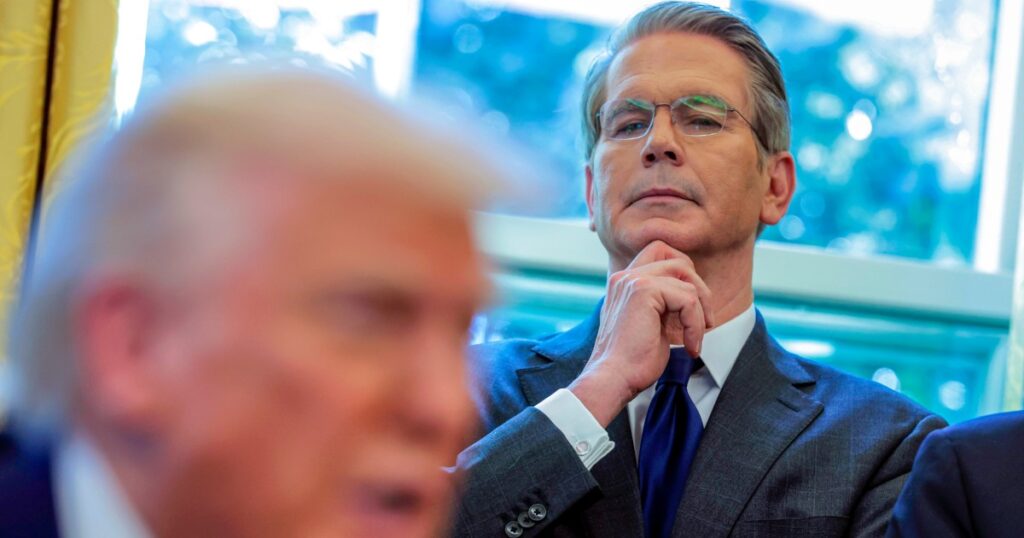
In a recent address at the Institute of International Finance, Treasury Secretary Scott Bessent emphasized the Trump administration's focus on rebalancing the U.S. economy towards manufacturing, highlighting that over 100 countries have approached the U.S. to address trade imbalances. He urged China to shift away from its export-led growth model, describing it as "unsustainable," and expressed the need for economic rebalancing between the two nations, aligning with the administration's goal of enhancing U.S. manufacturing. Amidst ongoing trade tensions, Bessent suggested the potential for a significant trade agreement with China, though he did not indicate any immediate changes to the administration's assertive trade policies.
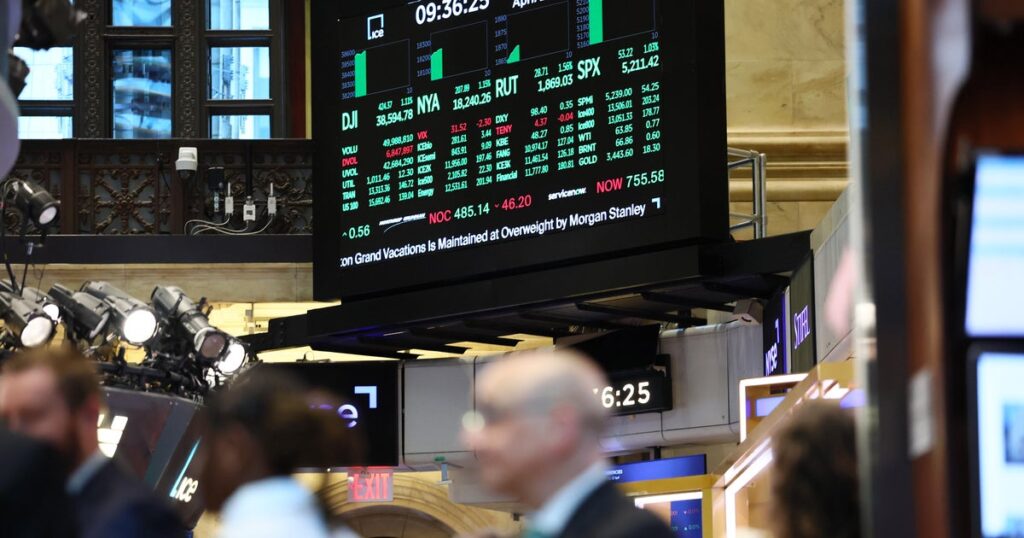
Recent developments in U.S. stock markets show an uplift following President Trump's conciliatory approach towards China tariffs and his assurance of no immediate changes in Federal Reserve leadership, particularly retaining Jerome Powell as Chair. This shift in stance led to a positive response in stock futures, with significant gains in S&P 500, Nasdaq Composite, and Dow Jones Industrial Average futures, as analysts noted increased demand for U.S. assets. Additionally, Elon Musk's decision to focus more on Tesla by reducing his advisory role to the Trump administration has been positively received, contributing to the overall optimistic outlook among investors.
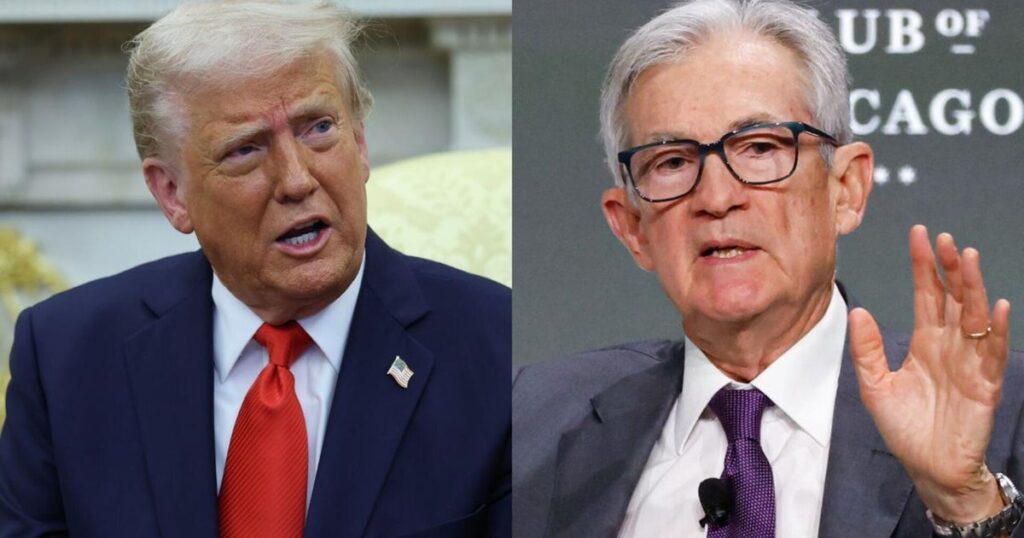
President Donald Trump has escalated his criticism of Federal Reserve Chair Jerome Powell, demanding immediate interest rate cuts to reduce borrowing costs, which he believes would boost economic growth. This public confrontation has led to declines in U.S. stock markets and a bond sell-off, as investors grow concerned about economic policy stability. The situation underscores broader political debates about the balance of power, with a recent survey revealing partisan divides over presidential authority, particularly among Republicans who tend to support Trump's assertive approach to influencing Federal Reserve decisions.
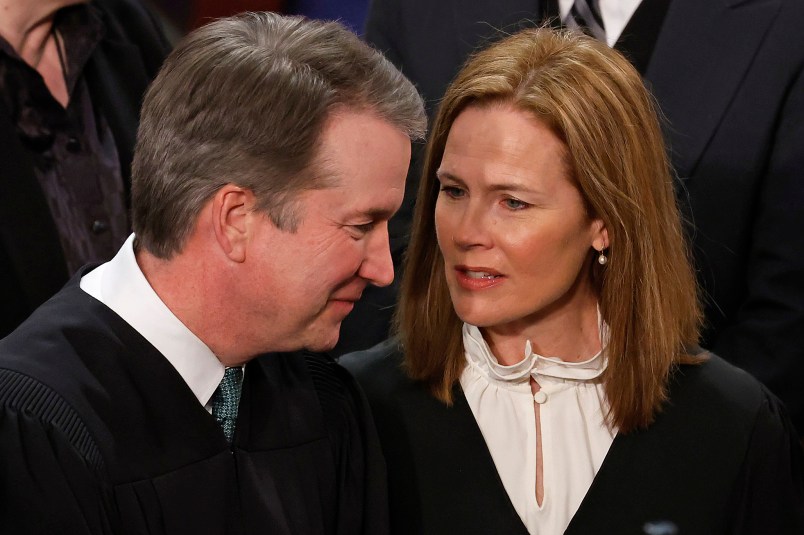
The Supreme Court will hear oral arguments on May 15 regarding the authority of judges to issue nationwide injunctions, following an emergency request from the Trump administration seeking to limit such judicial actions. This case is significant as it could impact the balance of power between the judiciary and the executive branch, determining the extent to which judges can intervene in nationwide policy decisions. Concurrently, speculation about President Trump's dissatisfaction with Federal Reserve Chair Jerome Powell highlights the complexities of governance and the challenges the administration faces in implementing its policies.
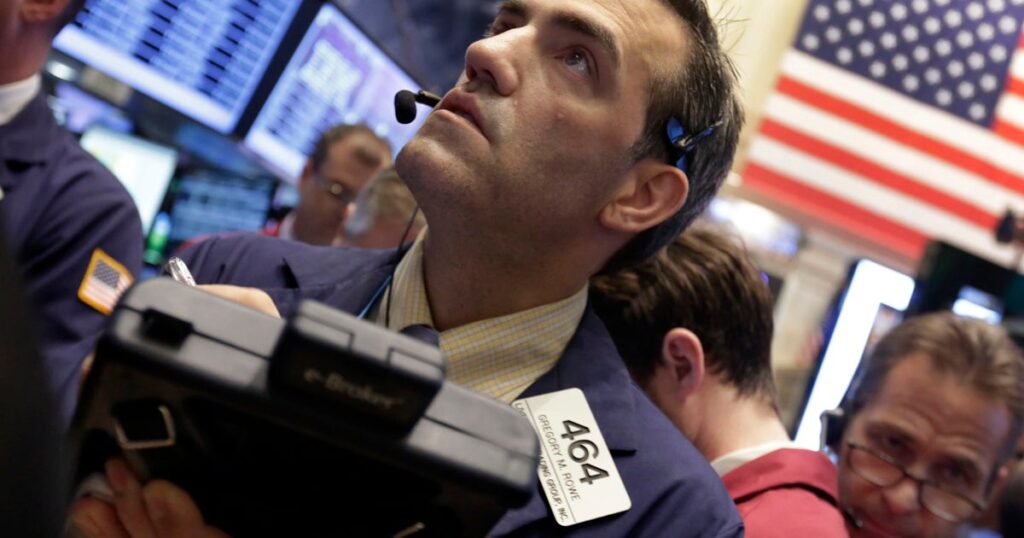
On April 2, the United States plans to implement tariffs on major trading partners, a move dubbed "Liberation Day" by President Trump, which is expected to lead to higher borrowing costs, increased prices, and stock market volatility. The Federal Reserve's decision to maintain current interest rates, due to concerns over trade policies, was followed by a dip in market performance, highlighting the market's sensitivity to such developments. Financial experts advise consumers to be cautious, manage finances wisely, and consider making planned big-ticket purchases, while Federal Reserve Chair Jerome Powell warns of the potential negative impact of tariffs on economic growth.
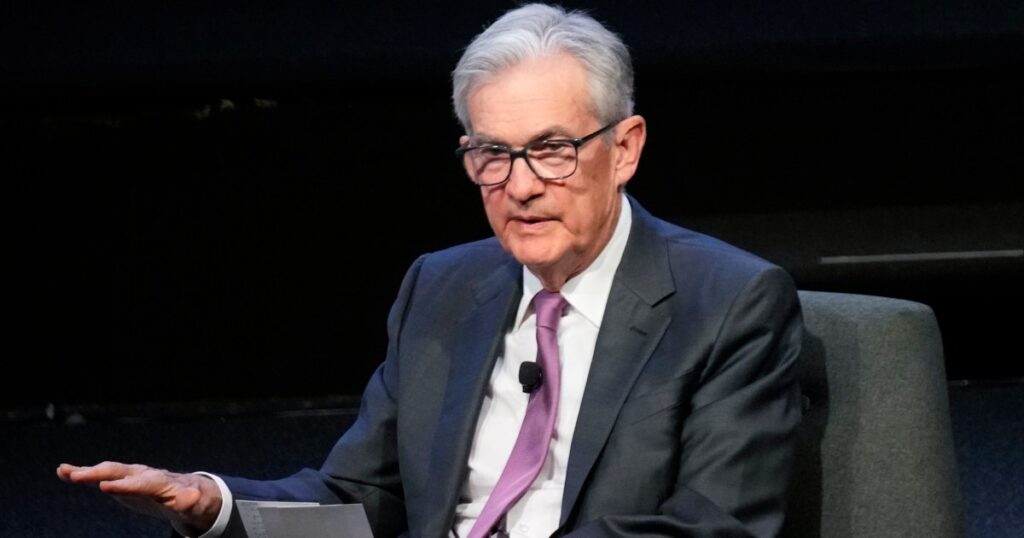
The Federal Reserve has left interest rates unchanged, citing strong economic growth and a strong jobs market. Federal Reserve Chairman Jerome Powell noted that the central bank is committed to using all of its tools to keep inflation in check and ensure that the economy remains strong. The Fed is open to additional rate hikes should inflation quicken in coming months.

The Federal Reserve has warned banks to be more conservative in their lending practices following the failure of three of the nation’s 30 largest banks in the last two months. Jerome Powell raised interest rates by 0.25% to a target range between 5.00% and 5.25%. PacWest Bancorp, a $44 billion bank, is now considering its strategic options, including a possible sale, a breakup, or trying to raise capital.