U.S. employers added 57,000 jobs in June, missing forecasts as prior months were revised lower. The unemployment rate fell to 4.2%, but wage growth remained below inflation and leisure and hospitality jobs declined sharply.
Posts tagged as “The Labor Department”
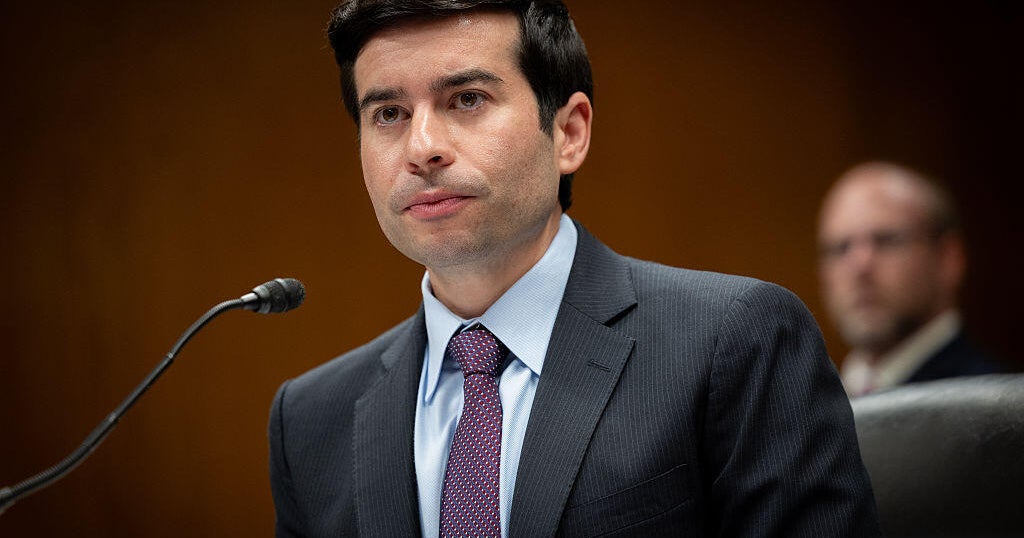
President Trump said he will nominate acting Labor Secretary Keith Sonderling to permanently lead the department. The Senate-confirmed role follows Lori Chavez-DeRemer’s departure amid reported misconduct scrutiny.
The Federal Reserve unanimously held interest rates at 3.5% to 3.75% in Kevin Warsh’s first meeting as chair. New projections showed inflation expectations rising and nearly half of policymakers open to a rate hike later this year.
U.S. consumer prices rose 4.2% in May from a year earlier, the fastest increase since April 2023. Energy costs, especially gasoline, drove much of the rise as conflict disrupted oil shipping through the Strait of Hormuz.
Federal Reserve Holds Interest Rates Steady Amid Middle East Conflict and Rising Inflation Pressures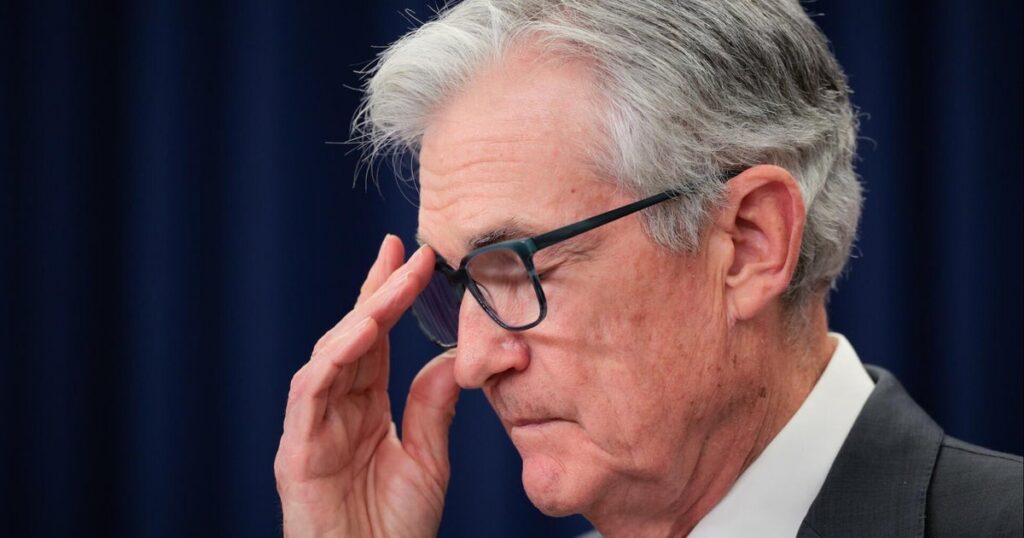
Federal Reserve Holds Interest Rates Steady Amid Middle East Conflict and Rising Inflation Pressures
The Federal Reserve announced it will keep its benchmark interest rate steady at 3.5% to 3.75%, marking a second consecutive pause amid economic uncertainty driven by geopolitical tensions in the Middle East. Rising energy prices due to the conflict between the U.S., Israel, and Iran have intensified inflationary pressures, while recent economic data showed unexpected job losses and higher wholesale inflation. Federal Reserve Chair Jerome Powell is expected to provide further guidance on monetary policy amid these challenges, with potential rate cuts later in 2026 remaining uncertain.

Inflation in the United States remained steady in February, with the Consumer Price Index rising 2.4% annually, slightly below expectations, before the recent surge in oil prices caused by the Iran conflict. The war has sharply increased gasoline prices and disrupted global oil supply via the Strait of Hormuz, raising concerns that energy cost spikes could reverse progress in controlling inflation. As the Federal Reserve prepares for its March interest rate decision, economic uncertainties—including weakening job growth and inflation risks—have led analysts to anticipate a cautious approach amid heightened uncertainty.
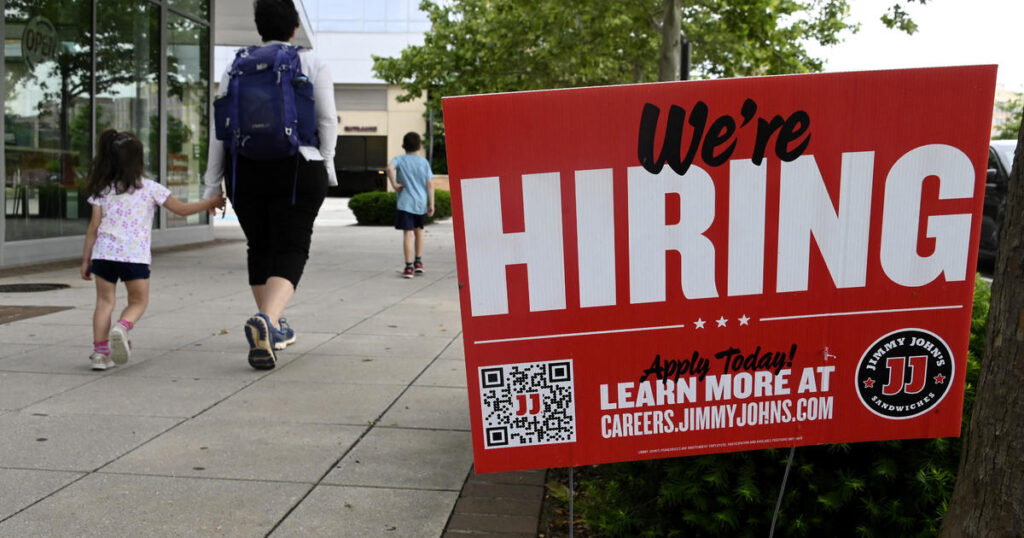
The U.S. economy added 199,000 jobs in November, exceeding expectations and signaling that businesses are still hiring despite signs of a slowing economy. The unemployment rate declined to 3.7%, the lowest rate since 1969, and average hourly earnings increased by 0.4% for the month and 4% from a year ago. The strong job growth and low unemployment rate are positive signs for the economy, but the Federal Reserve will be closely watching the data to determine the best course of action.
The U.S. economy saw job growth slow more than expected in October, with nonfarm payrolls increasing by 150,000 and the unemployment rate rising to 3.9%. The report confirms expectations of a slowdown in job growth, and could signal further slowing in the coming months. The Federal Reserve's third interest rate cut this year in October may take some heat off in its fight against inflation.