Key takeaways:
- The CBO estimated the Iran war cost the U.S. about $38 billion from Feb. 28 through Aug. 1, excluding repairs to damaged U.S. bases.
- Replacing munitions used through Aug. 1 would cost $21.7 billion, including $13.1 billion for missile-defense interceptors.
- The CBO said the war has raised energy-driven inflation and could leave inflation 0.5 percentage points higher than expected in early 2027.
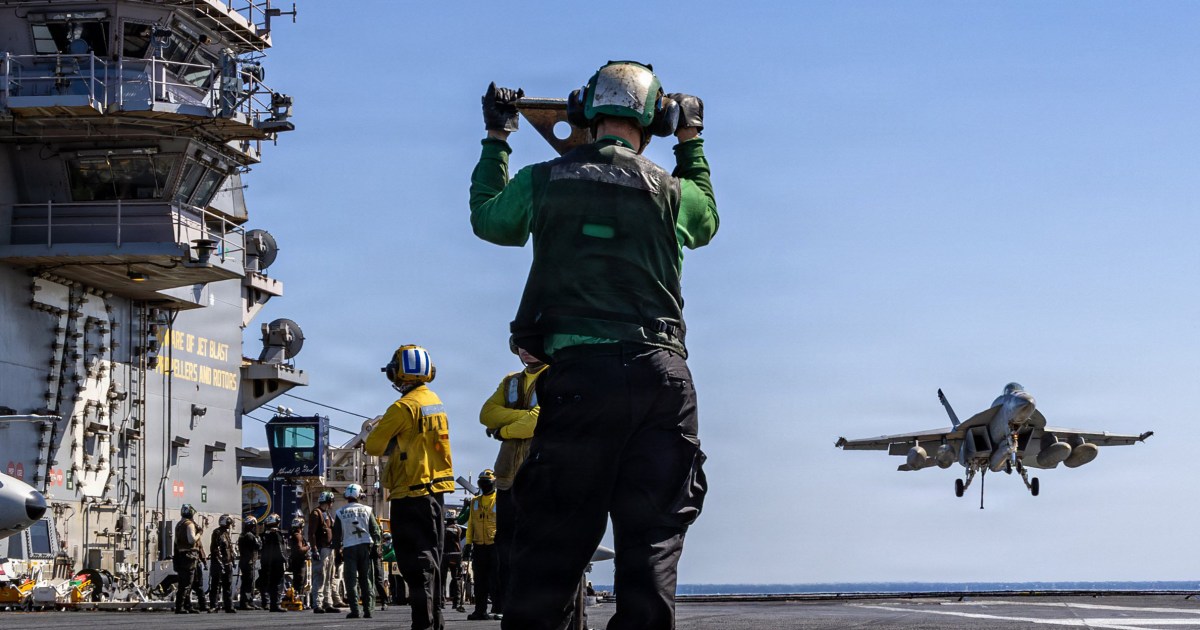
The war with Iran has cost the United States about $38 billion, pushed up energy prices and left key missile-defense stockpiles reduced for years, the nonpartisan Congressional Budget Office said in a report released Tuesday.
The CBO estimated that the conflict directly cost the U.S. about $38 billion from Feb. 28 through Aug. 1, not including the cost of repairing U.S. bases in the Middle East damaged by Iranian strikes. The office said continuing the war at a relatively low intensity would cost roughly $2 billion to $3 billion per month, with higher costs possible during escalations.
The report also found the war is feeding inflation. It said reduced oil and natural gas shipments through the Strait of Hormuz and the Red Sea have driven up energy costs, making the war responsible for more than one-third of this year’s inflation increase. The CBO estimated the conflict would account for more than 40% of inflation in the second quarter of 2026 and leave inflation about half a percentage point higher than previously expected in the first quarter of 2027.
Gasoline prices in the U.S. have risen 45% since the beginning of the war, reaching $4.32 a gallon as of Tuesday, according to NBC News. Diesel has increased 66% to a record $6.26. The CBO said higher inflation is likely to push borrowing costs higher. The typical 30-year mortgage rate was under 6% before the war began and stood at 7.22% Tuesday, according to Mortgage News Daily.
The largest share of the war’s direct cost is munitions. The CBO estimated it would cost $21.7 billion to replace weapons used through Aug. 1, including $13.1 billion for missile-defense interceptors, $7.3 billion for land-attack cruise missiles and $1.2 billion for other munitions. It said the U.S. has probably used between one-half and two-thirds of its inventory of Patriot and THAAD interceptors and Navy Standard Missile 3 and 6 interceptors since June 2025.
The CBO said the “large expenditure of missile defense interceptors” will leave the United States with a “reduced inventory of interceptors for several years.” Rebuilding those stocks “would probably take at least five years, even if production was increased,” the report said. It warned that the shortfall would be “especially problematic” in a potential conflict involving large numbers of ballistic and cruise missiles, citing China’s arsenal and a hypothetical conflict over Taiwan.
The report followed a Pentagon inspector general review that found the war had caused “strategic inventory shortfalls and revealed industrial base bottlenecks for munitions resupply.” The inspector general said the U.S. spent $22.3 billion on munitions through June 30 and $33.4 billion overall from Feb. 28 to June 30.
The White House and Pentagon disputed concerns about shortages. “The United States Military has more than enough munitions, ammo, and stockpiles to serve all of the Commander-in-Chief’s strategic goals and beyond,” White House spokeswoman Anna Kelly said. President Donald Trump has said the U.S. has “virtually unlimited” ammunition and “far more than we need.” Defense Secretary Pete Hegseth described reporting on depleted stockpiles as “not true” in August.
The CBO said the Defense Department did not respond to its requests for information, forcing the office to rely largely on public reporting. The agency said it could not estimate the cost of repairing damaged bases because the Pentagon had not provided information about destroyed or damaged property or planned repairs. The report said Iranian strikes damaged or destroyed hundreds of buildings and structures at U.S. bases in Kuwait, Bahrain, Qatar, the United Arab Emirates, Saudi Arabia, Iraq, Oman and Jordan.
The CBO released the estimate after a request from Rep. Brendan Boyle of Pennsylvania, the top Democrat on the House Budget Committee. Boyle said in a statement to CBS News that the report showed the war had cost taxpayers “tens of billions of dollars and counting, while continuing to drive up costs.” Sen. Elizabeth Warren, D-Mass., called for an end to the war, describing it as “a one-two punch that’s burning a hole in Americans’ pockets and burning a hole in our munitions supply, hurting our military readiness.”











Be First to Comment