Key takeaways:
- Denmark said a Russian frigate fired two flares at a Fennec helicopter during a routine photographic mission in international waters off Gedser, with one flare passing close to the aircraft.
- Russian Ambassador Vladimir Barbin said Moscow would investigate but accused the Danish helicopter of provocative and dangerous manoeuvres near Russian warships.
- The incident coincided with NATO forces shooting down a drone over Lithuania and Polish air operations linked to Russian drone activity near Ukraine.
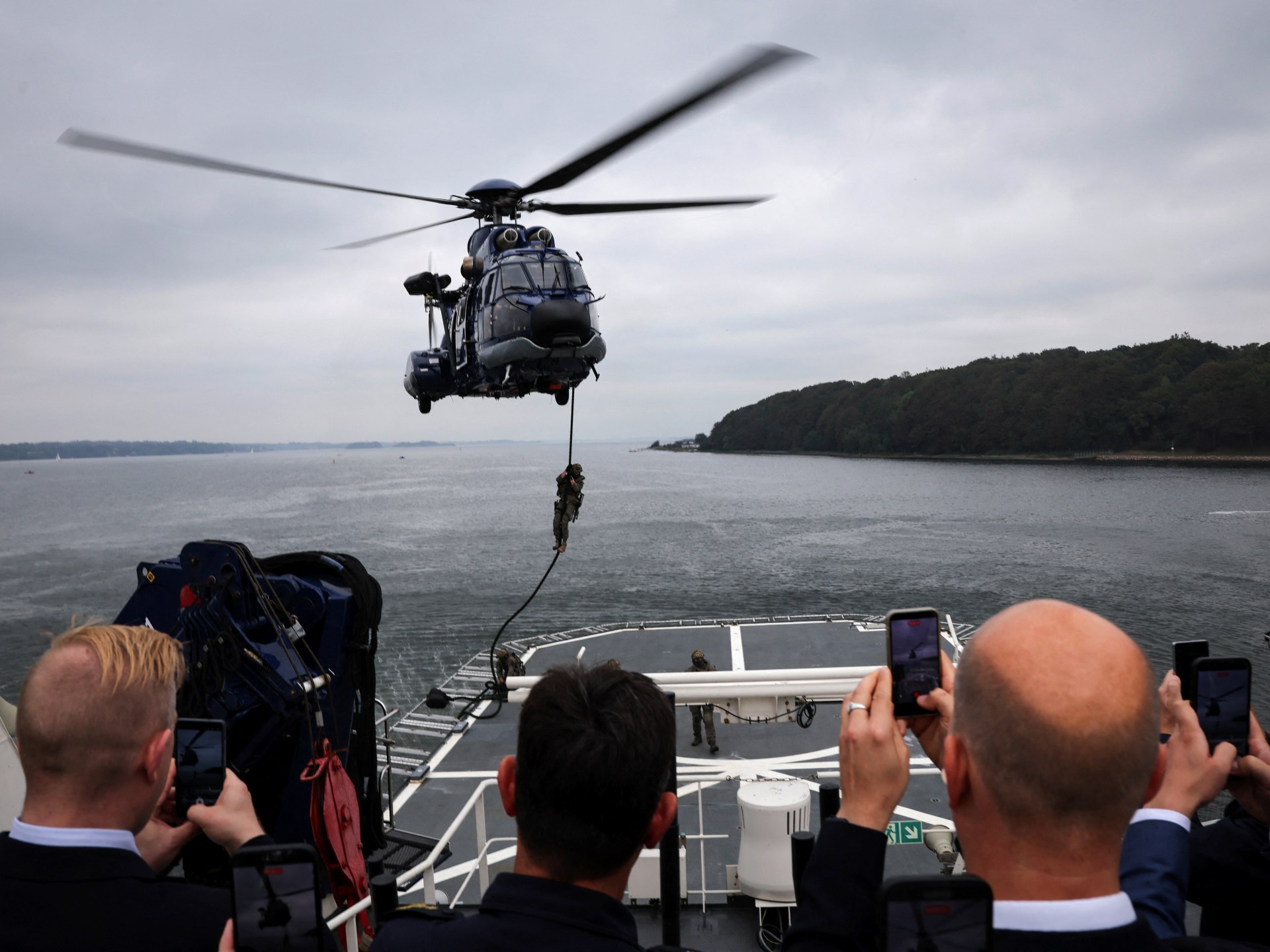
Denmark summoned Russia’s ambassador after a Russian warship fired two emergency flares at a Danish military helicopter during a monitoring mission over the Baltic Sea, in an encounter Copenhagen called “completely unacceptable” and Moscow blamed on “dangerous manoeuvres” by the aircraft.
The Danish armed forces said the incident happened Monday while an air force Fennec helicopter was conducting a routine photographic operation of a Russian frigate in international waters off Gedser, in southern Denmark. One of the two flares passed close to the helicopter, the military said.
Denmark’s Defence Minister Jeppe Bruus told TV 2 News that one flare passed within a “matter of metres” of the aircraft and accused Russia of “deeply unprofessional seamanship.” He told Reuters that the frigate’s crew had made no attempt to contact the helicopter.
Prime Minister Mette Frederiksen described the Russian action as “reckless” and said it was designed to “intimidate and divide.” She also called the incident serious but not surprising, describing it as part of a pattern of intensifying Russian hybrid warfare against Europe and testing NATO.
“Russia wants to sow fear and discord,” Frederiksen said, calling for closer unity and stronger defences for Denmark and Europe.
Danish Foreign Minister Lars Lokke Rasmussen accused Russia of “gradually shifting the boundary for what they consider acceptable behaviour,” adding: “That is something we cannot accept.” The Danish foreign ministry said it had summoned the Russian ambassador over the episode.
Russia rejected Denmark’s account of responsibility. Ambassador Vladimir Barbin said Moscow would “thoroughly investigate all the circumstances of the incident” but accused the Danish helicopter of “provocative actions.” He told Russia’s state news agency RIA Novosti that he had delivered a formal note demanding steps to prevent a repeat and said the helicopter’s conduct raised “serious concern about the possible consequences of such recklessness.”
Barbin said it was “not the first time that Danish Air Force helicopters have carried out dangerous manoeuvres near Russian warships.” He said he had complained last year about dangerous fly-bys and low hovering by a Danish helicopter over the Russian warship Vice-Admiral Kulakov, and added that the latest event showed that “communication problems lie not with the Russian Navy’s vessels, but with the Danish side.” Kremlin spokesman Dmitry Peskov declined to comment, saying he lacked details.
Asked whether Denmark would seek consultations under NATO’s Article 5, which treats an attack on one member as an attack on all, Bruus said the incident was being taken seriously, but “we are not there.”
The Danish Straits, where Al Jazeera reported most Danish incidents with Russia have taken place, are the Baltic Sea’s main shipping gateway and a key oil route, including for Russian oil tankers. Ships typically use flares as warning signals, Al Jazeera reported.
The confrontation came the same day NATO forces shot down a drone that entered Lithuania’s airspace, adding to security concerns along the alliance’s eastern flank amid Russia’s full-scale invasion of Ukraine. Lithuanian authorities said the drone likely entered southern Lithuania near Kaunas from neighboring Belarus shortly after midnight Tuesday. Its origin has not been determined, the Lithuanian national crisis management centre said.
Lithuanian President Gitanas Nausėda pointed to increased Russian aggression in recent months. “With Russia intensifying its aggression against Ukraine, such readiness is vital for our region,” he wrote on X. “Together with our Nato Allies, Lithuania will defend its airspace.”
Poland also said it conducted “aviation operations” in its airspace Monday night because of Russian jet-powered unmanned aerial vehicles striking Ukrainian territory. It described the operations as preventive and aimed at protecting airspace near threatened regions.
European Commission President Ursula von der Leyen said Russia’s behavior was “reckless and dangerous” and called the Baltic Sea incident and the drone over Lithuania “part of a broader pattern of Russian aggression and provocation against Europe.” Russia denies carrying out hybrid attacks in Europe.






Be First to Comment