Key takeaways:
- Au Kam San, 69, received a 12½-year sentence in Macao's first publicly known prosecution under its 2009 national security law.
- The court said Au worked with overseas groups to spread false information and leaked confidential material about gaming licenses.
- Au's wife called the closed-door case political persecution, while Macao's government backed the ruling.
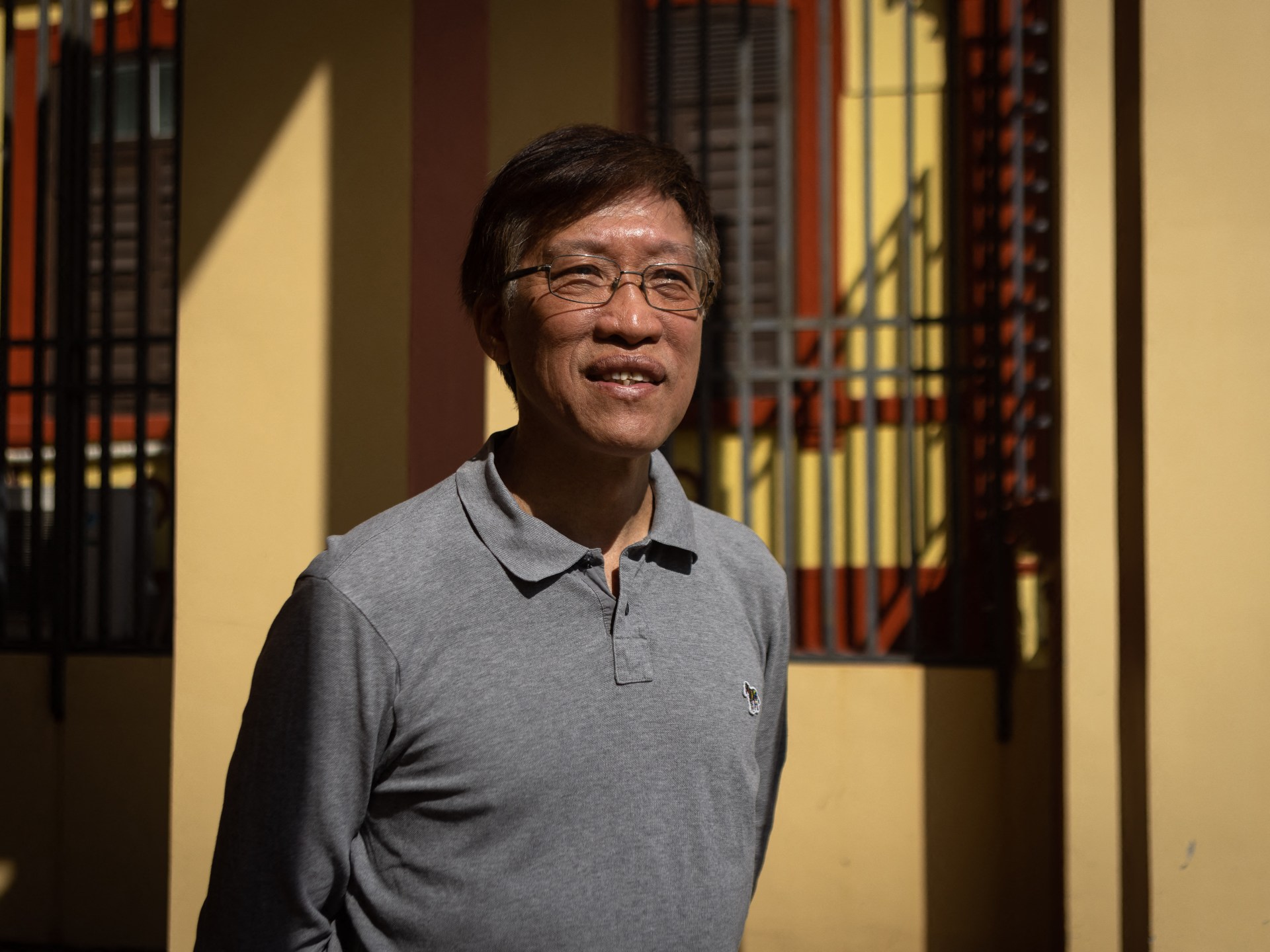
A Macao court sentenced former pro-democracy lawmaker Au Kam San to 12½ years in prison Friday in the city’s first publicly known prosecution under its national security law. The 69-year-old was tried behind closed doors, a decision his family has condemned.
The court found Au guilty of subverting state power, breaching confidentiality and establishing contact with people or groups outside Macao to commit acts endangering national security. His arrest last year was the first publicly known prosecution under the law since its enactment in 2009.
In a statement, the court said Au had worked for a long period with “hostile organizations” outside Macao to collect and spread political views and false information. It said he helped overseas groups disseminate information between 2023 and 2024 to encourage hostile action against China and Macao, incite hatred against the central government and disrupt Macao’s 2024 leadership election.
The court also said Au had leaked confidential information from closed-door legislative committee meetings about the renewal of gaming licenses in 2021, when he was still a lawmaker.
“Although the defendant is a first-time offender and admitted to a considerable portion of the criminal facts, he demonstrated a high degree of intent,” the court said. “The degree of unlawfulness and the potential consequences of his crimes are both very serious.”
Au’s wife, Virginia Cheang, rejected the case in a public letter. “From a closed-door trial to a public verdict, what kind of operation is this? It’s a political trial and it’s a groundless persecution to humiliate one’s character,” she wrote. Cheang said she hoped the family would be able to exchange letters with Au and visit him regularly without conditions.
According to NPR, the court said it had approved regular family visits and that a lawyer approved by Au had represented him. It said the judge closed the trial, held in September, to protect national security interests. Au’s daughter told The Associated Press that a lawyer previously arranged by the family had been unable to see him.
Portuguese lawyer Jorge Menezes, who practices in Macao, told NPR that the court had not disclosed which organizations were involved or what information Au allegedly gave them. He disputed any suggestion that Au’s acknowledgment of some facts amounted to a guilty plea. “From what I see, he did not plead guilty,” Menezes said.
Au, a former teacher, spent 20 years in Macao’s legislature before stepping down in 2021. He helped organize local commemorations of the 1989 Tiananmen Square crackdown in Beijing. Macao, a former Portuguese colony, became a Chinese special administrative region in 1999.
Macao’s government backed the ruling and said it would continue to enforce the security law. Beijing’s Hong Kong and Macao Affairs Office said the verdict demonstrated Macao’s resolve to safeguard national security. Human Rights Watch’s deputy Asia director, Maya Wang, said the sentence sent a chilling message to peaceful critics and urged Portugal and the European Union to press for Au’s release, according to Al Jazeera.









Be First to Comment