Key takeaways:
- Hungary scrambled fighter jets three times on Friday to escort aircraft after bomb alerts.
- Security checks found no explosives on affected aircraft, and no passengers were reported harmed.
- Threats also prompted evacuations at Irish media organizations, but no link to the airline warnings has been established.
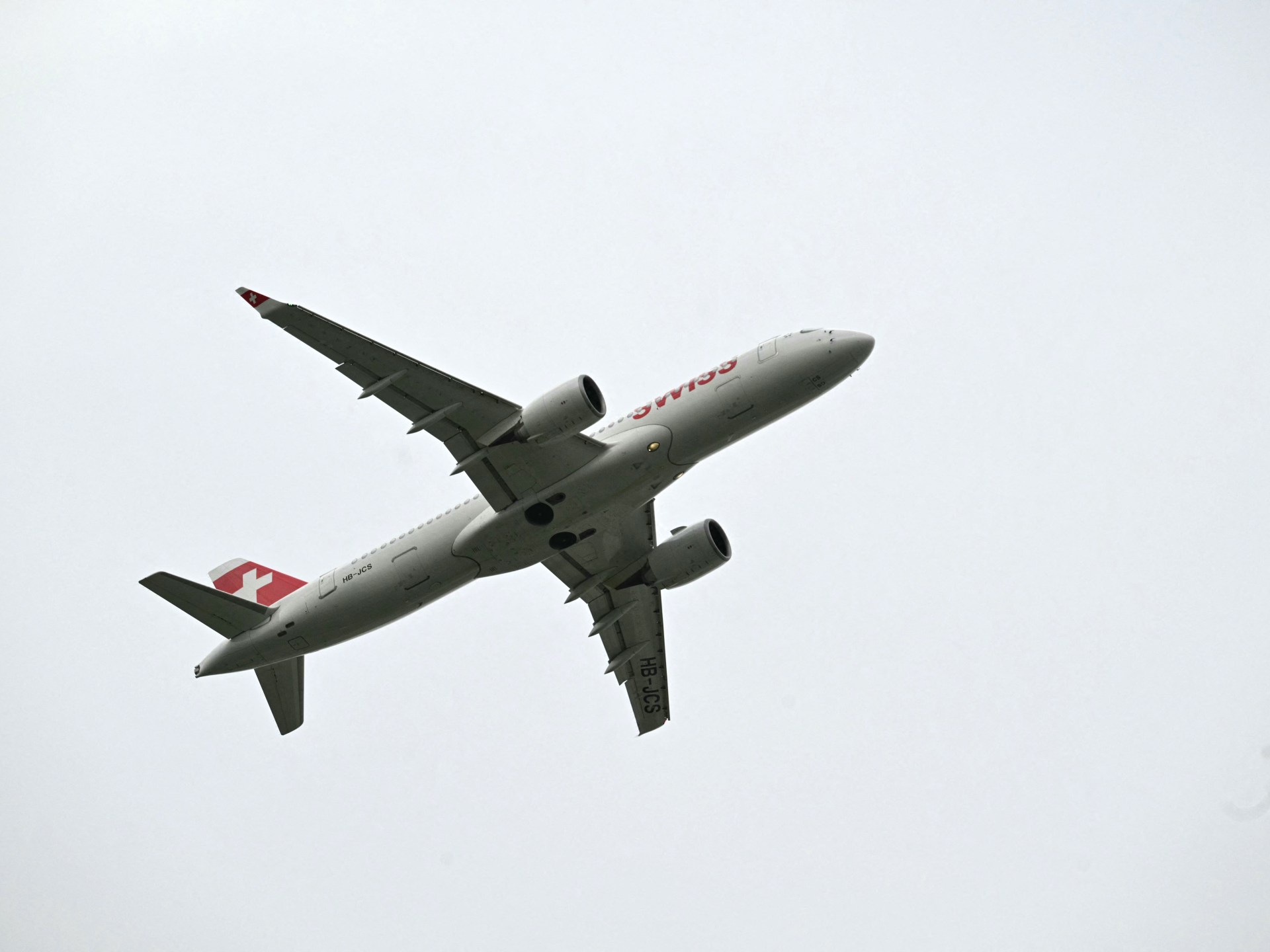
Bomb threats disrupted flights across Europe again on Friday, sending fighter jets to escort three aircraft through Hungarian airspace and prompting security checks at airports. Similar warnings forced media organizations in Ireland to evacuate. No explosives had been found on any of the affected planes as of Friday.
At least 17 flights had been disrupted by midday GMT on Friday, Al Jazeera reported. The alerts affected flights linked to Lisbon, Rome, Prague and Sofia, following threats earlier in the week that affected nearly 30 aircraft and several airports, according to the BBC. The UK government has described the aviation threats as “malicious hoax threats.”
Hungary scrambled fighter jets three times after authorities received bomb alerts, Al Jazeera reported. The aircraft included a Wizz Air flight from Brussels to Sofia and flights from Prague to Bucharest and Cyprus. Prague airport said nine flights were affected on Friday morning, while Bulgaria’s transport ministry reported alerts concerning two flights bound for Sofia, according to Al Jazeera. The BBC reported that at least four flights in France were targeted; all landed safely.
Ryanair said a flight scheduled to leave Lisbon for Rome was targeted on Friday, the BBC reported. Al Jazeera, citing Italian media, reported that a Ryanair flight landed in Lisbon at 8 a.m. after authorities received a bomb threat by phone. It also reported that a Wizz Air flight from Paris to Rome was diverted to Venice after an alert about a device aboard.
On Thursday, flights departing from 16 countries, including Ireland, the United Kingdom, Spain and Denmark, were affected, Al Jazeera reported. Some were diverted or stopped before takeoff; others underwent additional checks. Authorities deployed bomb disposal teams and fighter jets in several countries. Inspections have found no explosives or suspicious materials, and no passengers were reported harmed.
The disruption also reached newsrooms. Irish public broadcaster RTÉ was evacuated after a threat, and staff at the Irish Independent and the Dublin offices of radio stations Newstalk and Today FM were advised to leave their buildings, the BBC reported. UK broadcaster Sky said it had received a security threat, assessed it and notified authorities. Irish police said they were aware of threats against media organizations in Ireland and elsewhere in Europe.
No link has been established between the threats against airlines and media outlets. The Irish government warned of a “likely coordinated campaign of disruption” but said it did not know who was responsible or whether the warnings came from individuals or a coordinated effort. Prime Minister Micheál Martin called the situation “worrying” and said public safety was his government’s first priority.
The European Commissioner for Transport said it was too early to determine who was behind the aviation threats or whether they were connected, according to Al Jazeera. Moscow has denied involvement, and Al Jazeera reported there was no evidence implicating Russia, Iran or groups linked to them. A Telegram account linked to the Russian extremist group “Male State” also denied a connection after the group’s name appeared in threats sent to Italian airports, the BBC reported.
Aviation security expert Philip Baum told Al Jazeera that individual airlines receive bomb threats regularly, but the scale of these disruptions was unusual. He said each disrupted flight could cost an airline as much as $250,000.





Be First to Comment