Key takeaways:
- Secretary of State Marco Rubio said the United States will revoke or deny visas for people tied to policies involving uncompensated land seizures, race-based discrimination or incitement of violence in South Africa.
- Rubio did not name any officials targeted by the restrictions, and South Africa has strongly rejected U.S. claims that it discriminates against White people.
- The visa move follows other U.S. actions against South Africa, including aid cuts, G20 restrictions and a refugee program for Afrikaners and other South African racial minorities.
The Trump administration said it will impose visa restrictions on some South Africans, escalating a dispute with Pretoria over U.S. claims that South Africa’s government discriminates against White people and other minorities.
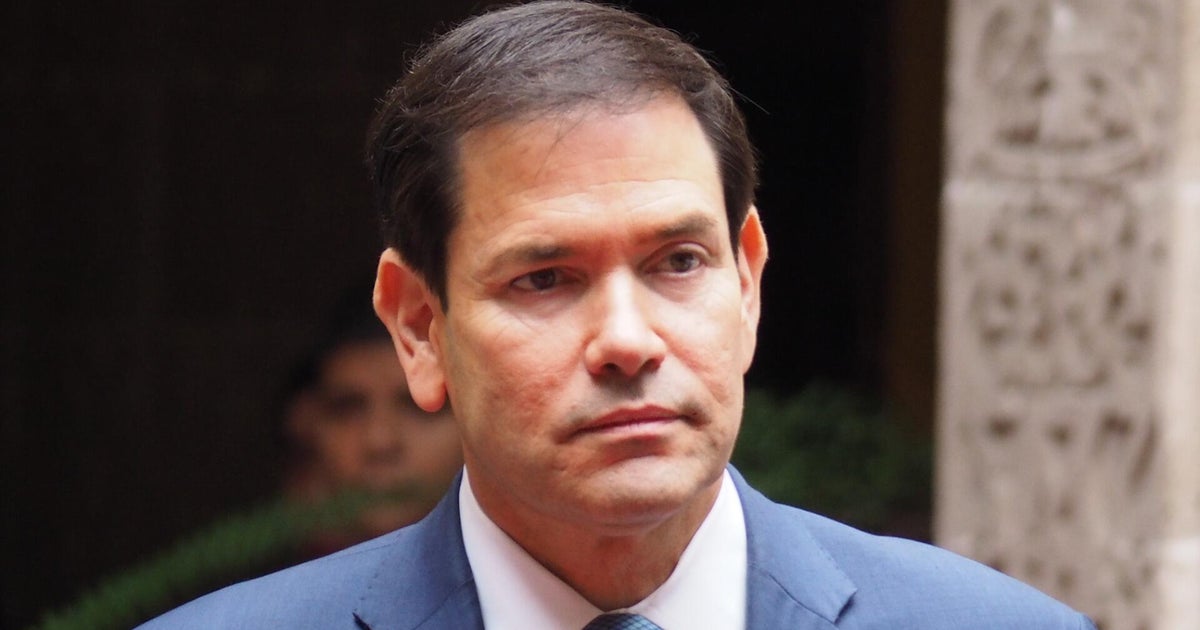
Secretary of State Marco Rubio announced Tuesday that the United States would revoke visas or reject visa applications for foreign nationals found to be responsible for, or complicit in, policies that the administration says enable uncompensated land seizures, race-based discrimination or the incitement of violence against minority racial and ethnic groups in South Africa.
“The United States will not allow such behavior to go unchecked,” Rubio said in a statement. “These actions directly undermine peace, economic stability, and the rule of law, and they are incompatible with the pillars of America’s foreign policy.”
Rubio did not identify any officials who would be targeted. He said on X that “the South African people are being failed by a government that is destroying its economy through an obsessive pursuit of racial grievance against the Afrikaner minority.” He added that South Africa’s government had “consistently failed to adequately address rural crime, violent and dehumanising rhetoric, and race-based discriminatory policies against Afrikaners and other minority populations.”
South Africa’s government has strongly rejected U.S. allegations that it discriminates against White people, calling the claims made by the administration since President Trump returned to office baseless and rooted in misinformation. Spokespeople for South Africa’s presidency and foreign ministry did not immediately respond to The Guardian’s requests for comment on the visa announcement.
The new restrictions are the latest in a series of U.S. actions aimed at South Africa during Trump’s second term. The United States has cut aid to South Africa, barred South African officials from this year’s Group of 20 summit in Miami, and begun phasing out aid for the country’s HIV treatment program, CBS News reported. The administration has also created a refugee program for Afrikaners and other South African racial minorities, while making broader cuts to refugee and asylum programs for people fleeing war and persecution, according to The Guardian.
The official U.S. ambassador to South Africa account posted on X that the visa policy was “only the first step in a series of escalatory measures that will show America’s firm resolve in this matter.” The U.S. ambassador to South Africa, Leo Brent Bozell III, wrote that “the time for endless ‘dialogue’ has run its course.”
The administration has cited South Africa’s land policy, affirmative action programs and violent crimes against White farmers as evidence of discrimination. South Africa introduced a law last year allowing the government to expropriate land without compensation in specific circumstances, including if land is abandoned or held only for speculation. The Guardian reported that there is no large-scale expropriation of land.
Afrikaners are descended mainly from Dutch and French settlers who arrived in South Africa beginning in the 17th century. They were central to the apartheid system, under which South Africa’s Black majority was repressed while White people held political and economic power. South Africa has about 4.5 million White residents in a population of 62 million, including Afrikaners and people of British or other heritage.
Since Nelson Mandela became South Africa’s first Black president in 1994, governments have pursued policies intended to redress racial inequality, including Black economic empowerment programs and land redistribution efforts. The Guardian cited a 2023 article in the Review of Political Economy that found White South Africans typically have 20 times the wealth of Black people.
Some White South Africans who say they face discrimination point to the far-left opposition leader Julius Malema’s repeated use of the apartheid-era chant “Kill the Boer,” with Boer referring to Afrikaners. The ruling African National Congress has disavowed the chant, which South African courts have ruled is not meant literally and does not constitute hate speech.
The Trump administration has also criticized South Africa for bringing a genocide case against Israel at the United Nations’ top court over Israel’s actions in Gaza. Israel denies the allegation.




Be First to Comment