Key takeaways:
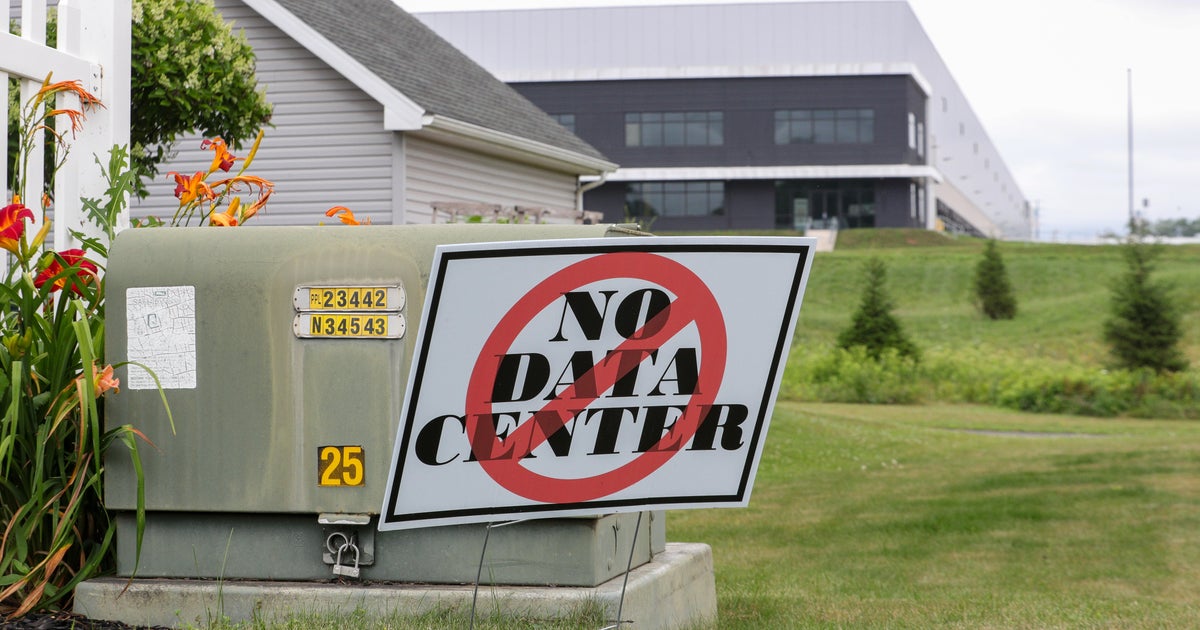
- Voters passed at least 44 of 47 proposed data center restrictions, according to CBS News, with some results still pending.
- Texas Gov.-elect Gina Hinojosa and Georgia Gov.-elect Keisha Lance Bottoms have pledged pauses on new data center construction.
- The Nasdaq fell into correction territory Thursday, according to CBS News, before stocks rebounded Friday morning.
Voters’ resistance to new AI data centers is reverberating through the stock market after U.S. midterm elections gave Democrats control of Congress and elevated candidates who promised tighter limits on construction.
“Voters on Tuesday passed at least 44 of 47 proposed measures to restrict data centers, from outright bans to temporary moratoriums, with a few results still pending,” CBS News reported. The BBC said opponents raised concerns about the facilities’ water and electricity use, potential effects on household bills, noise and disruption. A Gallup poll published in May found that 71% of Americans would oppose a data center in their community, according to the BBC.
The election results have sharpened investors’ questions about whether restrictions could slow the infrastructure buildout behind AI. Tech-heavy U.S. stocks fell sharply Thursday, sending the Nasdaq into correction territory and erasing its post-election gains, according to CBS News. Stocks rebounded Friday morning.
In Texas, Democratic Gov.-elect Gina Hinojosa has pledged to halt new data center construction until safeguards are in place. “What has happened is data centers have moved into mostly rural communities and there are no rules to protect Texas,” she told CNN on Thursday. Texas had no data center measure on Tuesday’s ballot, CBS News reported, but it accounts for 25% to 30% of the data center capacity expected to come online by 2030. The state has 169 operating facilities, 118 under construction and more than 500 planned, according to CBS News.
Georgia’s Democratic Gov.-elect Keisha Lance Bottoms told CBS Mornings she would pause new data center construction by executive order after taking office in January. “A lot of data centers are being built in Georgia because of the incentives that have been attached to those data centers,” she said. “So, of course, we’re going to have to take a look at what those agreements entail.”
Texas Democrat James Talarico, who won a U.S. Senate race, called for “clear, consistent laws for businesses” while protecting American leadership in AI, the BBC reported. With Democrats controlling both chambers of Congress, the BBC said they are expected to challenge President Donald Trump’s technology agenda more vigorously.
Trump defended the industry on Truth Social, saying he was “100% in favor” of AI and promising to work with states that want to “become RICH by having them.” He called data centers “GOLD.”
OpenAI said Thursday it would work more closely with communities on data center development, stop using controversial nondisclosure agreements with public officials and give residents access to construction plans, according to CBS News.
The political shift comes as investors scrutinize the cost and potential returns of AI. Investment in the sector is expected to reach $1 trillion in 2026, according to Goldman Sachs research cited by the BBC. Joe Maher, a markets economist at Capital Economics, said in a Thursday report that it remains unclear whether the election will derail the AI stock boom, but that the result “strengthens our sense that the boom is in its final innings.”
Others see less lasting damage. Tudor Brown, co-founder of technology firm Arm Holdings, told the BBC that valuations had been inflated by expectations of “almost infinite AI growth,” followed by “a bit of a panic.” He said companies were still making money and expected the market decline to have a limited impact.








Be First to Comment