
Key takeaways:
- Consumer prices rose 3.7% over the year to September and 0.6% from August.
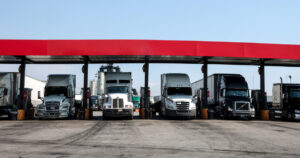
- Gasoline prices rose 9.1% in September, accounting for more than half of the monthly inflation increase.
- Annual wage growth was 3% in September, below the 3.7% inflation rate.
US inflation rose more than expected in September, driven by a surge in gasoline prices that is squeezing household budgets weeks before the midterm elections.
Consumer prices climbed 3.7% from a year earlier, up from 3.4% in August, the Bureau of Labor Statistics reported Wednesday. Prices rose 0.6% from August alone. Economists surveyed by Dow Jones had forecast an annual rate of 3.6%, according to NBC News.
Gasoline prices jumped 9.1% during September and accounted for more than half of the monthly increase, the bureau said. They were up about 34% from a year earlier. The BBC reported that overall energy prices rose 20.4% over the year, while The Guardian reported a 74% annual increase in fuel oil, used to heat homes.
The rise in energy costs follows disruption to Middle East supplies during the US-Israel war with Iran. Oil prices have climbed from about $80 a barrel in August to more than $106, according to NBC News. The outlet reported that unleaded gasoline has risen 45% and diesel 70% since late February, when the war began.
Price pressures extended beyond fuel. Housing, clothing and restaurant and takeout meals all became more expensive in September, NBC News reported. Groceries, medical care commodities and utility gas service were the only three major categories it identified as posting declines. Core inflation, which excludes food and energy, rose 0.3% from August and stood 2.6% above its level a year earlier.
For many workers, pay has not kept pace. Annual wage growth was 3% in September, and paychecks have not grown faster than inflation since March, according to NBC News. Brown University estimates that higher energy prices linked to the Iran war have cost US consumers $133 billion in total, or more than $1,020 per household, The Guardian reported.
The figures are the last inflation reading before November’s midterm elections, in which Republicans are defending control of the House and Senate. A Reuters/Ipsos survey cited by The Guardian found that 78% of Americans, including 57% of Republicans who support President Donald Trump, blame his administration’s policies for inflation outpacing their earnings.
Trump has pointed to Iran as a cause of rising prices. On Tuesday, he accused Yemen’s Houthi group of attacking Saudi Arabia to drive up oil prices before the elections, writing on social media that it was acting “probably at the behest of Iran.” The White House did not immediately respond to The Guardian’s request for comment on the inflation report.
The data also sharpened attention on the Federal Reserve. It raised interest rates last month for the first time since 2023, citing elevated prices, according to The Guardian. Stock futures fell and bond yields rose after Wednesday’s report as traders reassessed the prospect of another rate increase, NBC News reported. Higher rates and bond yields can make mortgages and other borrowing more expensive; The Guardian put the 30-year mortgage rate at 7.40%.
The BBC reported that research by the Federal Reserve Bank of New York also found tariffs have contributed to higher consumer prices, with US businesses absorbing nearly 90% of the cost of added import taxes.







Be First to Comment