Key takeaways:
- Huerta and César Chavez founded the National Farm Workers Association in 1962; it later became the United Farm Workers.
- Her organizing and nationwide boycotts helped build pressure for California’s first law recognizing farmworkers’ collective bargaining rights.
- Huerta received the Presidential Medal of Freedom in 2012 and disclosed earlier this year that Chavez had sexually abused her in the 1960s.
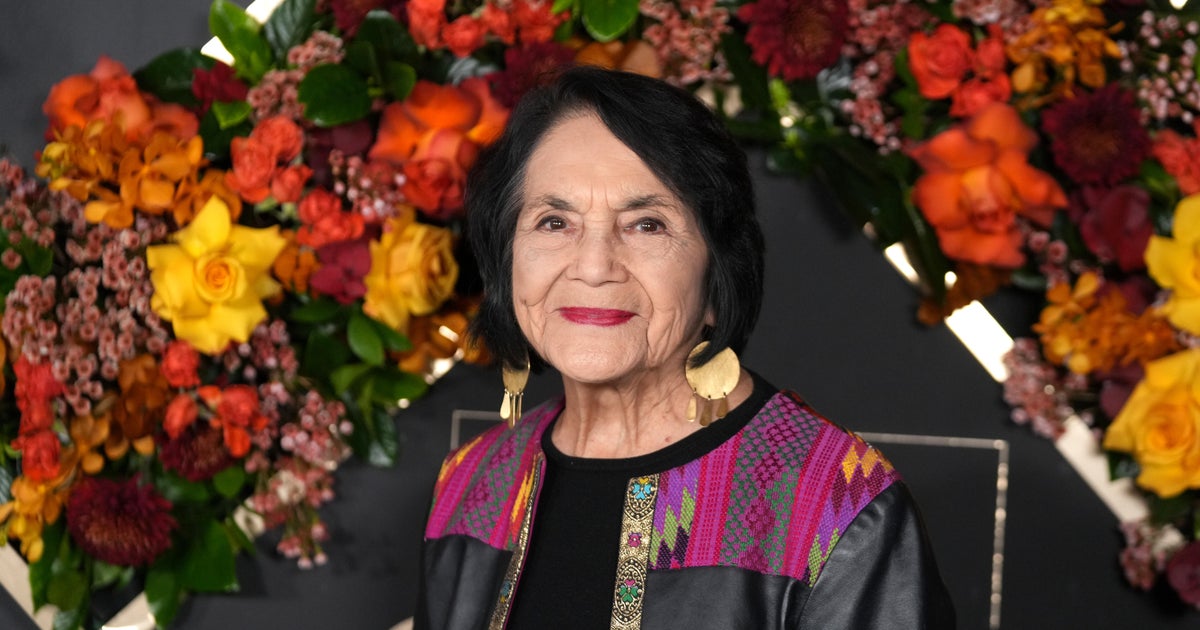
Dolores Huerta, who helped build a national farmworkers’ union and turned “Sí se puede” into a rallying cry for labor and civil rights, has died at 96. Her family said she died at home.
“As you can imagine, this is an incredibly difficult time for us, and we ask for privacy as we grieve this incredible loss to our family,” her family said in a statement. “We know that many of you around the world share in our mourning.”
Huerta and César Chavez founded the National Farm Workers Association in 1962. It later became the United Farm Workers, which organized strikes and boycotts to improve agricultural workers’ pay and conditions. Huerta helped negotiate contracts with major growers and win health and benefit plans for farmworkers.
She joined Filipino grape pickers on the picket line during the five-year Delano Grape Strike. In the early 1970s, she directed nationwide boycotts of grapes and lettuce that helped build pressure for California’s first law recognizing farmworkers’ right to collective bargaining. She also lobbied for financial aid for unemployed workers and disability insurance for California farmworkers.
Born Dolores Clara Fernandez in New Mexico in 1930, Huerta grew up in California after her parents divorced. She became an elementary school teacher but turned to organizing after seeing the hardships her students faced. “I couldn’t stand seeing kids come to class hungry and needing shoes,” she said in a 2017 PBS documentary. “I thought I could do more by organizing farmworkers than by trying to teach their hungry children.”
Huerta’s work extended beyond the fields. She registered Mexican Americans to vote during Robert F. Kennedy’s 1968 presidential campaign and was onstage when he thanked her after winning the California primary, shortly before he was shot. She later campaigned for Democratic candidates and advocated for women’s, immigrant and LGBTQ+ rights. She remained active into her 90s, marching in protests and speaking across the country through her foundation.
Protest carried risks. In 1988, a police officer struck Huerta with a baton during a demonstration in San Francisco, breaking three ribs and severely injuring her spleen. After recovering, she intensified her work encouraging Latinas to seek political office.
Huerta was the first Latina inducted into the National Women’s Hall of Fame, in 1993. President Barack Obama awarded her the Presidential Medal of Freedom in 2012 and said he had borrowed her slogan for his 2008 campaign. Often translated as “Yes, we can,” the phrase became known far beyond the farmworker movement.
Earlier this year, Huerta disclosed that Chavez had sexually abused her in the 1960s. She said she had kept the secret for decades because she feared speaking out would jeopardize the movement’s gains. Chavez died in 1993. In a statement about her disclosure, Huerta said, “Cesar’s actions do not diminish the permanent improvements achieved for farmworkers with the help of thousands of people.”
In a 2025 documentary, Huerta described the legacy she hoped to leave: “I hope that my legacy will be one of an organizer that organized to fight injustice.”






Be First to Comment