Key takeaways:
- Annual CPI inflation fell to 3.5% in June from 4.2% in May, below the 3.9% rate expected by economists polled by FactSet.
- Gasoline prices dropped 9.7% from May to June, making energy the main driver of the inflation slowdown.
- Core inflation, excluding food and energy, rose 2.6% from a year earlier and was unchanged from the previous month, according to multiple reports.
U.S. inflation cooled more than expected in June, dropping to a 3.5% annual rate as gasoline prices fell sharply during a brief easing of tensions between the United States and Iran, Labor Department data showed Tuesday.
The consumer price index, which tracks a basket of goods and services typically bought by households, slowed from 4.2% in May, when inflation reached its highest level in more than three years. Economists polled by FactSet had expected the June rate to come in at 3.9%, CBS News reported.
Energy prices drove much of the decline. Gasoline prices fell 9.7% from May to June, while fuel oil, a category that includes diesel and kerosene, dropped 9.2%, according to the Bureau of Labor Statistics. The energy index fell 5.7% in June, NBC News reported. Apparel prices also declined, and NBC reported that used cars and trucks and housing contributed to the broader dip.
The sources reported different monthly changes in overall consumer prices. The Guardian reported that CPI fell 0.8% from May, while NBC News reported that consumer prices broadly fell 0.4%. The Bureau of Labor Statistics said the decline in the all-items index was the largest one-month decrease since April 2020.
Core inflation, which excludes volatile food and energy prices and is closely watched by the Federal Reserve, rose at an annual rate of 2.6%, down from 2.9% in May and below economists’ expectations, according to CBS News. The Guardian and NBC News reported that core inflation was unchanged from the previous month.
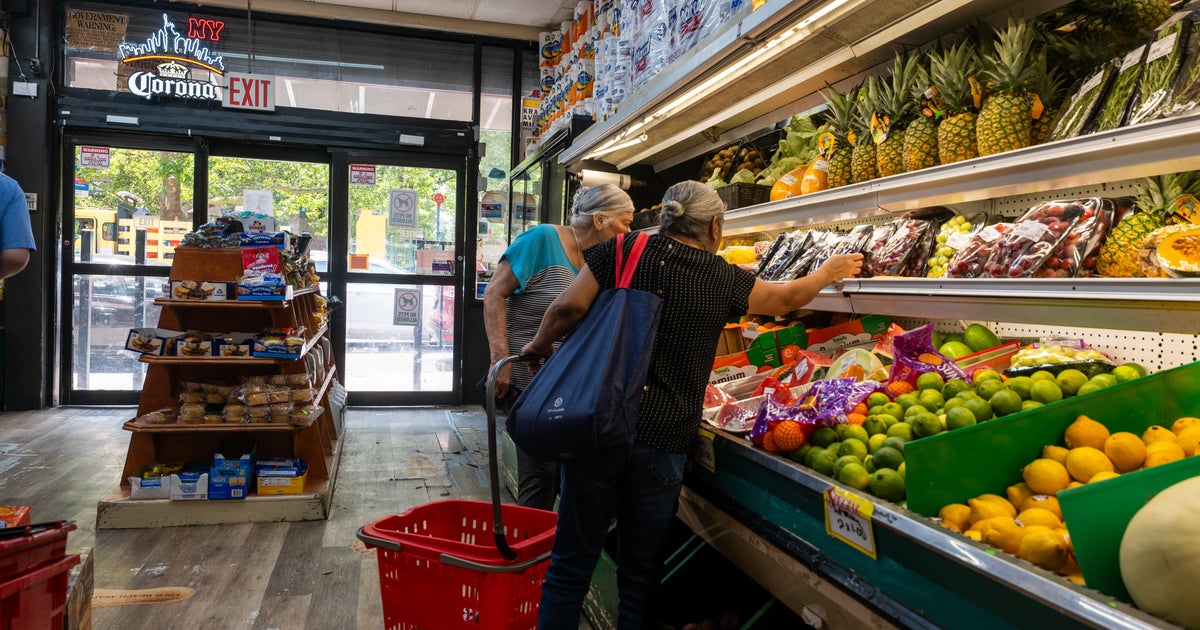
Some prices still rose. Food costs climbed in June, with the Bureau of Labor Statistics saying that “four of the six major grocery store food group indexes increased in June,” according to NBC News. The cost of food away from home rose 0.2%, and the index for full-service meals increased 0.4%. The Guardian reported increases in food, utilities and shelter offset some of the decline in energy prices.
The cooler inflation reading followed a U.S.-Iran memorandum of understanding that implemented a 60-day ceasefire, CBS News reported. The Guardian described the pause as a brief ceasefire that has since ended. Recent tensions have pushed oil prices higher again, meaning Tuesday’s inflation report does not capture the latest rise in energy costs.
Brent crude, the global oil benchmark, hit $80 on Monday after falling to a recent low of $67 earlier in July, The Guardian reported. CBS News reported that Brent crude rose Tuesday to a one-month high above $86 a barrel after President Donald Trump said the U.S. would reinstitute a military blockade in the Strait of Hormuz and impose a 20% fee on cargo shipments transiting the waterway. The Guardian reported that Trump said the Strait of Hormuz, where a fifth of the world’s oil and gas typically passes, would remain open “with or without Iran” and claimed the U.S. would reinstate its blockade of Iranian ports.
Gas prices have also started rising again. The Guardian reported the national average price for a regular gallon of gasoline increased to $3.87 last week, 70 cents higher than a year earlier. CBS News, citing AAA, reported the average was $3.86 on Tuesday, down from more than $4.50 in May but still above the sub-$3 level before the war began.
“Oil and gasoline prices — the main reason inflation eased in June — have started to edge back up on renewed US-Iran tensions, but the CPI won’t reflect this for another month,” Nic Puckrin, a markets expert and former Goldman Sachs analyst, told CBS News by email. Goldman Sachs analysts warned before the CPI release that “a serious re-escalation of the conflict would threaten to revive the key upside risk to inflation and raise the odds of rate hikes.”
The Federal Reserve will weigh inflation and the labor market at its July 28-29 meeting. The central bank left rates unchanged last month and has said inflation remains above its 2% goal. Fed Chairman Kevin Warsh, in testimony released Tuesday, said policymakers “have no tolerance for persistently elevated inflation” and share “a resolute commitment to restoring price stability.”









Be First to Comment