Key takeaways:
- Michigan has reported 2,640 cyclosporiasis cases, the largest share in a multistate outbreak spanning 31 states.
- State health officials say early findings point to lettuce or salad greens as a potential source, but no grower, supplier or specific produce type has been identified.
- The CDC has reported 86 hospitalizations and expects case counts to rise because of typical delays in disease investigation and reporting.
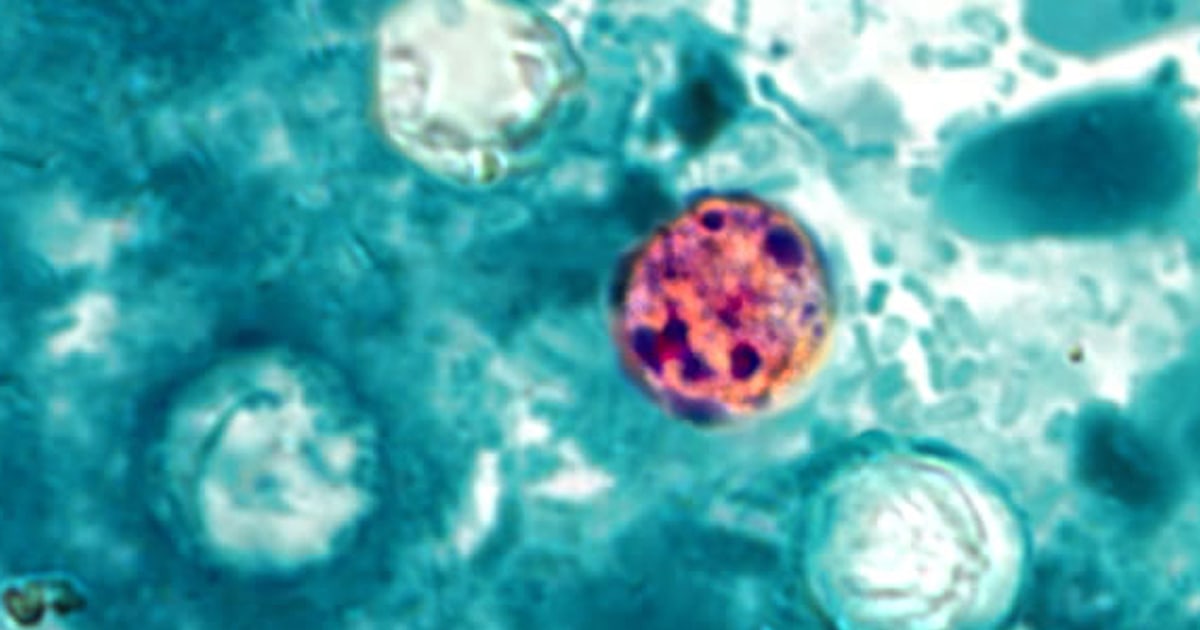
Michigan health officials said lettuce and salad greens may be the source of a large cyclosporiasis outbreak that has sickened thousands of people across the state and is part of a broader multistate investigation.
The Michigan Department of Health and Human Services said Monday that early findings point to lettuce or salad greens as a “potential source” of the parasitic infection, which can cause watery diarrhea, loss of appetite, weight loss, severe fatigue, body aches, stomach cramps, nausea and dehydration.
“Early information has shown lettuce as a common product that regularly comes up during the investigation,” Dr. Natasha Bagdasarian, Michigan’s chief medical executive, said in a statement.
Officials cautioned that the investigation is ongoing and that no specific produce type, grower or supplier has been identified. Other food sources have not been ruled out.
Michigan has reported 2,640 cases, making it the hardest-hit state in the outbreak. The Centers for Disease Control and Prevention has said cases have appeared in 31 states, with 86 hospitalizations and no deaths reported, according to The Guardian. NBC News reported that total cases number nearly 3,000, while The Guardian reported the outbreak includes more than 2,800 cases. The CDC’s federal count on Friday stood at 843 confirmed cases and 1,500 suspected cases across 31 states, and officials expect that number to rise because of delays in disease reporting.
Ohio officials have reported 177 cases, The Guardian reported.
Cyclospora infections can take time to identify. The parasite has an incubation period of about two weeks, and the CDC assumes a six-week lag between when a person becomes ill and when a case report is received, according to The Guardian. Epidemiologists often interview patients with lab-confirmed infections weeks after exposure, which can make it difficult for people to remember what they ate, where they shopped or whether they ate at the same restaurant as other patients.
“There is clearly a linked outbreak happening right now,” Bagdasarian told The Associated Press, according to The Guardian.
Michigan health officials urged consumers to avoid prepackaged salads and buy whole heads of lettuce instead. They advised discarding outer leaves and thoroughly washing inner leaves. Officials also urged restaurants and commercial kitchens in southeast Michigan to thoroughly wash leafy greens, snow peas, some herbs and raspberries, or cook them when possible.
The illness can be treated with fluids and an antibiotic. Health experts say dehydration is among the more serious risks, particularly when diarrhea is severe or prolonged.
The Guardian reported that the outbreak comes after the Trump administration cut funding to state and local health departments and narrowed the scope of FoodNet, a program that helped coordinate information on foodborne illness. Barbara Kowalcyk, an associate professor at George Washington University’s Milken Institute of Public Health and director of its Institute for Food Safety and Nutrition Security, said the cuts have made outbreak investigations harder.
“It’s like putting a puzzle together,” Kowalcyk said. “You start taking pieces out of your puzzle – it’s harder to see the whole picture, and that’s what we’ve done. We’ve taken pieces out of the whole puzzle.”
Kowalcyk said typical delays may have been worsened by staffing and funding reductions. “If you’re understaffed you might be interviewing [patients] after six to eight weeks,” she said.
The administration has defended the FoodNet changes as a way to reduce duplicative work, and said foodborne pathogen investigations are not affected. A CDC website update in April said other surveillance systems now monitor infections that FoodNet previously tracked.
HHS senior press secretary Emily Hilliard told The Guardian that the FDA is investigating cyclospora outbreaks “using established epidemiologic, laboratory, and traceback tools in close coordination with CDC and state and local partners.” She added: “To be clear, cyclospora tracking never stopped. CDC is actively working with 3,000 health departments to gather data.”









Be First to Comment