Key takeaways:
- The US-Iran memorandum commits both sides to an immediate and permanent end to military operations and gives them 60 days to negotiate a final agreement.
- The agreement includes a US pledge to develop a plan for $300bn in reconstruction and development funds for Iran, drawing criticism from several Republicans.
- Iran agreed to reopen the Strait of Hormuz and pledged not to procure or develop nuclear weapons, while US officials said its enriched uranium stockpile will be destroyed through down-blending.
President Donald Trump’s interim agreement with Iran is facing sharp criticism from several Republicans, who say the 14-point memorandum gives Tehran major financial and political concessions while doing too little to curb its nuclear ambitions.
The Trump administration released the text of the agreement on Wednesday and described it as a “major win” for the United States. The memorandum, signed by the presidents of both countries, gives Washington and Tehran 60 days to negotiate a comprehensive final deal. It commits the US and Iran to an “immediate and permanent end to military operations on all fronts,” including in Lebanon, and is intended to reopen the Strait of Hormuz after a 110-day conflict.
Tehran agreed to fully reopen the strait, which Al Jazeera reported has been effectively closed since late February. Washington pledged to “develop a definitive, mutually agreed plan” to provide $300bn in funds for Iran’s reconstruction and development. The agreement also includes Iran’s pledge not to “procure or develop nuclear weapons,” and senior US officials said Iran’s enriched uranium stockpile “will be destroyed” through “down-blending”.
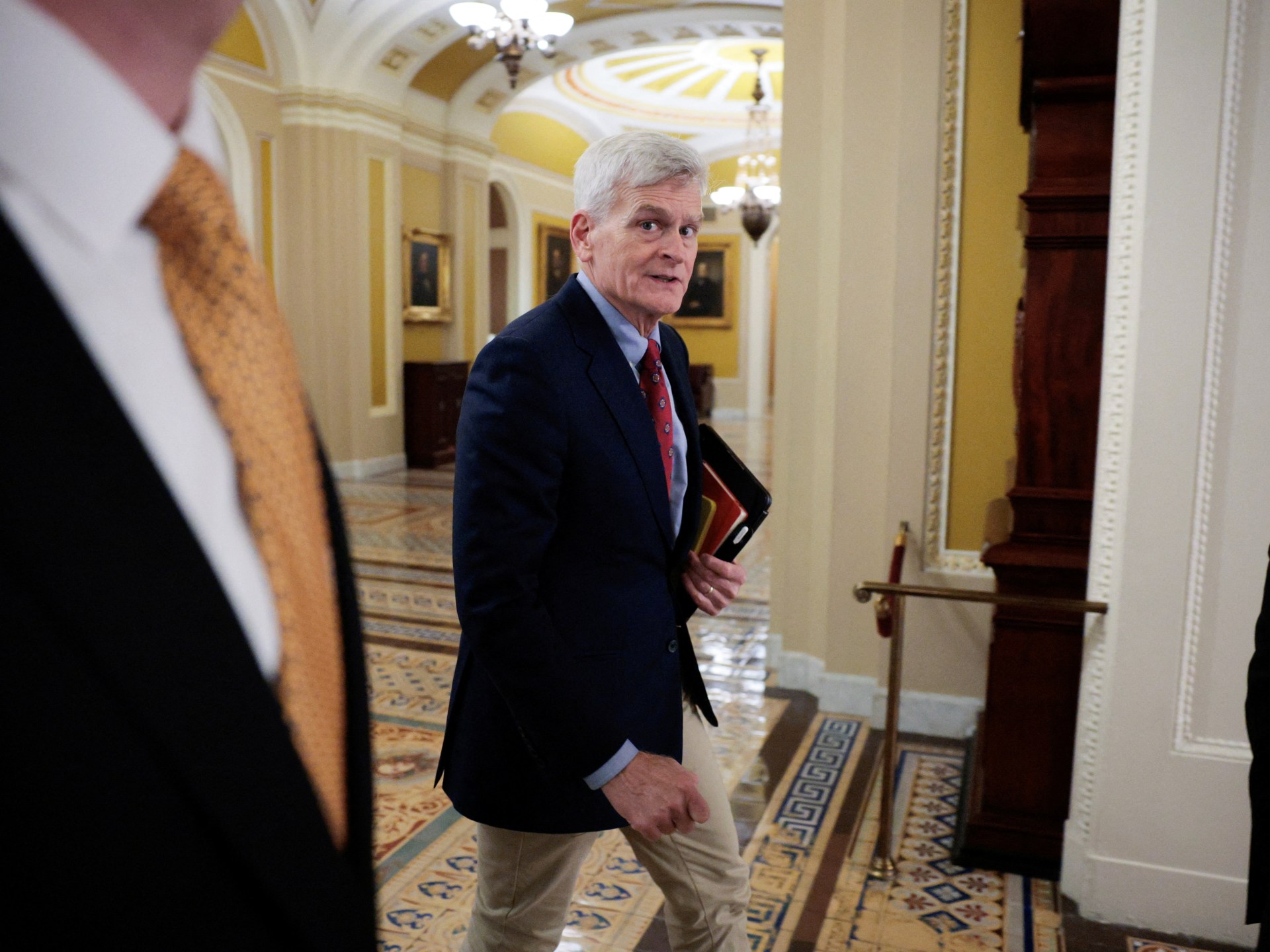
But Louisiana Senator Bill Cassidy called the deal “the worst foreign policy blunder in decades”.
“Reagan is rolling over in his grave,” Cassidy wrote on X, referring to former President Ronald Reagan. “Iran’s nuclear ambitions were not curbed, and they have learned that threatening the Strait of Hormuz works and will undoubtedly leverage it in the future. Now, Iran gets to build brand-new infrastructure under this deal.”
Cassidy, who recently lost his primary after Trump intervened against him, said the outcome compared poorly with the situation before the war. “Before the war, the strait was open, Iran was being crushed by sanctions, and 13 service members were still alive,” he said. “Now, 13 Americans are dead, families have paid billions at the pump, sanctions will be lifted, and the bombing has stopped.”
The nearly four-month conflict has killed thousands and battered the world economy, according to The Guardian. Earlier this month, four House Republicans joined Democrats as the chamber voted 215 to 208 for a war powers resolution aimed at curbing Trump’s authority in Iran.
Other Republicans also raised objections. Texas Senator Ted Cruz said elements of the agreement appeared “ill-advised” and warned against sending money to Iran. “What has been released so far suggests that, unfortunately, the president is getting, I think, very poor advice when it comes to this deal,” Cruz told the Daily Wire. “History teaches that giving billions of dollars to theocratic lunatics who want to murder us is a bad idea.”
Cruz also wrote on X: “I do want to urge the president not to give up the victory; we have destroyed their military, and we should not fund the rebuild.”
Former Vice President Mike Pence said the memorandum “does smack of the kind of appeasement that our administration rejected in the Obama-Iran nuclear deal”. He said the US should seek a deal requiring Iran to dismantle its nuclear and missile programmes, end support for terrorist proxies and open the strait. “Failing that, we should let our Armed Forces finish the job on our terms,” Pence wrote on X.
Former UN Ambassador Nikki Haley also questioned the reconstruction funding. “This regime chants death to America, murders our troops, and attempts to assassinate Americans on US soil,” she wrote on X. “Now, we plan to unlock billions of dollars and lift sanctions, with the promise of even more money.”
Senator Lindsey Graham initially said he was “somewhat concerned” that Iran’s view of the deal differed from the US negotiating team’s description. After what he called a “very lengthy and productive” conversation with US special envoy Steve Witkoff, Graham said signing the memorandum would be “beneficial to the United States” because the strait would begin to open and hostilities would stop.
Trump defended the ceasefire deal at the G7 summit on Wednesday and said that if Iran misbehaved he would “go back to dropping bombs right smack in the middle of their head”.









Be First to Comment