Key takeaways:
- Spanish authorities said at least 72 people died during the Ceuta border surge, including some who drowned and others killed in a stampede at a breakwater barrier.
- Officials said most of the 50,000 to 60,000 migrants who entered Ceuta had returned to Morocco by Sunday; Al Jazeera reported 90 percent had returned by Saturday night.
- Far-right figures traveled to Ceuta after the surge, prompting counterprotests and renewed political disputes over Spain’s immigration and border policies.
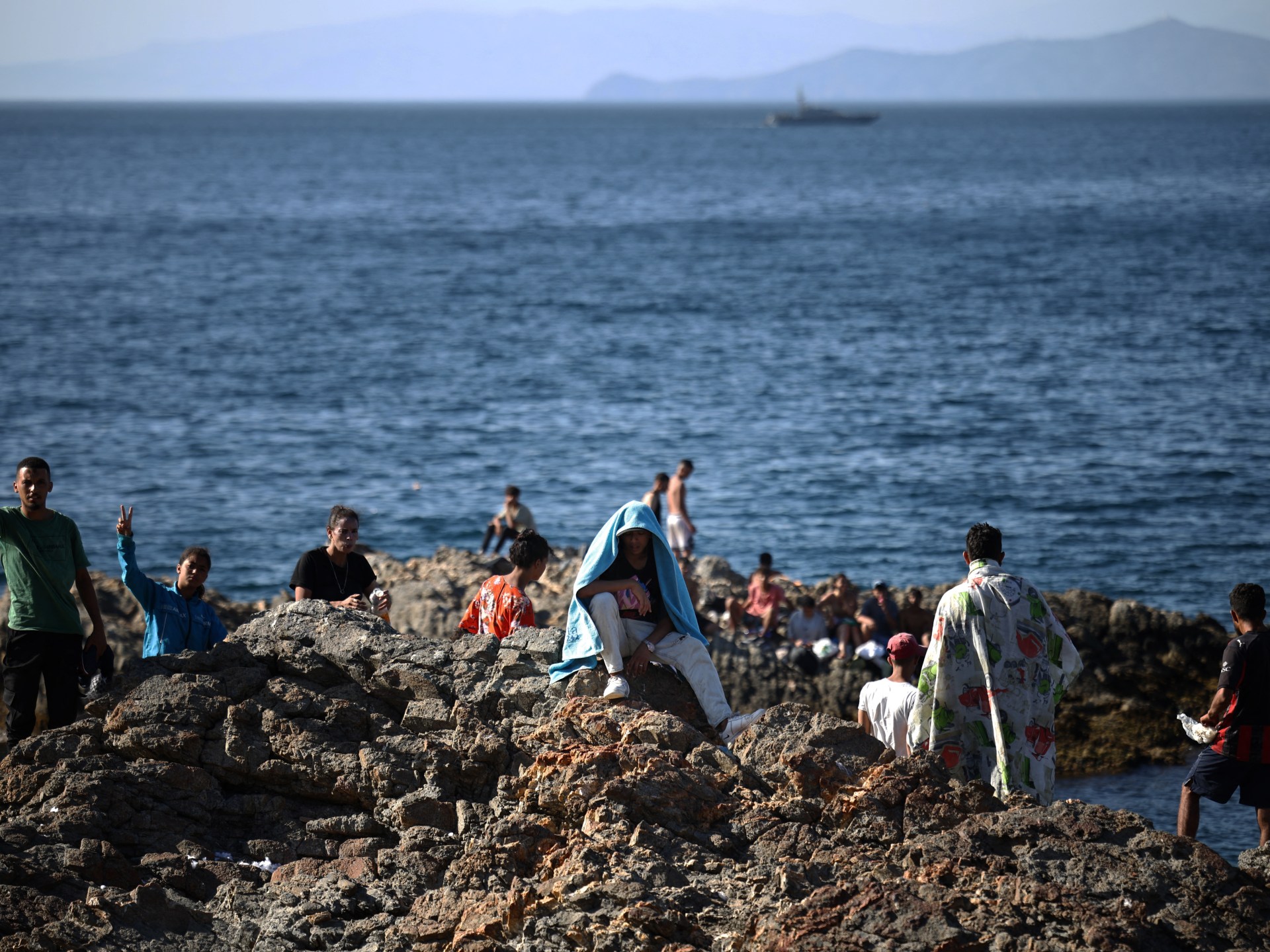
Most of the tens of thousands of North African migrants who entered Spain’s enclave of Ceuta had been returned to Morocco by Sunday, officials said, leaving the city to confront the political and human fallout from a sudden border surge that killed at least 72 people.
Spanish authorities said some of the dead drowned and others were killed in a stampede while trying to cross a breakwater barrier. Civil Guard ships continued searching the waters near an urban beach that thousands of people had crossed days earlier.
The rush of unauthorized arrivals swelled the population of Ceuta, a Spanish territory of 84,000 people on the northern tip of Africa, by more than half. CBS News reported that 50,000 to 60,000 people, mostly young men, entered on Thursday and Friday. Al Jazeera reported that an estimated 60,000 Moroccans arrived in little more than 24 hours on Wednesday and Thursday, and that 90 percent had returned to Morocco by Saturday night.
By the weekend, shops had reopened and terraces, restaurants and cafes were again filling with residents and tourists. But the enclave, which often describes itself as home to Christian, Muslim, Jewish and Hindu communities living together, remained unsettled.
“It’s not the young men’s fault,” said Mohamad Abdelkader Driss, 44, a waiter at a fried fish restaurant in Ceuta. “If you open the border, of course everyone comes in, but the young men aren’t to blame. The authorities are responsible.” He said those who crossed behaved relatively well. “It could have been much worse,” he said.
Some migrants who returned to Morocco described a border that was effectively open and said authorities did little as thousands crossed. Spain says it plans to build a containment fence.
Al Jazeera reported that hundreds of young men were walking back to Morocco on Saturday under the watch of the Spanish military. One man, Abdelmajid, said he had swum to Ceuta “for the good life, humanity, safety, and all the things you need.” Instead, the outlet reported, migrants faced extreme heat, thirst and a hostile reception. Several men indicated they would try again.
The Spanish government blamed criminal gangs and traffickers for the mass movement, Al Jazeera reported. Opposition politicians blamed the left-wing Spanish government’s immigration policies, with some calling the surge “an invasion.”
Far-right and anti-immigrant politicians and influencers also traveled to Ceuta, triggering counterprotests that included members of the city’s large Muslim population, many of Moroccan descent. Alvise Pérez, a far-right Spanish politician and member of the European Parliament, called Saturday evening for migrants to be expelled as rival protesters confronted him. He later sheltered in a bar while residents banged on the windows until police escorted him away.
“They just want to take advantage of the humanitarian crisis Ceuta is currently experiencing,” said Noor Ahmed, a 20-year-old Ceuta resident and student who joined the counterprotest.
Santiago Abascal, leader of Spain’s far-right Vox party, visited Ceuta on Sunday and accused the Spanish government of failing to protect the border. “The frontiers of Ceuta and Melilla are the walls of our home and homeland, and they are not being protected by a corrupt and traitorous government,” he said.
Al Jazeera also reported that Zia Yusuf, a senior figure in the anti-immigration Reform UK party, visited Ceuta and posted on X to nearly 150,000 followers that he was at “the scene of the 60,000 strong invasion.” The outlet said no migrant it spoke with said he was heading for Britain, despite Yusuf’s claim that he had spoken to Moroccan men trying to get there.
Some residents said the crisis had strained Ceuta’s tradition of coexistence. Eva Barrientos, who works at a logistics company, said the city’s four cultures had long lived together peacefully, but added, “the only thing we are realizing now is that there is an enemy within,” accusing some foreign-born residents of greater loyalty to Morocco than Spain.
Pope Leo XIV said Sunday he was “following with concern the alarming situation in Ceuta, asking God … that solutions of peace, stability and justice may be found.”











Be First to Comment