Key takeaways:
- Ceuta’s government said between 1,500 and 2,000 people entered the enclave over the past 10 days, with hundreds more estimated to have arrived Thursday.
- President Juan Jesús Vivas called the situation an “absolute humanitarian and social emergency” and urged Madrid to send help, including troops.
- Spain’s Interior Ministry rejected calls for a national emergency but said it was working with Morocco and blamed smuggling networks for exploiting a recent Supreme Court ruling.
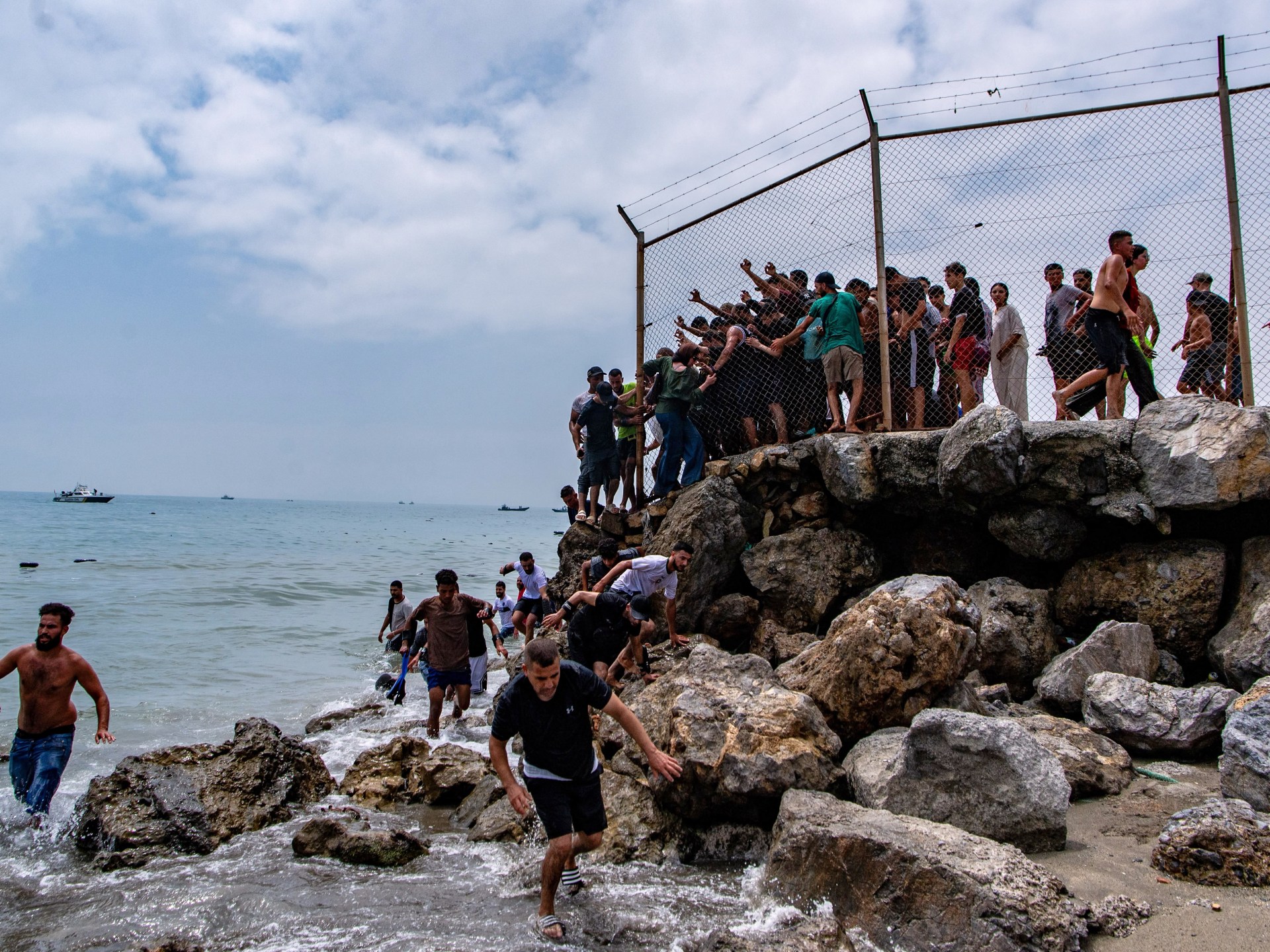
Hundreds of migrants have entered Spain’s North African enclave of Ceuta from Morocco in recent days, straining local services and prompting the territory’s leader to call for urgent help from Madrid.
Ceuta President Juan Jesús Vivas said the enclave was facing an “absolute humanitarian and social emergency” as arrivals continued by sea and land. The government of Ceuta said Thursday that between 1,500 and 2,000 people had entered the territory over the past 10 days, while hundreds more were estimated to have arrived that day.
Footage showed people swimming from the Moroccan side using inflatable rings and other flotation devices. Some shouted “Viva España!” as they entered the Spanish territory, Al Jazeera reported. Other images showed migrants walking around breakwaters onto local roads, according to The Associated Press, while Spain’s EFE news agency said some crossed by land by scaling fences. The BBC reported that others ran through a gate in the border fence.
There were conflicting accounts of the scale of Thursday’s crossings. Spanish media estimated that between 2,000 and 3,000 people entered Ceuta that day, according to Reuters, though the Guardia Civil had not confirmed the figure. Spain’s public broadcaster RTVE reported that “hundreds” crossed during the day and said more than 1,500, mostly young Moroccan migrants, had reached Ceuta over the past two weeks.
Vivas urged the Spanish government to intervene and called for troops to help reassert control of the border. Spain’s Interior Ministry rejected calls to declare a national emergency, saying such a measure does not apply to migration crises, but promised additional resources. Interior Minister Fernando Grande-Marlaska is expected to visit Ceuta on Friday to assess the situation.
Vivas said reception centers for unaccompanied minors were operating at several times their intended capacity, according to Reuters. RTVE reported that he also said the bodies of 60 people had been recovered at sea in recent months.
“The situation remains out of control as we speak,” migrant rights activist Zakaria Zarroqui told Reuters, adding that people were still heading to the Moroccan city of Fnideq in an attempt to cross into Ceuta.
Ceuta, on Morocco’s northern coast, is separated from mainland Spain by the Strait of Gibraltar. Along with Melilla, another Spanish enclave in North Africa, it forms the European Union’s only land border with Africa. The cities have long been focal points for people trying to reach Europe and often see surges in attempted crossings.
The latest influx has drawn comparisons with May 2021, when large numbers of migrants entered Ceuta over several days, worsening diplomatic tensions between Spain and Morocco. The BBC reported that around 8,000 people crossed then, while Al Jazeera reported that migrant rights activist Zarroqui compared the current situation with a 2021 surge in which some 10,000 Moroccan and sub-Saharan youths entered the enclave within days.
Earlier this month, Spain’s Supreme Court ruled that migrants intercepted at sea while trying to reach Ceuta or Melilla cannot be returned to Morocco. “It has been a slow trickle since the Supreme Court’s ruling, but today has been an explosion,” a Guardia Civil spokesperson told Reuters.
Spain’s Interior Ministry said it was working closely with Morocco to address the rise in irregular arrivals and blamed people-smuggling networks for exploiting the court ruling and encouraging undocumented migration. Spanish authorities have reinforced security around Ceuta and Melilla in recent years through increased surveillance, stronger barriers and improved cooperation with Morocco, but crossings have continued.









Be First to Comment