Key takeaways:
- At least 10 commercial vessels transited the Strait of Hormuz on Thursday after the U.S.-Iran memorandum took effect, CBS News reported.
- The agreement sets a 60-day period for talks on Iran’s nuclear program, U.S. sanctions and frozen assets, according to Al Jazeera.
- Israel’s military said its troops will remain in a southern Lebanon security zone, despite Iran saying that would violate the U.S.-Iran deal.
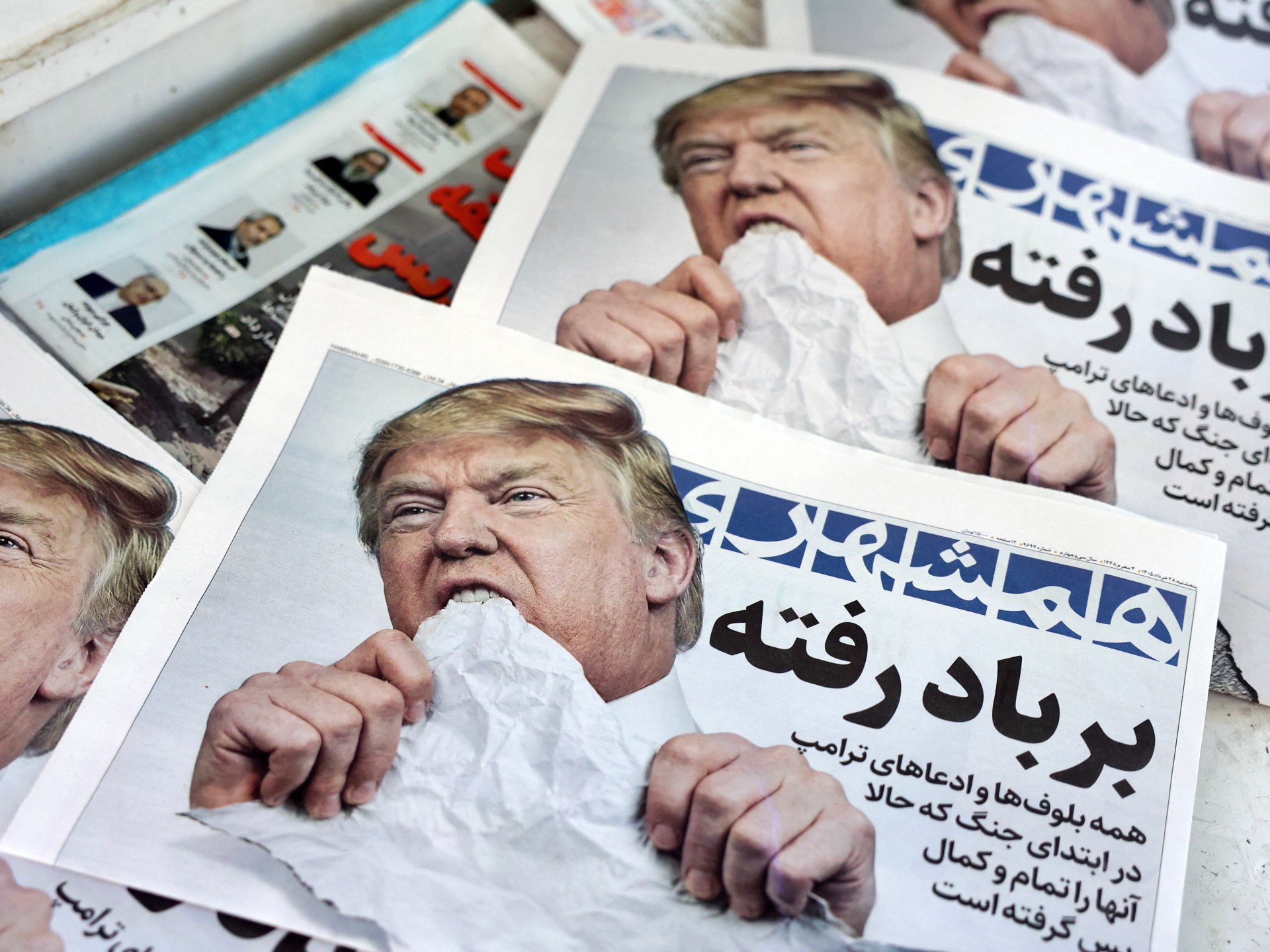
Commercial ships began moving again through the Strait of Hormuz on Thursday after President Donald Trump and Iranian President Masoud Pezeshkian signed a memorandum of understanding aimed at extending a ceasefire, lifting a U.S. naval blockade and opening a new round of negotiations over Iran’s nuclear program.
At least 10 commercial vessels were tracked transiting the strait Thursday morning, with six more appearing to head toward the same route out of the Persian Gulf, CBS News reported, citing MarineTraffic.com data. The increase remained far below the prewar average of about 135 ships a day through the vital waterway.
Pakistan, which helped mediate the talks, said the “Islamabad Memorandum of Understanding” had gone into effect after it was signed electronically by both presidents and endorsed by Prime Minister Shehbaz Sharif. “The signing of this agreement at the highest level of the respective governments demonstrates the commitment of both sides to a diplomatic resolution of the conflict,” Sharif wrote on X.
The agreement calls for Iran to immediately reopen the Strait of Hormuz and for the United States to lift its naval blockade. U.S. officials said it also includes Iran reaffirming a commitment not to develop a nuclear weapon, an end to the war on all fronts and a 60-day period for further negotiations on Tehran’s nuclear program, U.S. sanctions and frozen assets, Al Jazeera reported.
Trump signed the document Wednesday at the Palace of Versailles near Paris, where he was attending a reception hosted by French President Emmanuel Macron after the G7 summit. Video published by Macron showed Trump pausing before signing. “This was not easy,” Trump said. “I can tell you that.” Pezeshkian signed remotely.
Initial implementation talks are scheduled for Friday at the Burgenstock resort near Lucerne, Switzerland. Switzerland’s foreign ministry said the United States and Iran would meet with mediators Pakistan and Qatar and other involved countries. Pakistan said Sharif postponed a planned visit to Switzerland because the agreement had already been signed remotely and was under implementation.
Iranian Foreign Ministry spokesperson Esmaeil Baghaei said Tehran would monitor U.S. compliance “without any leniency” and would not “fulfil” its commitments if Washington “evades its obligations,” Al Jazeera reported. He said Iran’s nuclear program and the lifting of U.S. sanctions would be discussed during the 60-day period, but its missile program would not. He also said Iran would not ship its stockpile of highly enriched uranium abroad.
Defense Secretary Pete Hegseth warned that the U.S. military could restore the blockade if Iran fails to comply. “If Iran doesn’t comply, then we’re more than able to reimpose an ironclad blockade,” Hegseth told reporters at NATO headquarters in Brussels.
The deal drew international support. Qatar called it “a renewed affirmation” of the sides’ commitment to negotiations. China said it hoped both countries would approach talks “rationally and pragmatically.” Russian President Vladimir Putin welcomed the deal as a step toward permanently halting the conflict, and Japan’s prime minister called for the swift restoration of “free and safe navigation” in the strait. International Atomic Energy Agency chief Rafael Grossi said, “Now the technical work starts.”
Major challenges remain in Lebanon. The agreement calls for the “permanent termination of military operations on all fronts, including in Lebanon,” but Israel’s military said Thursday that its troops would remain in a southern Lebanon “security zone” extending roughly six miles from the border and would “continue to remove threats.” Reuters reported that Israel is negotiating with the United States over keeping forces there.
Iran has said Israeli forces remaining in Lebanon would violate the agreement. Hezbollah said Thursday it had repelled a four-day Israeli advance near Kfar Tebnit, saying Israeli forces were forced to retreat and evacuate losses under cover of smoke screens and artillery fire. Israel’s military said one soldier was killed and seven were wounded in fighting in southern Lebanon.
Lebanon’s Ministry of Public Health said Israeli operations against Hezbollah have killed at least 3,912 people and wounded 11,873 since March 2, when Israel launched major attacks in response to Hezbollah rocket and drone fire, according to CBS News. Israel has reported 31 soldiers and one civilian contractor killed since March 2.
In Tehran, some residents told CBS News they welcomed the pause in fighting and hoped it would ease economic pressure. “What people my age want is that inflation comes down, we want sanctions to get lifted,” said Mahzad, 21. Her father added: “There was nothing good out of war.”





Be First to Comment