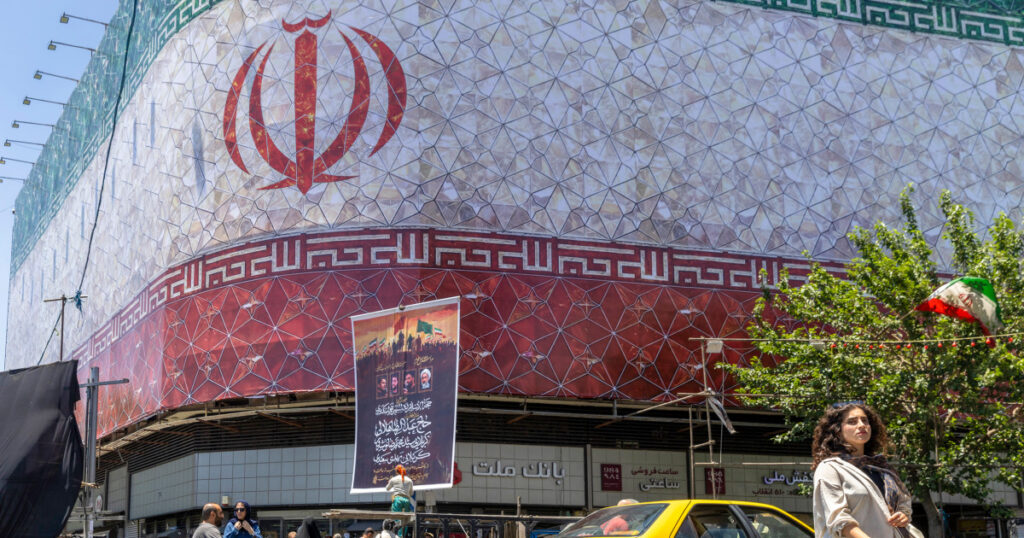
A senior U.S. official gave the clearest account yet of an unreleased 14-point memorandum with Iran that would halt fighting, lift a naval blockade and start 60 days of talks. Iranian officials have not confirmed the U.S. version of the text.
Posts tagged as “the Strait of Hormuz”
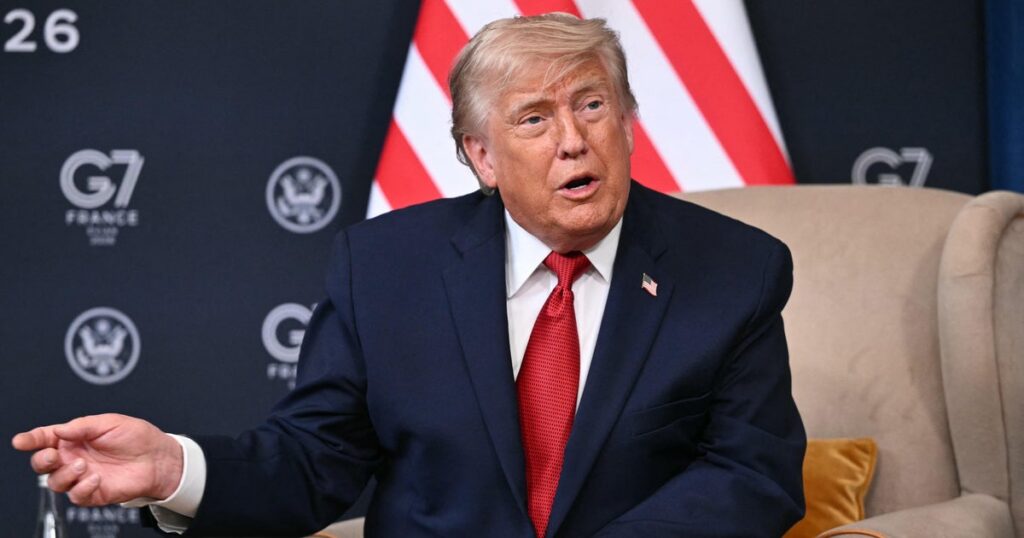
Trump said the U.S.-Iran memorandum is not a final deal and warned bombing could resume if a broader agreement is not reached. The 14-point framework calls for a ceasefire, reopening the Strait of Hormuz, nuclear limits, sanctions relief and further talks within 60 days.
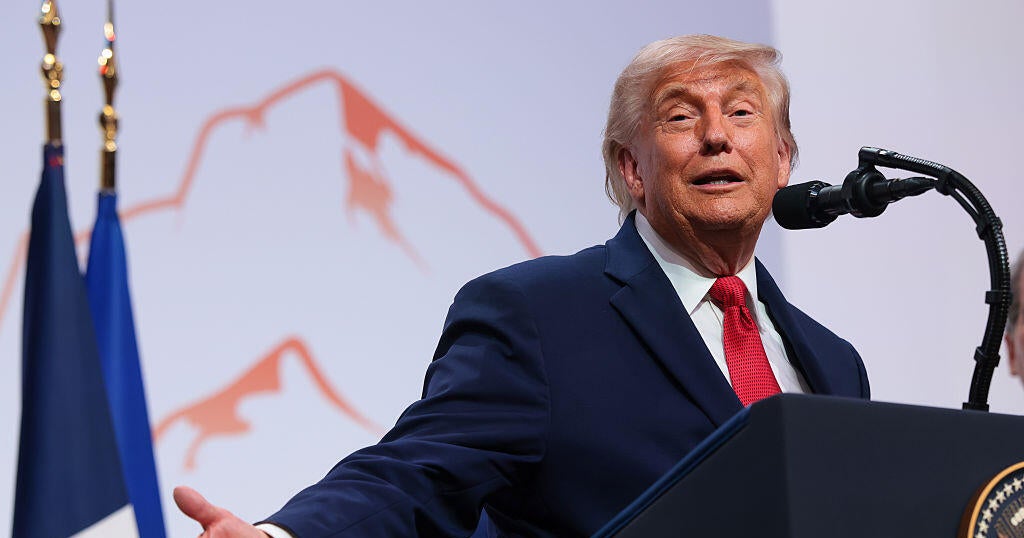
Iran says it is considering whether Presidents Masoud Pezeshkian and Donald Trump should sign a Swiss memorandum of understanding opening 60 days of negotiations. The draft framework covers a halt to military operations, sanctions relief, Iran’s nuclear program and Strait of Hormuz shipping.
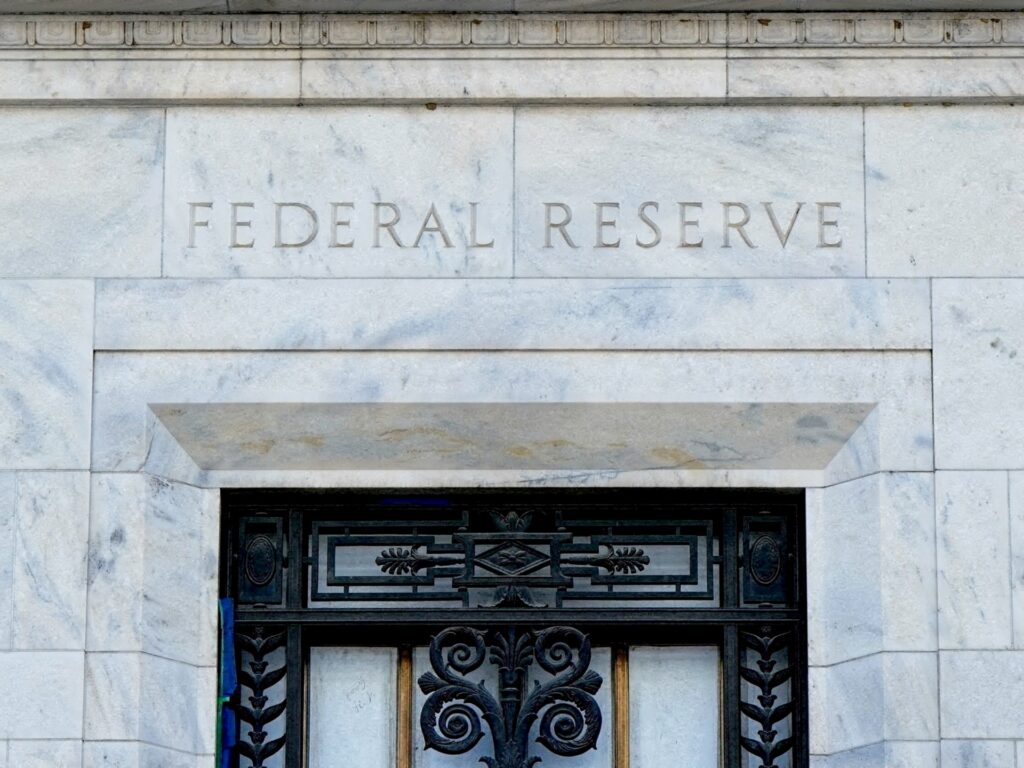
The Federal Reserve unanimously held interest rates at 3.5% to 3.75% in Kevin Warsh’s first meeting as chair. New projections showed inflation expectations rising and nearly half of policymakers open to a rate hike later this year.
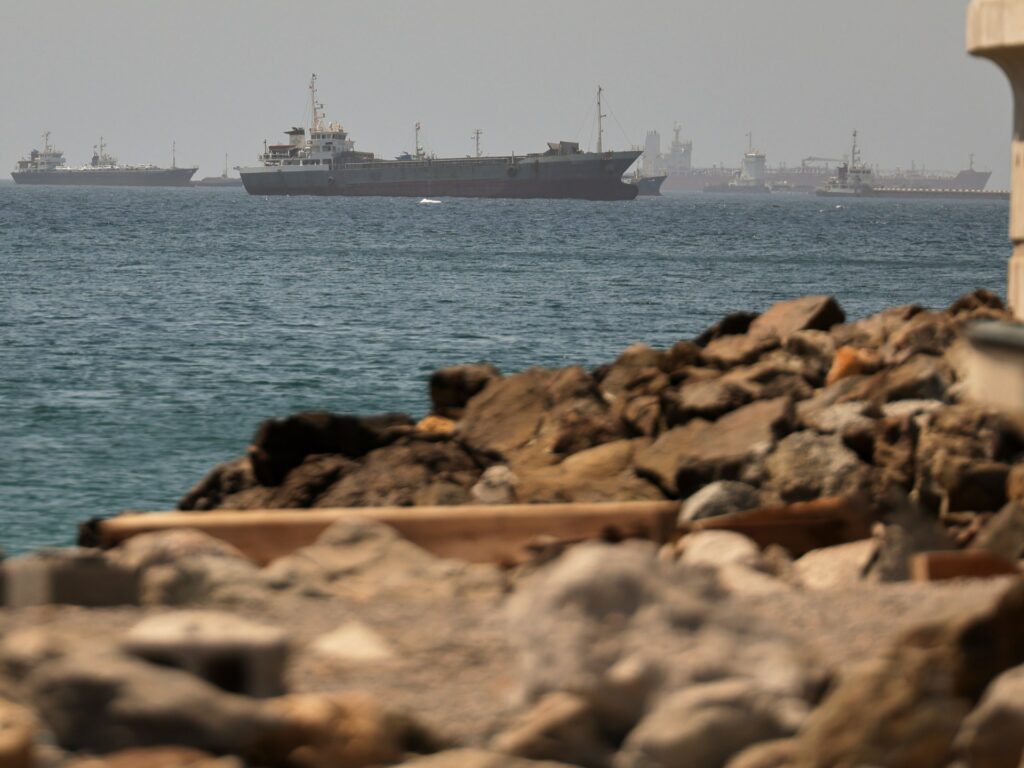
Brent crude fell to its lowest level since early March as markets anticipated a US-Iran framework agreement that could reopen the Strait of Hormuz. Shipping groups and analysts warned that restoring normal energy flows could still take weeks or months.
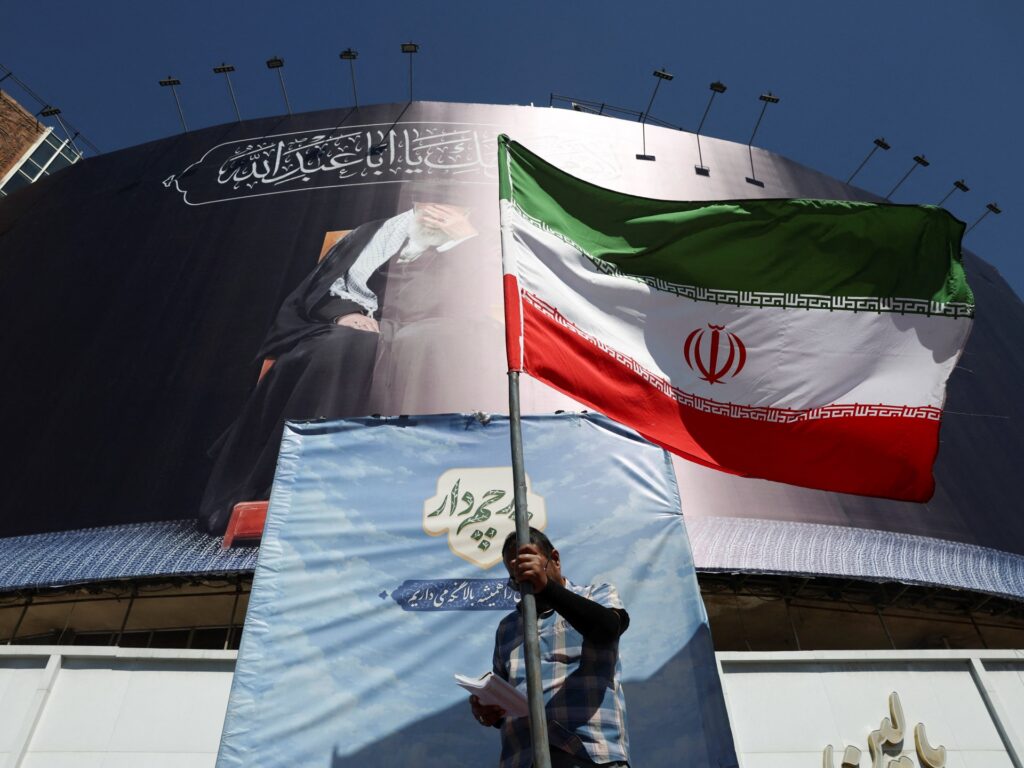
Israeli strikes in southern Lebanon continued after President Donald Trump urged Benjamin Netanyahu to be more restrained. The attacks have added pressure to an undisclosed US-Iran agreement that mediator Pakistan says includes Lebanon.
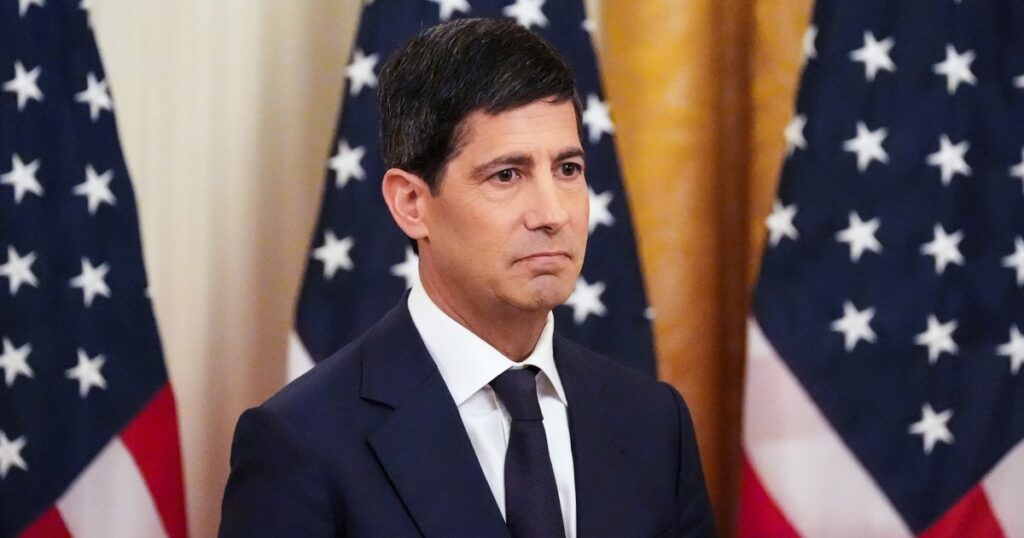
Kevin Warsh chairs his first Federal Reserve rate meeting as inflation rises and energy prices remain elevated after the U.S.-Iran conflict. Investors will watch the policy statement, news conference and dot plot for signs of the new chairman’s approach.
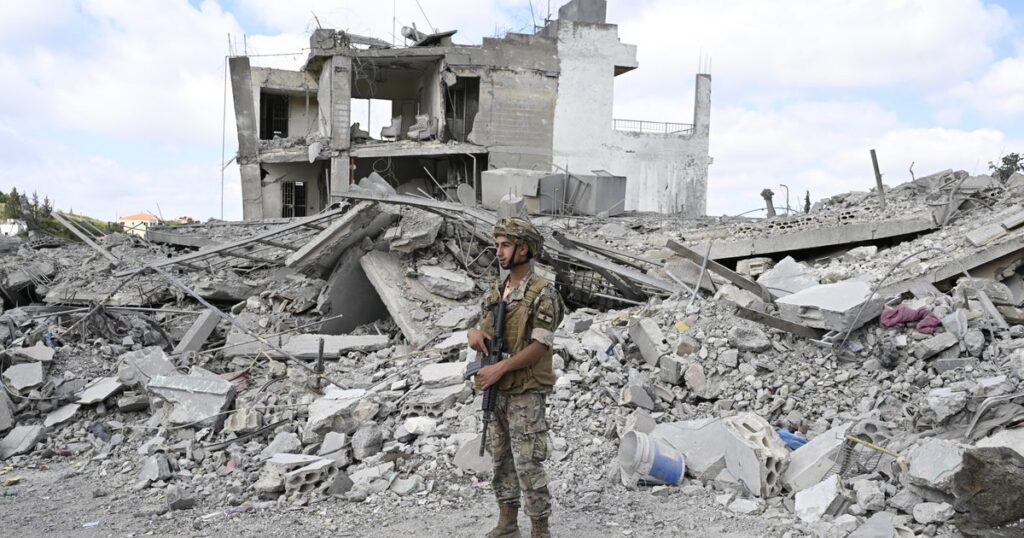
Iranian oil tankers have crossed a U.S. blockade line near the Strait of Hormuz ahead of planned U.S.-Iran talks in Switzerland. The emerging memorandum has triggered disputes over sanctions relief, Lebanon and the future of Iran’s nuclear program.