Key takeaways:
- Lebanon’s National News Agency said Israeli jets struck Nabatieh al-Fawqa and the outskirts of Kfar Tebnit on Wednesday.
- Trump said Netanyahu needed “to be more responsible with respect to Lebanon” and criticized an Israeli strike on Beirut as “too much”.
- Iranian Foreign Minister Abbas Araghchi warned that Israeli attacks on Lebanon or a continued Israeli military presence there would violate the interim US-Iran agreement.
Israeli jets struck southern Lebanon on Wednesday after US President Donald Trump publicly urged Prime Minister Benjamin Netanyahu to show more restraint, adding strain to a still-undisclosed US-Iran agreement that mediator Pakistan says includes Lebanon.
Lebanon’s state-run National News Agency said Israeli aircraft hit the Nabatieh al-Fawqa area and the outskirts of nearby Kfar Tebnit. The Israeli military did not immediately comment, though it has previously said it targets Hezbollah, the Iran-backed armed group.
The strikes followed Israeli drone attacks in Lebanon’s Nabatieh governorate that killed at least four people, according to the National News Agency. Al Jazeera reported that the attacks came despite a ceasefire and a reported US-Iran understanding to halt fighting “on all fronts, including Lebanon”.
Trump, speaking Tuesday at the G7 summit in France, said Netanyahu needed “to be more responsible with respect to Lebanon”. He said Israel had been fighting Hezbollah for “too long and too many people are being killed”.
Trump also criticized an Israeli air strike on Beirut that Israel carried out in response to a cross-border rocket attack by Hezbollah. The BBC reported that the Beirut strike had put pressure on efforts to finalize the US-Iran deal.
Trump said he had a “great relationship” with Netanyahu, but added: “I didn’t like that he did an attack… that was too much.” He also said: “Without the United States, there would be no Israel. Without me, there would be no Israel because no other president was willing to do what I did.”
Netanyahu said Monday that Israeli forces would remain in Lebanon “for as long as necessary”. The BBC reported that both Israel and Hezbollah have carried out attacks against each other since the US-Iran agreement was announced Sunday night.
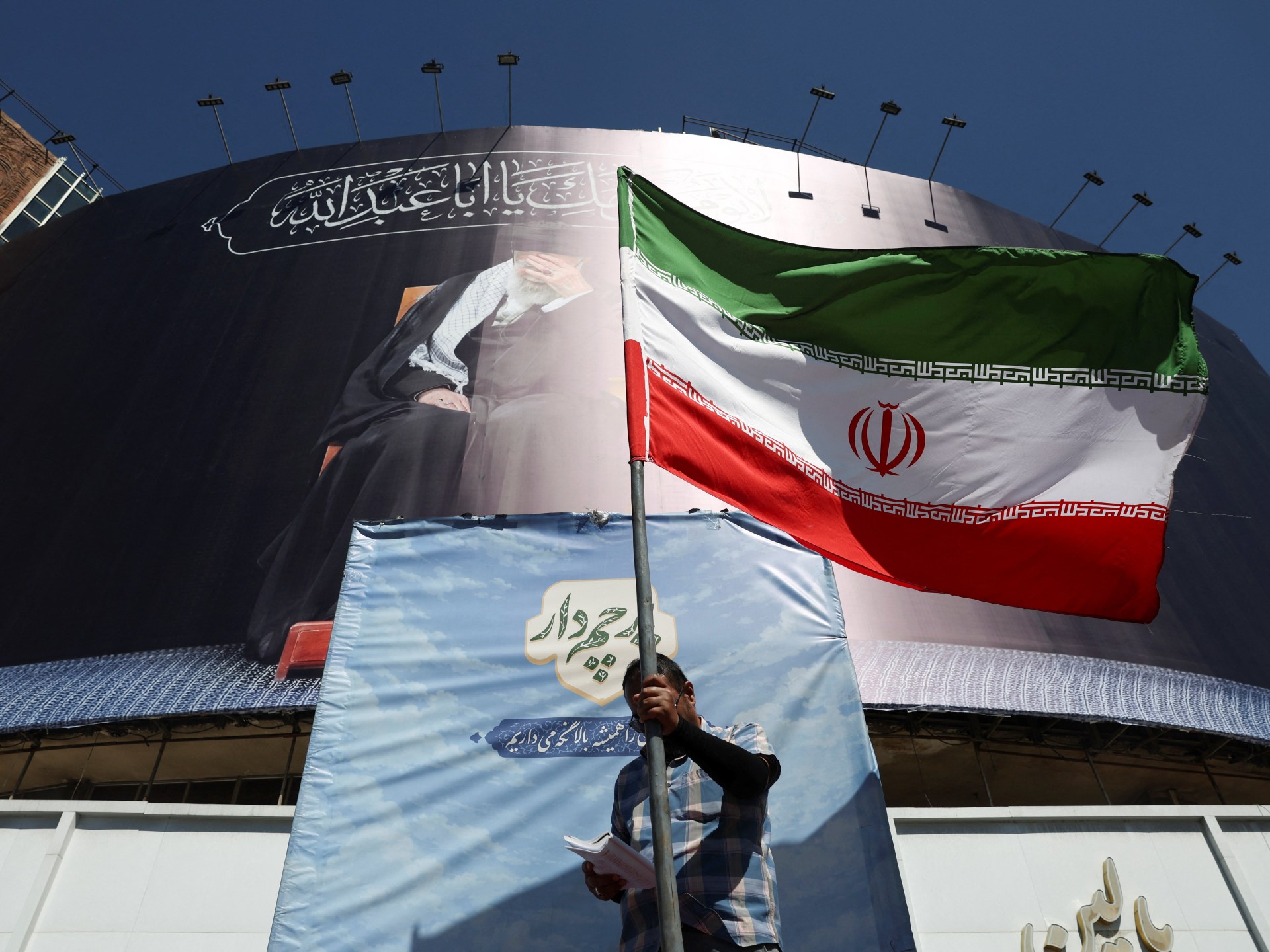
Iranian Foreign Minister Abbas Araghchi has warned that Tehran would view any Israeli attack on Lebanon or continued Israeli military presence in Lebanese territory as a violation of the interim agreement with Washington. Al Jazeera reported that Araghchi said any final deal must include sanctions relief, the release of frozen Iranian assets and the withdrawal of Israeli forces from Lebanon.
The terms of the agreement, described as a memorandum of understanding, have not been officially released. Pakistan, which has acted as a mediator, says the deal includes Lebanon. Switzerland’s Foreign Ministry told the Schweiz Heute newspaper that the US and Iran were expected to sign the agreement Friday at the Swiss resort of Bürgenstock.
Trump said he would likely hold a news conference to read the agreement “word by word”. He said the deal meant Iran would “never have a nuclear weapon” and that the Strait of Hormuz, a key Gulf waterway, would reopen and be “toll-free”.
US Vice President JD Vance said the agreement is “very simple”: Iran cannot obtain a nuclear weapon, the Strait of Hormuz must remain open, and Tehran can receive “real benefits” if it “behaves”. “If they stop funding terrorism … they actually can get some real benefits. If they don’t do any of that stuff, they don’t get anything,” Vance said, adding: “The United States wins either way.”
Canadian Prime Minister Mark Carney told CNN he had reviewed a copy of the preliminary agreement and said it “exceeded my expectations”. “We’re very pleased with the deal that’s been struck,” he said, though the terms remain undisclosed.
Trump argued the deal would be better than the 2015 nuclear agreement negotiated under President Barack Obama. “We didn’t pay for it like Obama did. He paid billions of dollars,” Trump said. Under that earlier deal, Iran agreed to limit nuclear activities and allow inspections in exchange for sanctions relief and the release of frozen funds.


Be First to Comment