Key takeaways:
- Lebanese authorities said at least three people were killed and 15 injured in Israeli strikes on Beirut’s Dahieh area.
- Trump said the Israeli attack “should not have happened” and called for no further attacks by Israel in Lebanon or by Hezbollah against Israel.
- Iranian officials said the US and Israel would bear responsibility for the consequences and warned that a response was forthcoming.
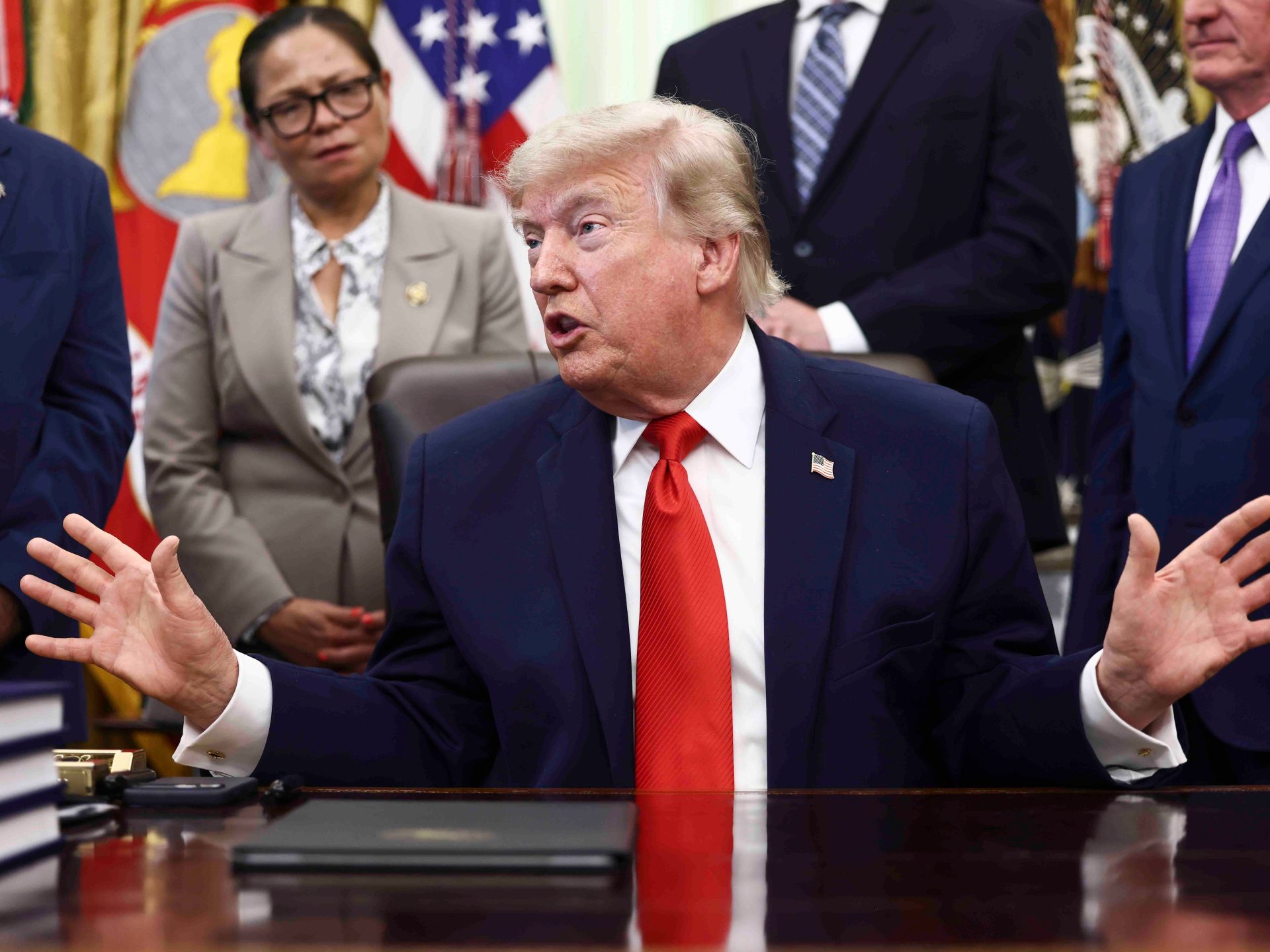
An Israeli air strike on Beirut’s southern suburbs killed at least three people and drew a rare public rebuke from President Donald Trump, who said the attack threatened a US-Iran deal he described as close to ending the war.
The strike hit Dahieh, the Beirut area where the Iran-backed armed group Hezbollah is based. Lebanese authorities said at least 15 others were injured. Israel said it targeted what it described as a Hezbollah command centre after the group fired “aerial targets” or projectiles toward northern Israel.
Trump said the attack “should not have happened, particularly on a special day when we are so close to a Peace Deal with Iran”.
“We are very close to a Deal that will bring peace to the region, including to Lebanon, and all sides should stand down,” he wrote on Truth Social. “There should be no more attacks by Israel anywhere in Lebanon, but there should also be no more attacks by any other party, including Hezbollah, against Israel.”
“This could be the beginning of a long and beautiful peace — Let’s not blow it!” he added.
Trump said Israel “has the right to defend itself against threats,” but called the Hezbollah attack Israel was responding to “very small and meaningless” and said “nobody was hurt, injured, or killed”. In an interview with Axios, Trump said the signing of the deal was still on track but would be delayed “by a few hours” because of the Israeli strikes. “It is so bad, I couldn’t believe it. An hour before we are supposed to sign the deal,” he said. “I was so pissed off. I let him know. He has no [expletive] judgement. I let him know that.”
Israeli Prime Minister Benjamin Netanyahu said the military launched the strikes in response to Hezbollah firing projectiles toward northern Israel. Israeli officials say their operations in Lebanon are intended to protect communities from Hezbollah rockets and drones.
Iranian officials said Israel’s attack showed Washington could not be trusted to uphold commitments. Iran’s Foreign Ministry said “the responsibility for the dangerous consequences” of Israel’s actions “will lie” with the US and Israel. Mohammad Bagher Ghalibaf, Iran’s top negotiator and parliament speaker, said on X that the US “either lacks the will to fulfil its commitments or the ability to do so”.
“If you lack the will and ability to fulfil your commitments, speaking of continuing the path is not possible,” Ghalibaf said.
Other Iranian officials warned of retaliation. Ebrahim Azizi, head of the Iranian parliament’s national security committee, said a “strong response is coming”. Mohammad Bagher Zolghadr, secretary of Iran’s Supreme National Security Council, said a response is “forthcoming”. Brig Gen Mohammad Jafar Assadi also warned that the attack would not go “unanswered”.
Trump said Saturday that a deal with Iran was “scheduled” to be signed Sunday. Al Jazeera reported that top mediator Pakistan indicated the signing would be digital, while Iranian Foreign Ministry spokesperson Esmaeil Baghaei said Saturday that the signing could take days. Both sides have indicated that an initial memorandum of understanding to end fighting on all fronts, including in Lebanon, is closer than ever.
No official terms have been released. Al Jazeera reported that both sides have indicated the Strait of Hormuz would reopen, the US naval blockade would be lifted and fighting would be immediately halted. Questions over Iran’s nuclear programme, frozen Iranian assets and sanctions relief are expected to be addressed over a 60-day period after the initial signing.
Iran has insisted any truce include an end to the war in Lebanon. Israeli officials reject that, saying military operations must continue. The BBC reported that leaked details of the possible agreement have prompted concern in Israel, where one military official described it to Ma’ariv as “very bad” and “catastrophic”, while a defence official told N12 TV that “none of the goals set by Israel have received an immediate response in the agreement”.




Be First to Comment