Key takeaways:
- Trump said a deal could be reached in “two or three days” and that the Strait of Hormuz would open immediately upon signing.
- Israel struck Iranian air defence systems and a petrochemical plant after Iran fired missiles at Israel in response to Israeli strikes on Beirut.
- Iranian and U.S. representatives are exchanging views through Pakistan as an intermediary, Iran’s U.N. ambassador told The Associated Press.
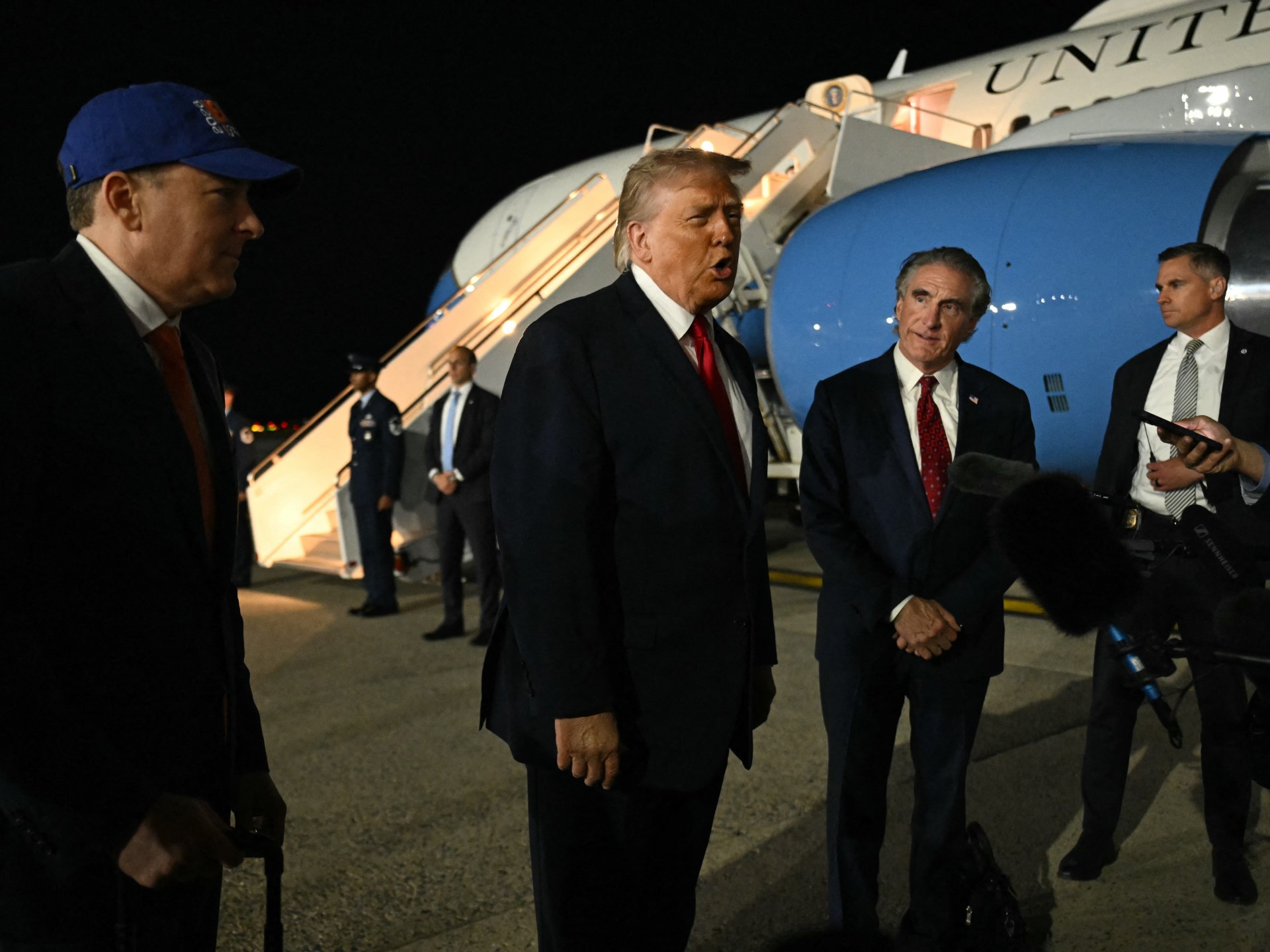
President Donald Trump said the United States is close to a deal involving Israel and Iran after the two countries paused attacks following their most serious escalation since an April ceasefire took effect.
“We’re in the final throes of what will be a very, very good deal,” Trump told reporters, saying an agreement could come in “two or three days.” He said the Strait of Hormuz would open “immediately upon signing” and that Israel and Iran would leave each other alone for at least a week.
The comments came after a weekend flare-up that began when Israel bombed sites in Iran for the first time since the April ceasefire. Iran had fired missiles at Israel, saying it was retaliating for Israeli strikes on Lebanon’s capital, Beirut. Israel then struck Iranian air defence systems and a petrochemical plant, while Iran hit a similar facility in Haifa and targeted two Israeli airbases, Al Jazeera reported. Many of the missiles were intercepted over the occupied West Bank, and no deaths were reported on either side.
Trump said he had urged Israeli Prime Minister Benjamin Netanyahu not to continue the fight. “I said, ‘Bibi, you better be careful, or you will be on your own very soon’,” Trump told Axios. On Truth Social, he demanded both sides stop “shooting” and said “final negotiations” toward peace would proceed “subject to ignorance or stupidity getting in its way.”
The BBC reported that Trump told journalists after Iran’s missile attack that he was “going to call [Netanyahu] right now and tell him not to retaliate.” Hours later, Israel attacked Iran. Trump later told the BBC that Israeli planes were “already on their way” when he spoke with Netanyahu and denied that Netanyahu had defied him. “If I tell him to do something, he does it,” Trump said.
Netanyahu said Israel had acted within its rights. “Israel has a full right to self-defence, and we are exercising it as required,” he said in a televised statement. “Right now, the fire at the front is contained, because after we hit the terrorist regime in Tehran, it stopped attacking us.” He warned that if Iran resumed attacks, Israel would “respond with full force.”
Israel’s ambassador to Washington, Yechiel Leiter, downplayed reports of strain between Trump and Netanyahu, telling Fox News that “sometimes, lovers have a spat.” He said Netanyahu had decided to “lower the temperature” at Trump’s request but that Trump understands Israel cannot “absorb ballistic missiles into our country without responding.”
Iran blamed Washington for the escalation. “The US is directly responsible,” Foreign Ministry spokesperson Esmaeil Baghaei said, citing the ceasefire negotiations and warning that violations, including vessel interceptions in the Strait of Hormuz or Israeli attacks in southern Lebanon, would make the United States responsible for regional escalation.
Iranian President Masoud Pezeshkian said Tehran remained at “the negotiating table,” and Iran’s ambassador to the United Nations, Amir Saeid Iravani, told The Associated Press that Washington and Tehran were “presenting and exchanging views” through Pakistan as an intermediary. Pakistan’s Prime Minister Shehbaz Sharif said diplomacy was continuing “earnestly and painstakingly” and urged restraint, saying the latest exchange showed the dangers of a tenuous ceasefire.
The BBC reported that, despite Trump’s public optimism, his desired nuclear deal may not be imminent because Tehran appears to be seeking more from Washington, including sanctions relief and the unfreezing of tens of billions of dollars in oil revenues. Trump said Sunday he would not unfreeze Iranian assets or lift sanctions upfront as part of a deal.
The wider conflict continued to draw in other fronts. Yemen’s Houthi rebels fired missiles at Israel and declared a complete ban on Israeli maritime navigation in the Red Sea. In Lebanon, the Health Ministry said Israeli strikes killed five people in Tyre, seven in the Nabatieh district and two in Marwanieh.



Be First to Comment