
Prime Minister Abiy Ahmed’s Prosperity Party won 438 of 501 contested seats, securing another term in power. The election was overshadowed by insecurity, Tigray’s exclusion from voting and warnings of renewed conflict.
Posts tagged as “the Red Sea”
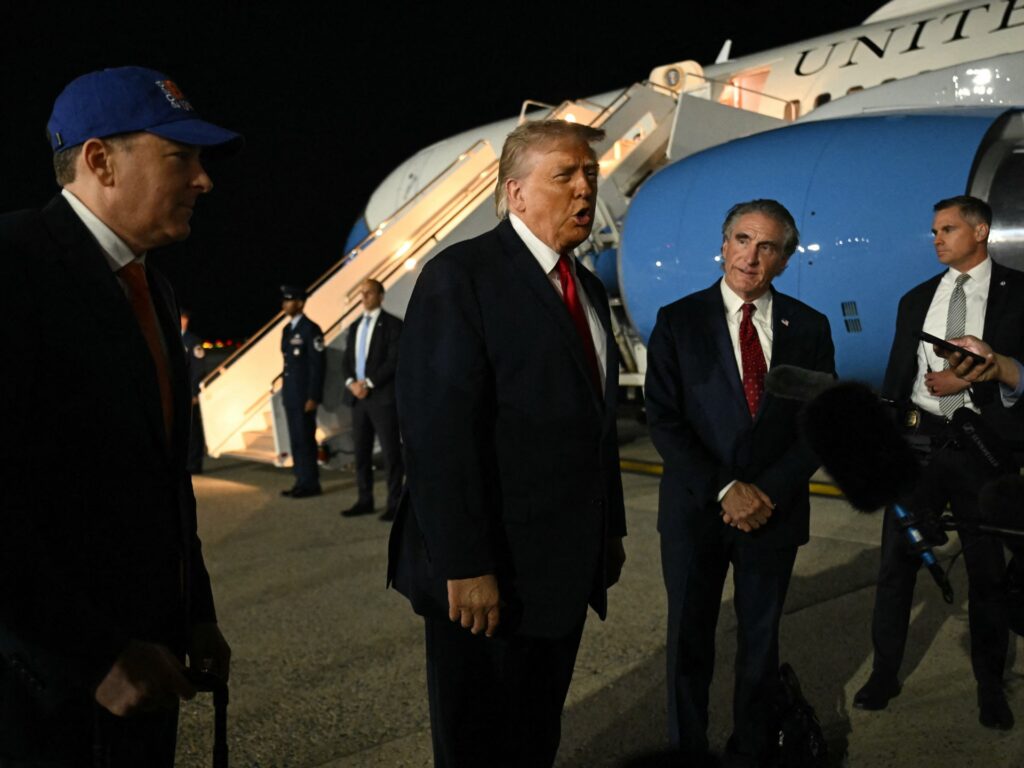
Trump said the United States is close to a deal involving Israel and Iran that would reopen the Strait of Hormuz, even as new exchanges of fire underscored the fragility of ceasefires across the region. Israel and Iran paused attacks after strikes on Iranian and Israeli facilities caused no reported deaths on either side.
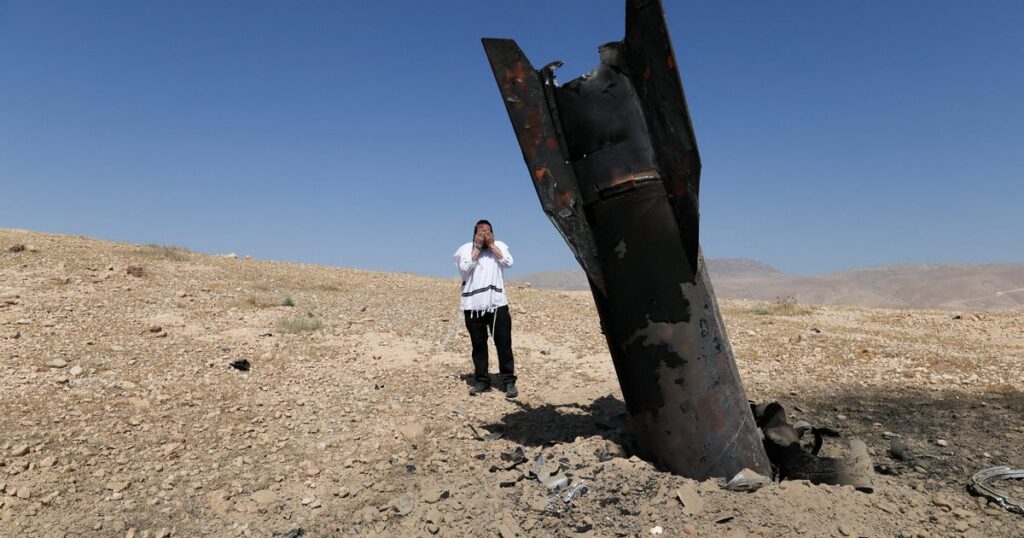
Iran and Israel said they halted attacks after President Trump urged both sides to stop firing amid a fragile truce. Both governments warned they would respond forcefully if the other side resumed strikes.
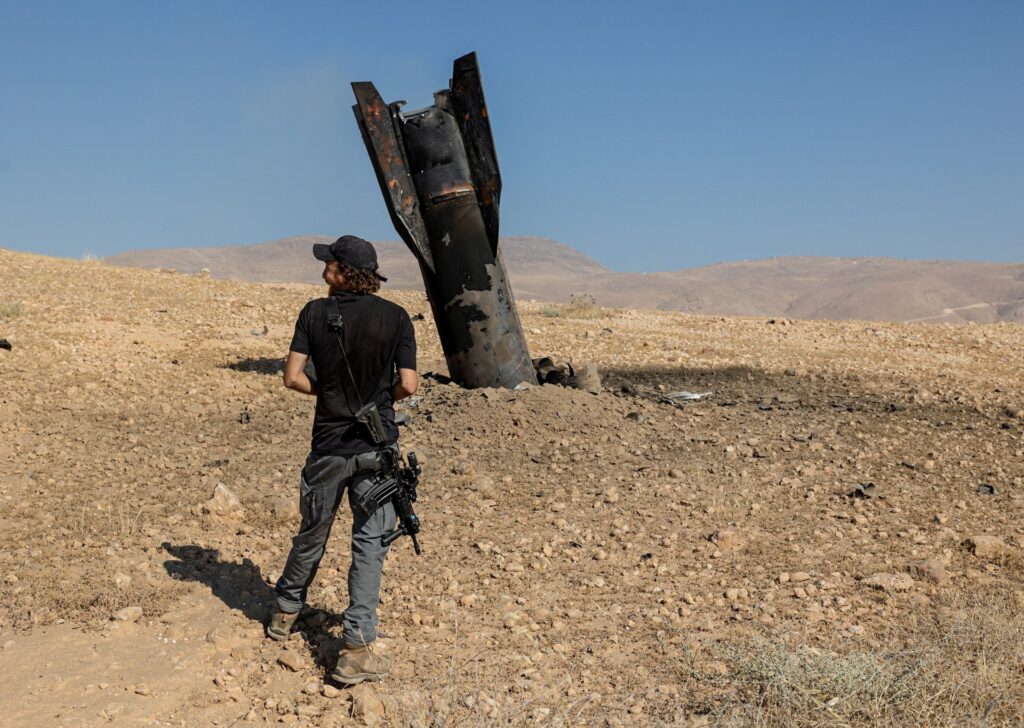
Israel and Iran exchanged strikes early Monday in the most serious crossfire since an April ceasefire, while Yemen’s Houthis fired toward Israel and renewed threats against Red Sea shipping. U.S. President Donald Trump reportedly urged Benjamin Netanyahu not to retaliate immediately.

Iran warns Israeli attacks in Lebanon and Gaza threaten the US ceasefire, risking the fragile peace agreement amid escalating regional tensions. Tehran has suspended indirect talks and threatened to open new fronts if hostilities continue.
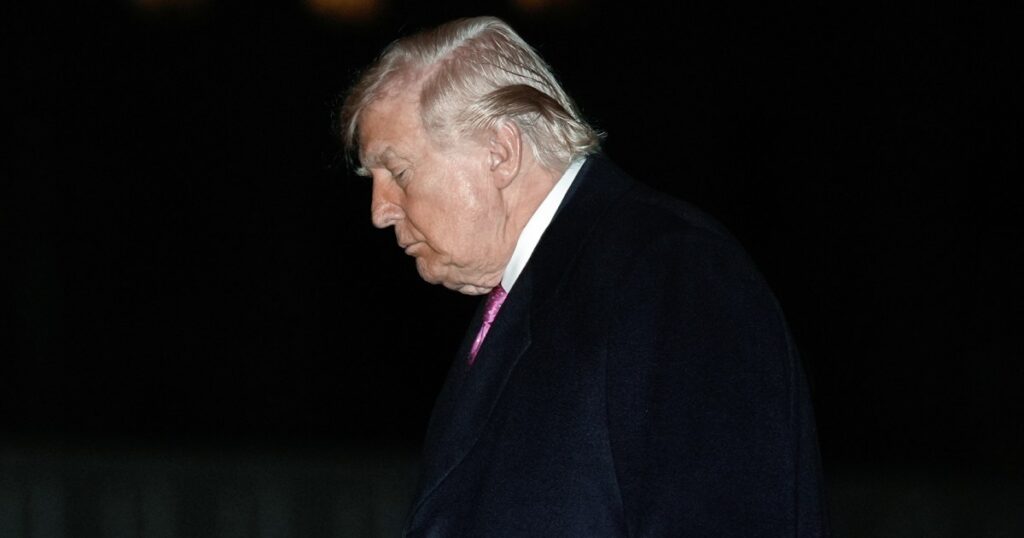
Rising tensions between the United States, Israel, and Iran have led to attacks on critical infrastructure, including a water desalination plant on Qeshm Island and an Iranian drone strike on a Kuwaiti oil tanker, causing regional instability and driving up global energy prices. Israeli Prime Minister Netanyahu claimed significant military progress against Iran and proposed alternative energy routes to bypass Iranian-controlled waterways, while the U.S. considers further military options to secure the Strait of Hormuz. Despite ongoing behind-the-scenes diplomatic efforts, direct negotiations remain stalled as both sides maintain firm demands, prolonging the conflict and uncertainty in the region.

The conflict between the United States and Iran has drastically reduced shipping traffic through the Strait of Hormuz by up to 95%, causing a sharp rise in oil prices and marine insurance premiums due to heightened risks of missile and drone attacks. Efforts to protect commercial vessels, including potential U.S. military escorts and expanded insurance programs, face delays and are unlikely to restore normal shipping until a ceasefire or de-escalation occurs. Meanwhile, the involvement of Iran-backed Houthi militants in missile attacks against Israel threatens further disruptions in the Red Sea and Bab el-Mandeb Strait, escalating the conflict into a broader regional crisis with significant impacts on global energy supply and maritime commerce.