Press "Enter" to skip to content

Posts tagged as “the Strait of Hormuz”
Global Oil Prices Soar as Middle East Conflict Escalates

Global oil prices surged to new highs as escalating conflict between the United States, Israel, and Iran intensified missile and drone attacks across the Middle East, raising concerns about prolonged regional instability. Iran and its allied forces targeted Israeli infrastructure and U.S. military assets, while diplomatic efforts for resolution remain stalled amid threats of severe retaliation. The conflict has disrupted global energy markets, particularly impacting Asian oil supplies and driving U.S. gasoline prices to their highest levels since mid-2022, with experts warning of further price spikes and inflationary risks.

Over 1,100 Afghan Allies Face Uncertain Future as U.S. Closes Camp As Sayliyah Deadline Looms

More than 1,100 Afghan refugees who supported the U.S. remain stranded at Camp As Sayliyah in Qatar, facing a March 31 deadline to relocate to an unspecified third country or return to Taliban-controlled Afghanistan, despite risks of persecution. Advocacy groups criticize the Trump administration’s handling of the situation, calling the camp a “prison camp” and expressing concerns about the refugees’ uncertain futures, while the State Department defends the closure as necessary and humane. Meanwhile, escalating tensions in the Middle East, particularly involving Iran’s unyielding stance and militia activities, complicate regional security and diplomatic efforts, highlighting the broader challenges affecting both refugees and U.S. foreign policy.

Over 3,500 U.S. Troops Deploy to Middle East as Iran Conflict Escalates

More than 3,500 U.S. troops, including approximately 2,500 Marines aboard the USS Tripoli, have been deployed to the Middle East amid escalating tensions with Iran following recent missile and drone attacks on Saudi Arabia that injured U.S. personnel. The conflict has disrupted global oil exports and shipping routes, with Iranian-backed Houthi rebels also entering the fray, raising concerns over maritime security. Despite rising hostilities and military preparations, diplomatic efforts continue, with the U.S. proposing a peace plan that Iran has rejected, while both sides maintain readiness for further confrontation.

Strait of Hormuz Shipping Plummets 95% as US-Iran Conflict Sends Oil Prices Soaring

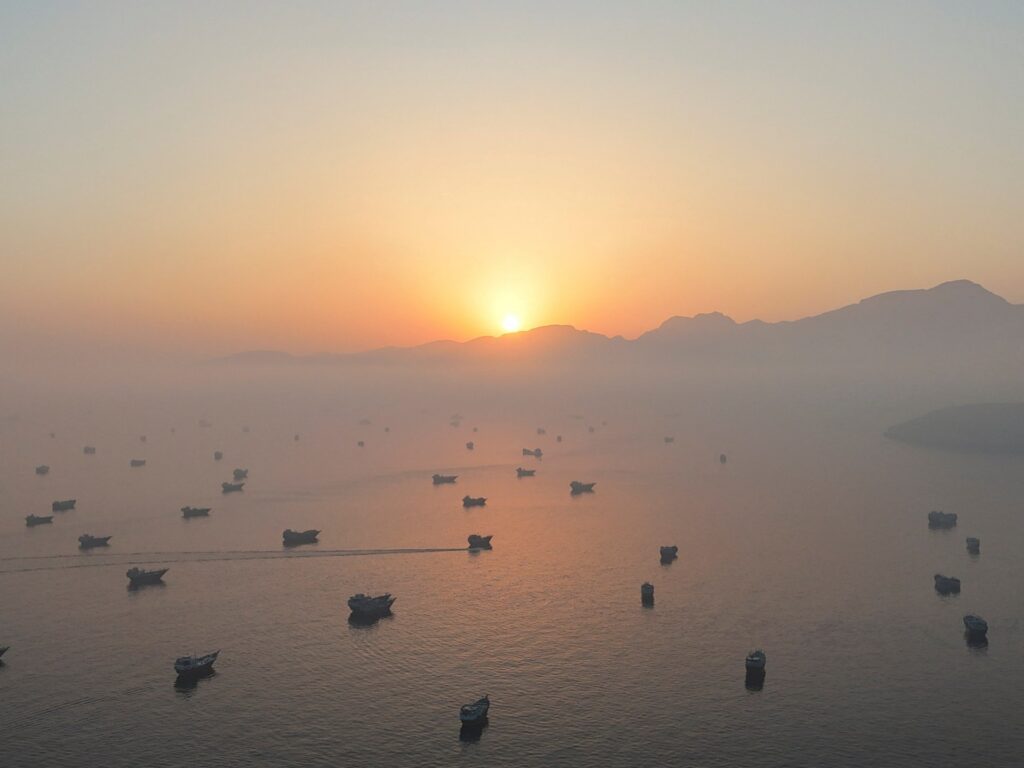
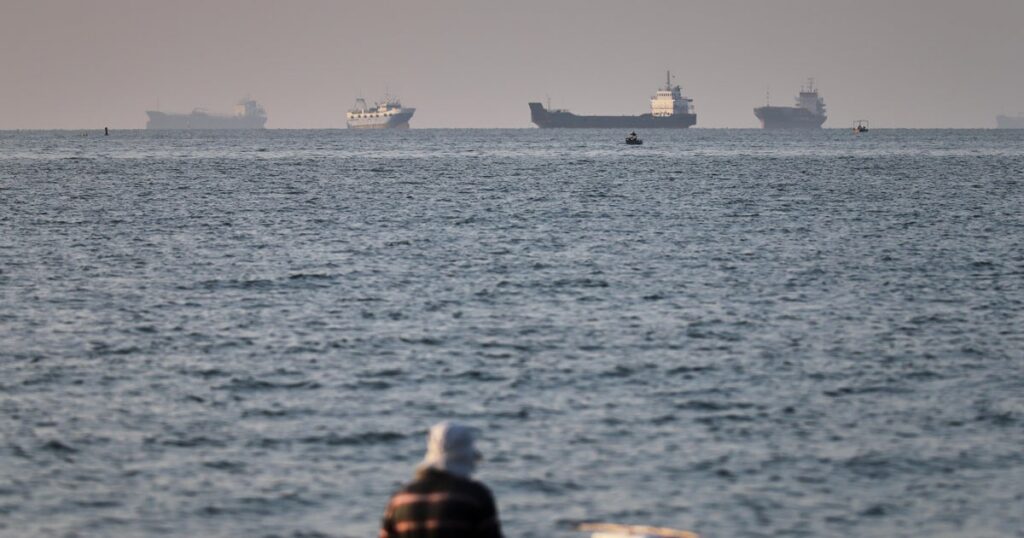
The conflict between the United States and Iran has drastically reduced shipping traffic through the Strait of Hormuz by up to 95%, causing a sharp rise in oil prices and marine insurance premiums due to heightened risks of missile and drone attacks. Efforts to protect commercial vessels, including potential U.S. military escorts and expanded insurance programs, face delays and are unlikely to restore normal shipping until a ceasefire or de-escalation occurs. Meanwhile, the involvement of Iran-backed Houthi militants in missile attacks against Israel threatens further disruptions in the Red Sea and Bab el-Mandeb Strait, escalating the conflict into a broader regional crisis with significant impacts on global energy supply and maritime commerce.

US Fires 850+ Tomahawk Missiles in Iran Conflict, Outpacing Annual Production Ninefold

The United States has deployed over 850 Tomahawk cruise missiles in its conflict with Iran, using them at a rate far exceeding annual procurement levels, with current production unable to meet wartime demand. Iran continues daily missile and drone attacks against Gulf neighbors and Israel, causing significant damage to military and energy infrastructure despite high interception rates by regional air defenses. The ongoing hostilities have led to casualties, economic losses, and disruptions to strategic locations like the Strait of Hormuz, posing challenges to regional stability and global energy markets.

Iran Shuts Strait of Hormuz, Halts 20% of Global Oil Flow, Sparking Crisis

Iran’s Revolutionary Guard Corps has declared the Strait of Hormuz closed to unauthorized ships, significantly disrupting a key maritime route that handles about 20% of the world’s crude oil and causing Brent crude prices to surge above $110 per barrel. Iran has enforced this closure by turning back vessels, imposing hefty fees near Larak Island, and is considering formal legislation for these charges, while also hinting at threats to the Bab el-Mandeb Strait, another critical shipping lane. The closure and ongoing conflict have stranded around 20,000 seafarers in the region, led to casualties, and prompted calls from the UAE for a multinational force to secure the strait and stabilize global energy markets.

Iran Rejects U.S. Claims, Tightens Strait of Hormuz Blockade as Hard-Liners Consolidate Power

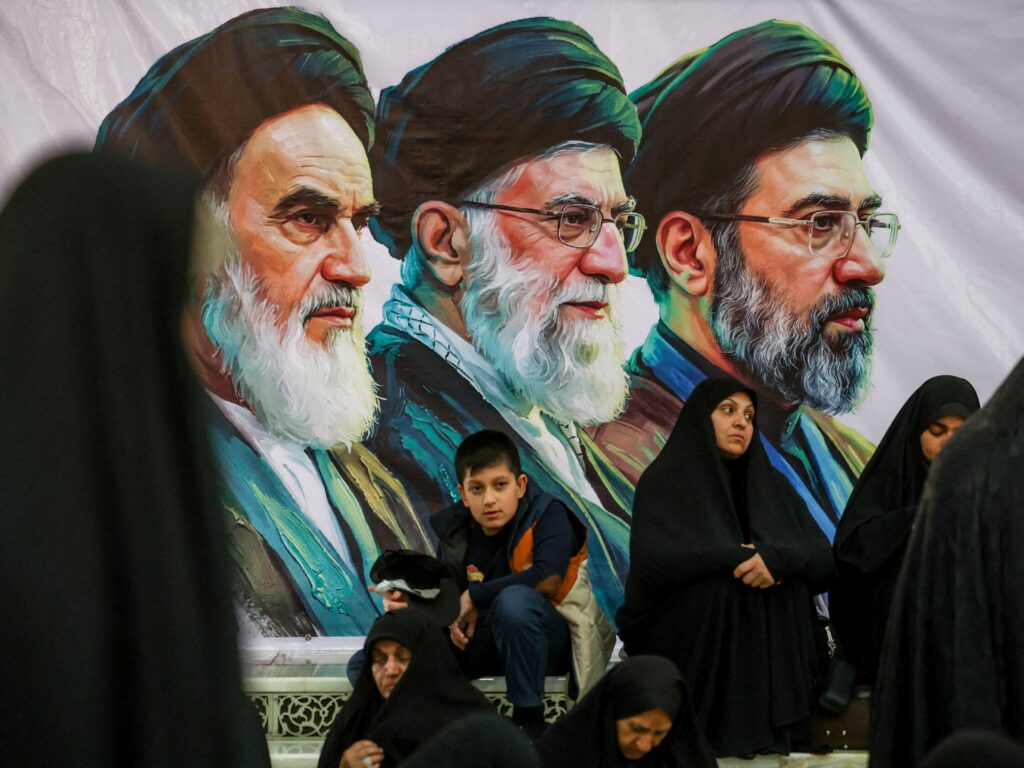
Tensions in the Strait of Hormuz remain high as Iran rejects U.S. claims of progress in negotiations and continues to enforce a blockade, turning back commercial ships and imposing hefty transit fees that violate international law. The situation has drawn condemnation from Gulf neighbors and global markets have reacted negatively, with rising oil prices and falling stock markets amid uncertainty. Internally, Iran’s leadership has shifted toward a hard-line, military-dominated faction led by figures like Mohammad Bagher Ghalibaf and Ahmad Vahidi, signaling a tough stance in any potential talks with the U.S.

Iran’s Strait of Hormuz Blockade Sparks Global Oil Crisis and Calls for U.S. Energy Cuts

The conflict involving Iran has severely disrupted global oil supplies by blocking the Strait of Hormuz, a vital route for about 20% of the world’s oil shipments, with vessel traffic dropping drastically and Iran imposing tolls on passage. The International Energy Agency recommends reducing oil demand through measures like remote work and increased public transit use, but experts note challenges in changing American driving habits due to limited transit options and the cost of electric vehicles. Meanwhile, ongoing tensions have led to attacks on shipping vessels, and Iran insists on sovereignty over the strait as a condition for ending the conflict, signaling a long-term assertion of control.

We've updated the design to something a little more modern.  Got an opinion?  Let us know!