Key takeaways:
- Paris imposed restrictions on public alcohol consumption and takeaway alcohol sales to ease pressure on hospitals during the heatwave.
- French officials reported rising hospital strain, a fourfold increase in cardiac arrests handled by Paris ambulances over 24 hours, and at least 55 drownings nationwide in recent days.
- A World Weather Attribution study found the June heatwave would have been “virtually impossible” 50 years ago without human-caused climate change.
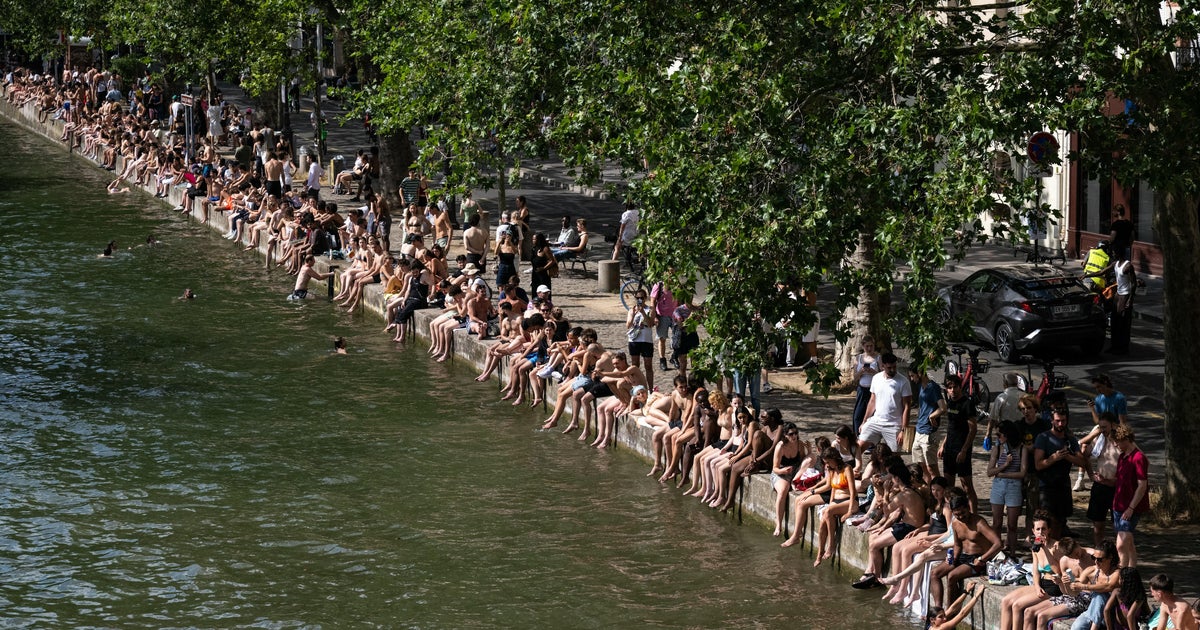
Paris is restricting alcohol sales and public drinking as a severe heatwave pushes hospitals toward capacity and sends record temperatures across Europe.
French authorities said public alcohol consumption in the capital would be limited beginning Friday, with licensed bars and restaurants exempt. The measures are intended to reduce pressure on medical workers and emergency services as more people seek treatment for heat-related illness.
Paris police chief Patrice Faure told local media: “We are reaching a saturation point in hospital facilities.” He added, according to CBS News, that hospitalizations were continuing to rise and that he had to ensure “the pressure decreases.”
The timing of the restrictions was reported differently. CBS News reported that public drinking would be banned from noon Friday until the heatwave alert is lifted, except in outdoor seating areas at bars and restaurants, and that takeaway alcohol sales would also be prohibited during the ban. The BBC reported that public drinking would be restricted from noon Friday until 7 a.m. Saturday, and again during the same hours from Saturday to Sunday, while takeaway alcohol sales would be banned from 6 p.m. to 7 a.m. on both nights.
French Prime Minister Sébastien Lecornu said the country’s Orsan health emergency plan was moving to level three, its highest alert, to increase hospital staffing and protect vulnerable people. Health Minister Stéphanie Rist warned that the danger was not limited to older people. “Young people are also suffering from cardiac arrests,” she said, adding that the Paris ambulance service had recorded four times more cardiac arrests than normal over a 24-hour period. She said there were no confirmed figures for deaths linked to the heatwave.
Paris Mayor Emmanuel Grégoire said the mortality rate was rising in the capital and urged residents to scale back physical activity. “We must not believe we are invulnerable,” he told French TV. “I am thinking especially about the youth… At about 19:30 last night… I saw 100 or so joggers on the street. Frankly, that’s irresponsible.”
At least 55 people have drowned across France in recent days while seeking relief from the heat in ponds, lakes and rivers, Sports Minister Marina Ferrari told franceinfo. “Yesterday evening we were at 55, but we fear that the situation may worsen,” she said.
France has recorded repeated temperature records this week. Météo-France said the average minimum temperature reached 22C on Wednesday night, while Nantes recorded 27.2C. Rennes hit 40.6C on Monday and 41C the next day, breaking a record set in 2022. In the Rennes region, the head of an accident and emergency department, Professor Louis Soulas, linked the deaths of five or six people in their homes to the extreme temperatures and said intensive care units were “saturated.”
The heat has also disrupted daily life. French teachers’ unions called for a strike over “unacceptable working conditions,” three nuclear plants went offline because of the heat, and the first day of the Garorock festival was canceled as storms and gusts up to 110 kph were forecast on the Atlantic coast.
Across Europe, the heatwave has begun shifting east. Germany could reach 40C, and the Czech Republic has issued extreme warnings. The Netherlands issued a red alert for heat for the first time, with temperatures expected to exceed 100F, while Luxembourg recorded its highest June temperature, 38.3C. Spain’s monitoring system counted 213 fatalities between Sunday and Wednesday that could be linked to heat, including 95 on Wednesday.
Scientists and climate officials linked the event to human-caused climate change. A World Weather Attribution study published Friday found the June heat would have been “virtually impossible” 50 years ago and said similar heatwaves are now 10 times more likely than in 2003. Lead author Theodore Keeping wrote: “This event would not have been possible in June without climate change.”











Be First to Comment