Key takeaways:
- France’s national temperature indicator reached 29.8C on Tuesday, the country’s hottest June day since records began in 1947.
- About 68,000 households in France’s Finistère region lost power after a heat-related transformer problem, with full restoration not expected before late Wednesday.
- Heat alerts are expanding across Europe, including red alerts in 16 Italian cities and severe warnings expected in Poland, Croatia and Hungary.
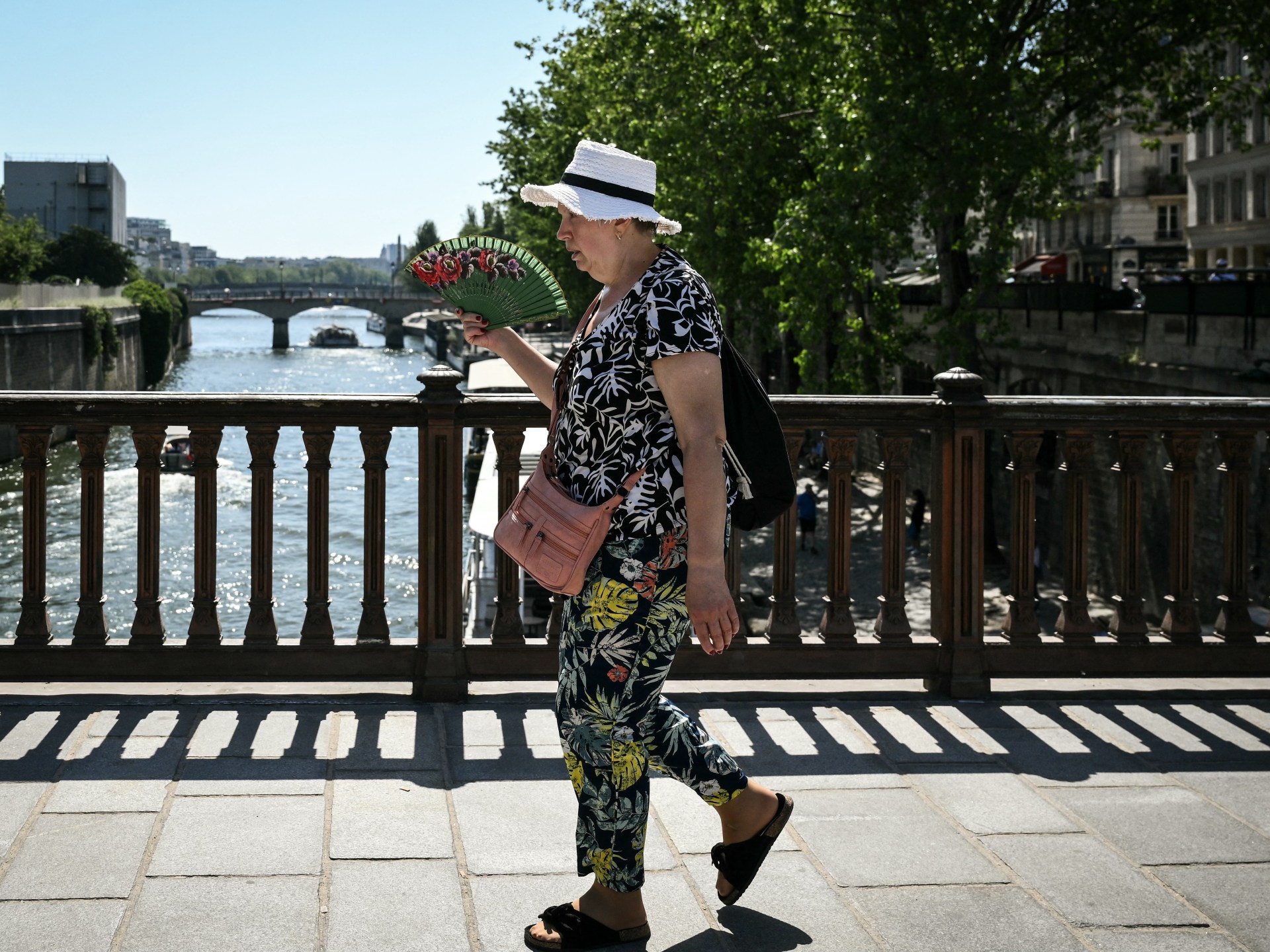
France faced another day of dangerous heat Wednesday after recording its hottest June day on record, as a widening European heatwave knocked out power to tens of thousands of homes, closed schools in the United Kingdom and triggered health alerts across the continent.
France’s national temperature indicator, an average of daytime and nighttime temperatures across 30 stations, reached 29.8C on Tuesday, the highest June reading since measurements began in 1947. Temperatures peaked at 44.3C in parts of Landes in the southwest, and forecasters warned that La Rochelle could reach 43C on Wednesday after already recording 29C at 05:00 local time.
Météo France extended red heat alerts to four more regions Wednesday, bringing the total to 58, with another 31 regions under orange alert. Highs of 39C to 40C were forecast across much of western France, from Paris to Brittany, with similar conditions expected until the weekend.
France’s prime minister said 40 people had drowned in heatwave-related incidents in the country since last Thursday. Among them was a 13-year-old girl who had gone into the River Seine at Fontaine-La-Port with her family on Sunday evening, though she did not know how to swim, the BBC reported. Several drownings have also been reported in Germany.
The heat also caused France’s first major power outage of this latest extreme weather spell. Authorities said about 68,000 households in the northwestern Finistère region were left without electricity after a heat-related problem with a transformer late Tuesday. Al Jazeera reported that up to 106,000 clients of the French power network had been without power by late Tuesday as high temperatures strained infrastructure. Crews worked overnight, but full restoration was not expected before the end of Wednesday at the earliest.
More than 150 firefighters were deployed Tuesday to battle a major blaze in the Breignon forest in Saint-Macaire-du-Bois, in the Maine-et-Loire region. Authorities said the fire was brought under control overnight.
Paris landmarks have also adjusted. The Louvre, the world’s most visited museum, said it would close at 16:00 instead of 18:00 from Wednesday to Saturday. The museum said its historic building “remains fragile” and “is not sufficiently adapted to climate change,” adding that heat buildup is highest at the end of the day and worsened by visitor numbers.
Labour Minister Jean-Pierre Farandou told French radio, “we’re in the process of finding out we’ve become a hot country.”
The heatwave is spreading beyond France. Italy’s Ministry of Health declared red heatwave alerts in 16 cities Wednesday, including Milan and Rome, with Latina added Wednesday and Bari due to be added Thursday, according to the Italian news agency Ansa. In Spain, temperatures were expected to begin falling Wednesday, though red alerts remained in parts of the northern Basque country, where highs of 42C were possible.
The Netherlands’ weather service, KNMI, issued a Code Orange alert for central and southern areas from Wednesday until at least Friday, warning of a “high chance of dangerous weather.” Maximum temperatures of 37C were expected, with 39C possible Friday. Belgium placed most of the country under orange alert, with highs of 37C forecast. Belgium’s Risk Management Group activated the “alert phase of the national ozone and heat plan” for only the second time, after August 2020, while calling for extra care for older people and children.
In the UK, hundreds of schools planned to close or dismiss pupils early, and many train services were reduced to avoid heat-related rail problems. The Met Office issued a heat warning for Wednesday and Thursday, with about 37C expected in southern England, up to 35C in southeast Wales and possible highs of 39C in London or southern England before conditions ease Friday.
Eastern Europe is expected to be hit next, with severe heat warnings issued for Poland, Croatia and Hungary later in the week. Germany could see temperatures rise to 40C over the weekend.









Be First to Comment