Key takeaways:
- WHO officials said sequencing indicates the Bundibugyo Ebola outbreak in DR Congo began in February, before its official declaration on May 15.
- DR Congo’s health ministry has reported 4,294 confirmed cases and 1,960 deaths, according to the BBC.
- The outbreak response is hampered by insecurity, misdiagnosis, health worker strikes, misinformation and the absence of an approved vaccine or treatment for Bundibugyo Ebola.
The latest Ebola outbreak in the Democratic Republic of Congo began at least three months before authorities officially declared it, leaving health teams racing to catch up as infections remain high and deaths near 2,000, the World Health Organization has warned.
The outbreak, declared on May 15, is centered in eastern DR Congo and involves the Bundibugyo species of Ebola, a rarer form of the virus for which there is no approved vaccine and no recognized therapeutic treatment. DR Congo’s health ministry has reported 4,294 confirmed cases and 1,960 deaths, according to the BBC. Al Jazeera, citing latest government figures, reported 4,200 confirmed cases and at least 1,900 deaths.
“We are chasing the virus, the virus is ahead of us,” Dr. Mohamed Janabi, the WHO’s regional director for Africa, told a news conference in Bunia, a city at the heart of the outbreak.
Janabi said research and sequencing showed the virus began spreading in February, months before the official declaration. Some early cases were wrongly diagnosed as malaria or typhoid, the WHO said. Al Jazeera reported that early testing focused on the more common type of Ebola, contributing to delays.
The outbreak has become the second-worst Ebola outbreak ever by death toll, behind the 2014-2016 West Africa epidemic, in which 11,325 people died, according to the BBC. Al Jazeera reported that the current outbreak has killed more people at a faster rate than any other, including the West Africa outbreak, which took about eight months to reach 1,000 deaths and ultimately involved more than 11,000 deaths in at least 28,000 cases.
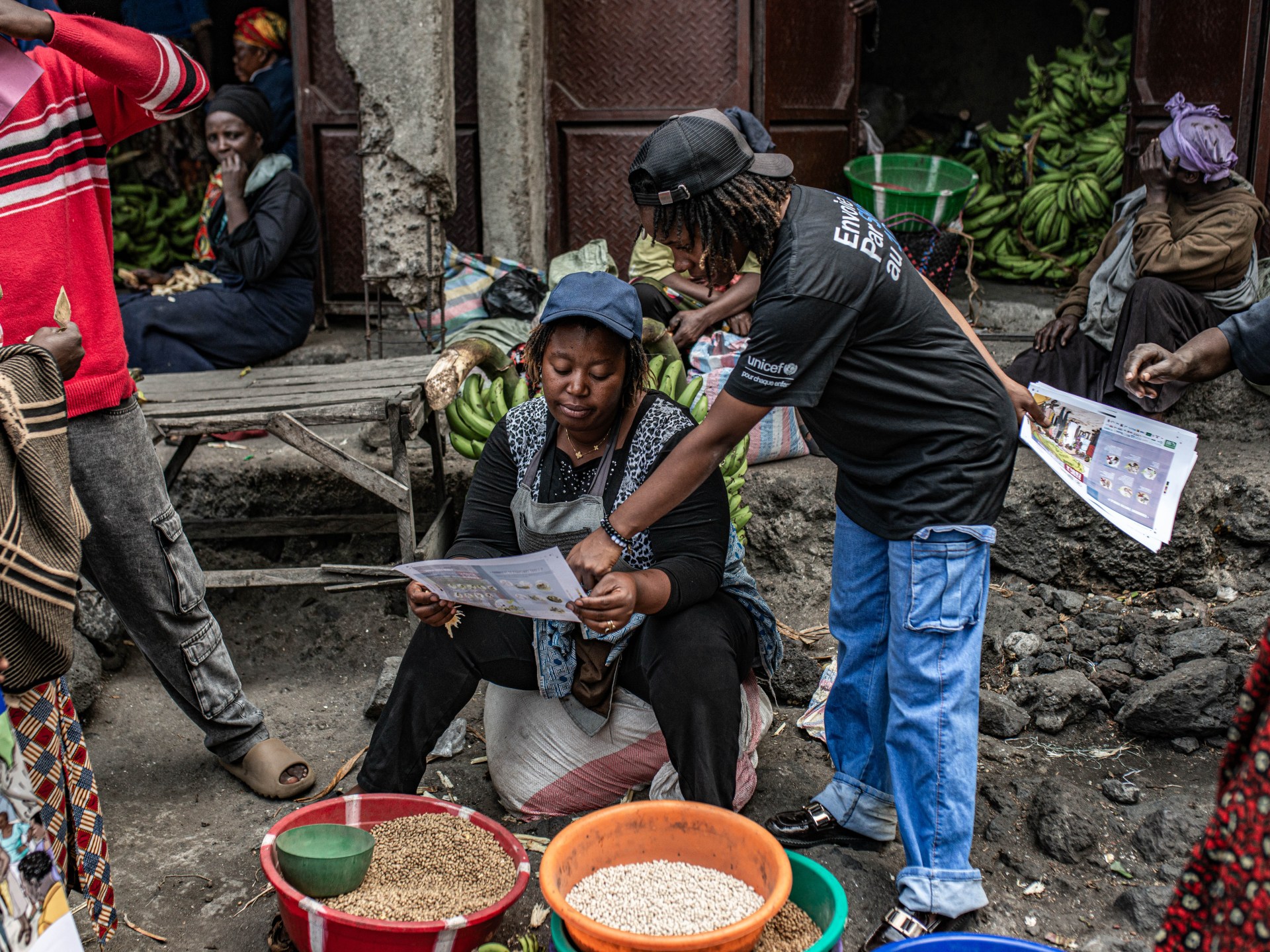
Control efforts have been slowed by insecurity in eastern DR Congo, where threats from rebel groups, remote unpaved roads and years of conflict have made access to healthcare difficult. Janabi said health workers are reaching only about 30% of cases, in part because of insecurity, with the rest dying at home.
Other obstacles include strikes by some unpaid health workers, shortages of protective gear, misinformation that Ebola is not real, anger among communities already affected by long-running trauma, and large numbers of displaced people struggling to find reliable water for handwashing, Al Jazeera reported.
Traditional burial practices have also complicated the response. In some communities, mourners touch the body of the deceased, a practice that can spread Ebola. Suspicion of health authorities has further hindered efforts to isolate cases and limit transmission.
Still, the response has expanded. Several dedicated treatment centers are now operating in eastern DR Congo, and people are being diagnosed more quickly, the BBC reported.
WHO Director-General Tedros Adhanom Ghebreyesus said last week that Ebola is spreading faster than efforts to contain it. New cases are doubling in some hotspots, he said on X after meeting officials in Kinshasa.
On Friday, the WHO recommended the start of full-scale human trials for Ervebo, the only licensed Ebola vaccine. Ervebo is approved for the more common Zaire strain, but WHO experts said early data suggests it may provide some protection against Bundibugyo, Al Jazeera reported. The agency’s experts said a vaccine designed specifically for Bundibugyo would be the preferred tool for the current outbreak. Two possible Bundibugyo vaccines are in early human trials, and a third is being prepared to reach that stage.
Ebola is rare but highly contagious. It can spread through contact with bodily fluids such as blood or semen, and through contaminated materials including bedding and clothing. The disease it causes is severe and often fatal.






Be First to Comment