Key takeaways:
- The DRC has reported 782 confirmed Ebola cases and 181 deaths in an outbreak officially declared on May 15.
- Contact tracing has fallen to about 56 percent across three provinces with active transmission, well below the 95 percent target.
- The outbreak is centered in Ituri province and is caused by the rare Bundibugyo strain, which Al Jazeera reported has no approved vaccine or treatment.
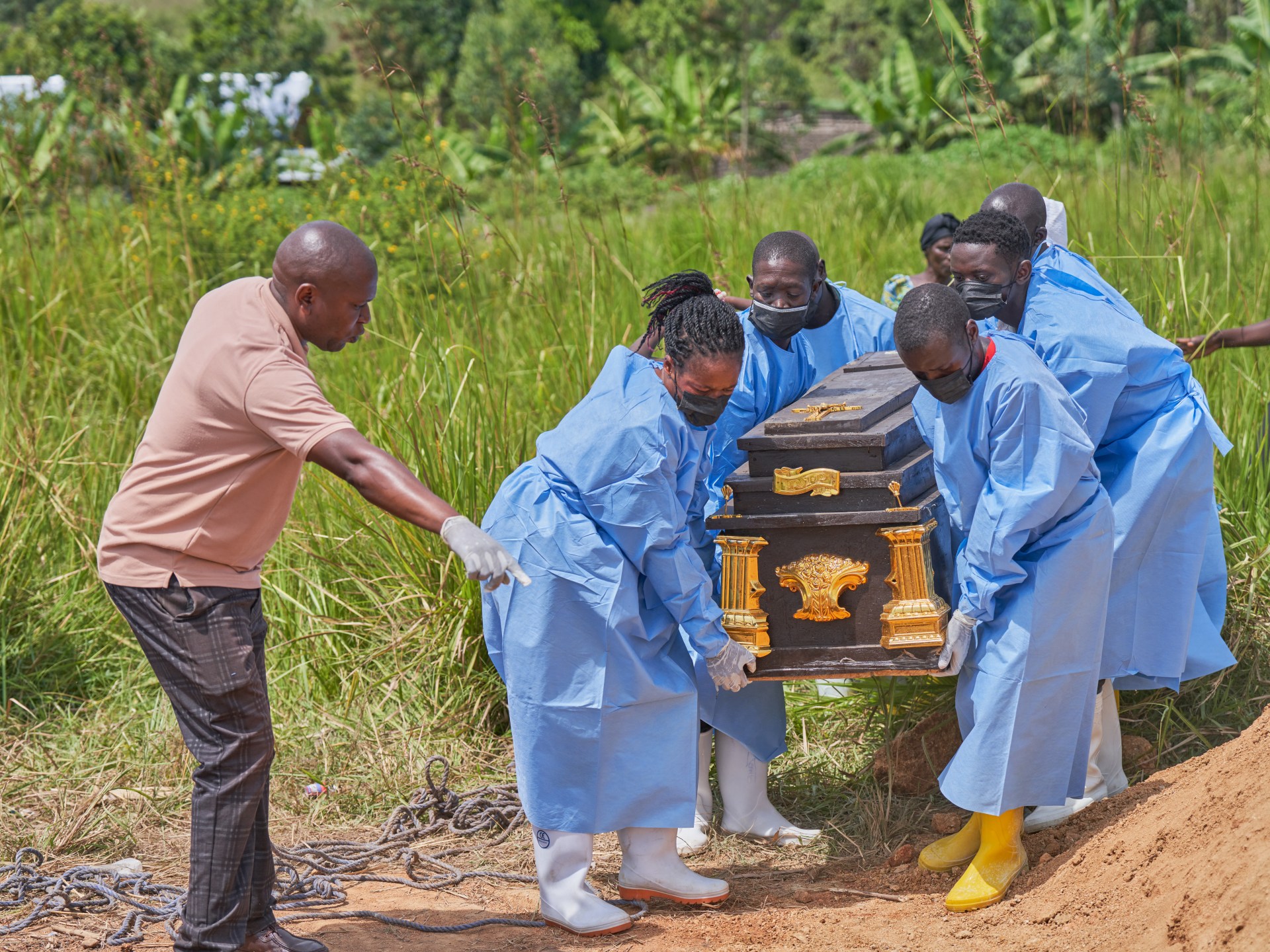
Ebola infections in eastern Democratic Republic of the Congo have climbed to 782 confirmed cases and 181 deaths, as health workers struggle to contain an outbreak spreading through conflict-hit communities, mining areas and densely populated cities.
The Ministry of Public Health reported 72 new cases in 24 hours on Sunday, a record daily increase, Al Jazeera reported. Officials also recorded 32 additional deaths. The outbreak, officially declared by the Congolese government on May 15, is centered in Ituri province, where the virus had likely circulated for weeks before the announcement, with early clusters in the remote mining town of Mongbwalu.
Ituri remains the epicenter, with nearly 95 percent of confirmed cases, according to Al Jazeera. Bunia, the provincial capital and a city of more than 1 million people, has recorded 212 cases, the largest number in a single city, NPR reported. The virus has also reached North Kivu and South Kivu provinces and crossed the border into Uganda, Al Jazeera reported.
The outbreak is caused by the rare Bundibugyo strain, which Al Jazeera reported has no approved vaccine or treatment, unlike the Zaire strain responsible for the DRC’s previous 16 Ebola outbreaks. Officials said the current death rate stands at 22.8 percent, with 40 patients recovering.
In Bunia, signs of the response are visible across the city. Handwashing stations have been set up widely, and public announcements in the central square urge residents not to panic. Community volunteers such as 25-year-old Eliezer Kasongo go door to door to explain the disease. He said he once doubted the outbreak would last.
“We started to see people die in the neighbourhood and we began to understand,” Kasongo told NPR.
He said many residents listen to health advice, but fear remains widespread. “There’s fear,” he said. “People are dying every day.”
Containing the disease has been difficult. NPR reported that a sick man riding a motorbike taxi vomited blood on his driver in central Bunia and died at the scene. Specialist teams later retrieved the body and decontaminated the roadside, while witnesses said the driver fled. The incident highlighted one of the response’s central challenges: finding and monitoring people who may have been exposed.
Only about 56 percent of contacts have been traced across the three Congolese provinces with active transmission, according to the Congolese health ministry. Al Jazeera reported that contact tracing coverage has fallen to 56.5 percent, far below the 95 percent target. Doctors Without Borders, known by its French initials MSF, warned that “no one knows the true scale” of the outbreak because of gaps in surveillance and testing.
Health and aid officials told NPR that official figures likely underestimate the outbreak because of testing delays and deaths in villages and distant suburbs that may go unnoticed.
The response is unfolding in an area strained by poverty, weak health services and decades of armed conflict. More than 85 percent of Congo’s population survives on about $3 a day, according to the World Bank, NPR reported. In Ituri, nearly one million residents have fled overlapping conflicts involving multiple armed groups, including the M23 rebel movement, Al Jazeera reported.
Hospitals are under pressure. At Clinique Universelle in Bunia, a decontamination team scrubbed walls with chlorine after a patient tested positive. The hospital shut down. Its director, Dr. Patient Mazirane, told NPR that staff had been working without personal protective equipment, despite aid groups airlifting hundreds of metric tons of medicines and protective gear to Ituri.
Mazirane said several medical workers had already died and that he wanted to leave medicine because, if he died, no one would care for his children.
“We’re not afraid, we’re very afraid,” he said.
The World Health Organization said it is increasing diagnostic testing and contact surveillance, while MSF reported a $21.5 million funding gap. Jean Kaseya, director general of the Africa Centres for Disease Control and Prevention, called for urgent support.
“We remain committed to supporting affected countries until transmission is stopped,” he said. “We call on partners and donors to urgently mobilise resources to strengthen the response and save lives.”









Be First to Comment