Key takeaways:
- NOAA said July averaged 76.9 degrees Fahrenheit across the contiguous United States, topping previous monthly records set in July 1936 and July 2012.
- More than 185 million people were placed under heat alerts during an early July heat wave, and Salt Lake City hit an all-time high of 109 degrees on July 12.
- As of Aug. 4, 48.5% of the contiguous United States was in drought, while July ranked as the third-driest July on record for U.S. precipitation.
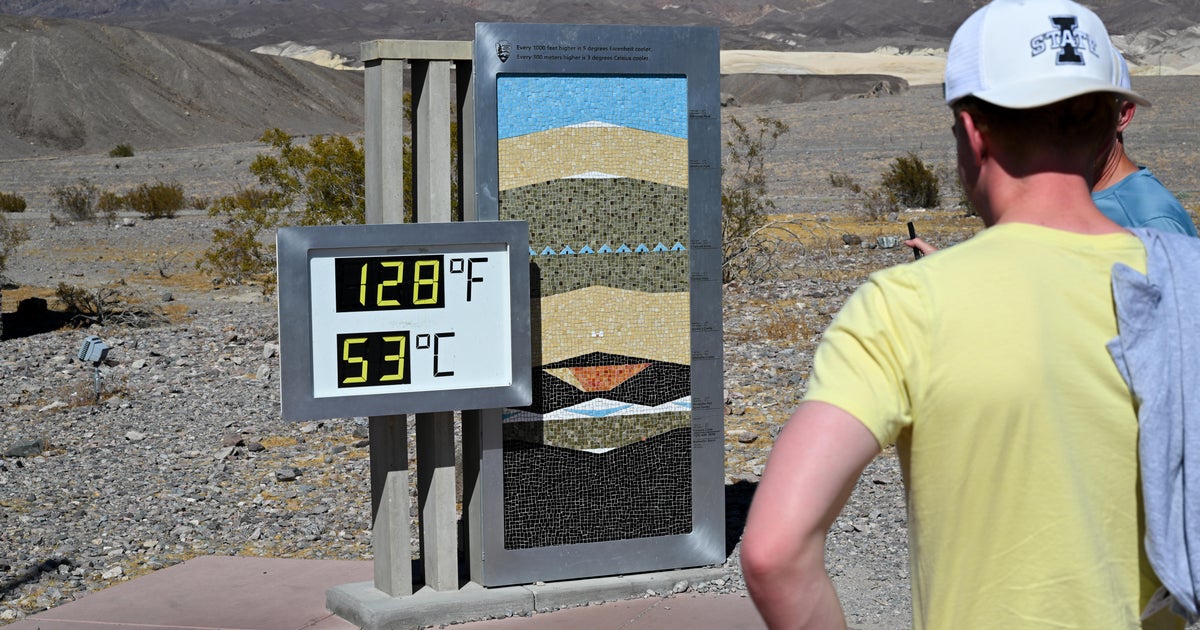
July became the hottest month ever recorded across the contiguous United States, as repeated heat waves and stagnant heat domes pushed temperatures past records that had stood for decades, the National Oceanic and Atmospheric Administration said.
The average temperature for the month reached 76.9 degrees Fahrenheit, NOAA said Monday, making it the hottest July and the hottest month of any kind in records dating to 1895. The monthly average was 3.3 degrees above the 20th-century average for the contiguous United States, which excludes Alaska and Hawaii, The Guardian reported, citing NOAA data.
The new mark narrowly exceeded the previous records set in July 1936, during the Dust Bowl era, and July 2012. NOAA said last month was 0.1 to 0.2 degrees warmer than those earlier Julys. It also set a record for average low temperature, 64.2 degrees, surpassing July 2022 by 0.7 degrees.
NOAA described July as “a wild weather month.” Above-average heat spread across much of the country, and locations in Idaho, Utah, Wyoming and Montana recorded all-time highs in NOAA data going back to 1895. Wyoming had its hottest July on record, with temperatures 5.1 degrees above average, The Guardian reported.
The heat arrived in waves. A heat wave that began in early July placed more than 185 million people under heat alerts, including residents of Boston, New York City, Philadelphia and Washington, D.C. The Independence Day parade in the nation’s capital was among several events canceled or postponed because of extreme heat.
A week later, a heat dome trapped much of the country under persistent warmth and humidity. Salt Lake City reached an all-time high of 109 degrees on July 12, according to the National Weather Service. Forecasters called the prolonged heat “exceptionally rare” for some locations, even in mid-July. NOAA said extreme heat affected much of the West, the Rockies, the upper Midwest, the Gulf Coast and the Southeast, while The Guardian reported that three separate heat dome events occurred during the month.
The heat coincided with heavy rain and major flooding in some areas, including the Texas Hill Country and eastern New York, even as precipitation across the contiguous United States was below average. NOAA said July ranked as the third-driest July on record for U.S. precipitation.
Drought also expanded. As of Aug. 4, about 48.5% of the contiguous United States was in drought, according to the Drought Monitor. In Puerto Rico, more than two-thirds of the island was in drought, and residents of San Juan and nearby communities had begun rationing water.
Dry, warm conditions across much of the interior West, Southwest and Rockies helped fuel wildfires. In eastern Oregon, fires burned more than 140,000 acres in July, NOAA said. Parts of the United States also spent the month under wildfire smoke from large blazes in Canada and the Pacific Northwest, The Guardian reported.
Globally, July was the joint second-warmest July on record, according to the World Meteorological Organization. The agency warned that above-normal temperatures are expected over the next three months as El Niño is likely to push global temperatures toward record highs.
“El Niño is one of the most closely monitored climate phenomena in the world. But forecasts in themselves do not prevent hazards, people do,” WMO Secretary-General Celeste Saulo said last month. “This El Niño developing against the backdrop of unprecedented ocean heat and rising temperatures, provides governments and communities with a window of opportunity to anticipate risks and act before impacts unfold.”












Be First to Comment